inquiry
Leave Your Message

2026 Top Polyester Cloth Fabric Trends What You Need to Know?

As we approach 2026, the world of fashion is evolving rapidly. One of the key materials shaping this landscape is Polyester Cloth Fabric. Known for its versatility and durability, polyester is becoming a staple in various designs. It meets the needs of both consumers and designers alike.

Polyester Cloth Fabric is not just about trends; it also raises questions. Is it sustainable? How does it affect the environment? Many consumers are seeking answers. They want fashionable choices that also care for the planet. Despite its popularity, there are concerns about its lifecycle and recyclability.

In this evolving market, we witness an exciting fusion of styles. From vibrant colors to innovative textures, polyester is redefining the fabric game. However, we must reflect on its impact and seek improvements. This exploration into 2026 trends will open our eyes to the potential and pitfalls of Polyester Cloth Fabric.

2026 Top Polyester Cloth Fabric Trends What You Need to Know?

2026 Polyester Cloth Fabric Market Overview and Forecast Analysis

The polyester cloth fabric market is evolving rapidly as we move toward 2026. The demand for versatile and durable fabrics continues to increase. Sustainable practices are becoming essential. Many manufacturers explore eco-friendly options, but not all succeed. There's a gap between intention and execution.

Forecasts indicate that lightweight and breathable materials will be in high demand. These features are crucial for athleisure and outdoor apparel. However, some fabrics might compromise on comfort or performance. Brands need to focus on improving quality while keeping costs reasonable. This balance can be challenging but necessary.

Consumer awareness is also rising. Shoppers want transparency regarding fabric production and sourcing. Not every company is prepared for this shift. Many still rely on traditional methods that may not meet evolving standards. The challenge lies in continuous innovation while addressing ethical concerns.

Sustainability Trends in Polyester Fabric Production for 2026

The landscape of polyester fabric production is evolving, largely driven by sustainability trends. By 2026, over 60% of polyester fabrics are expected to be produced from recycled materials. This significant shift highlights a growing industry commitment to reducing waste. Globally, the recycling rate for polyester is projected to rise, with estimates suggesting an increase from 14% in 2020 to 30% by 2026.

Moreover, eco-friendly production processes are gaining traction. Reports indicate that innovations in dyeing and finishing methods can reduce water consumption by up to 90%. These advances are crucial as the fashion industry grapples with its environmental impact. Brands are increasingly pressured to reflect eco-conscious values in their production lines. Yet, some manufacturers struggle to keep pace with these changes, suggesting a gap between good intentions and practical execution.

As the demand for sustainable textiles grows, transparency remains a challenge. Many companies still lack clear reporting on their practices. Consumers are becoming more aware and critical. They want to know the true story behind their fabrics. This trend towards informed purchasing could hold the key to a more sustainable future in polyester fabric production.

Innovations in Polyester Fabric Technology Transforming the Industry

Innovations in polyester fabric technology are rapidly changing the industry landscape. New manufacturing techniques enhance durability and flexibility. These advancements allow for more sustainable practices. Companies now use recycled polyester, reducing waste and promoting eco-friendliness. This shift is crucial as consumers increasingly seek sustainable options in their choices.

The latest innovations also include moisture-wicking properties. This feature is especially useful for athletic wear. Fabrics not only repel water but also dry quickly. However, with these improvements come challenges. The balance between durability and comfort is often hard to achieve. Additionally, new technologies can sometimes lead to increased costs, which may deter small manufacturers.

As the industry evolves, staying updated is vital. Not all new fabrics will meet users' expectations. Some may not perform as advertised. It’s important for designers and consumers to scrutinize these innovations. This ongoing dialogue between technology and fashion will shape the future of polyester fabrics.

2026 Top Polyester Cloth Fabric Trends

Trend Description Innovative Features Sustainability Aspect
Recycled Polyester Fabric made from recycled plastic bottles, reducing waste. High durability and moisture-wicking properties. Promotes circular economy in fashion.
Moisture Management New technology improves moisture control in garments. Enhanced breathability and comfort for active wear. Reduces the frequency of washing, saving water.
Antimicrobial Fabric Polyester fabric treated to resist bacteria and odors. Long-lasting freshness and hygiene. Minimizes the need for frequent washing.
UV Protection Polyester fabrics engineered to block harmful UV rays. Ideal for outdoor clothing and sun protection. Promotes health-conscious choices in apparel.
Smart Fabrics Integration of technology into fabric for improved functionality. Temperature regulation and fitness tracking features. Utilizes innovative materials with minimal environmental impact.

Consumer Preferences Driving Polyester Fabric Design Trends in 2026

2026 Top Polyester Cloth Fabric Trends What You Need to Know?

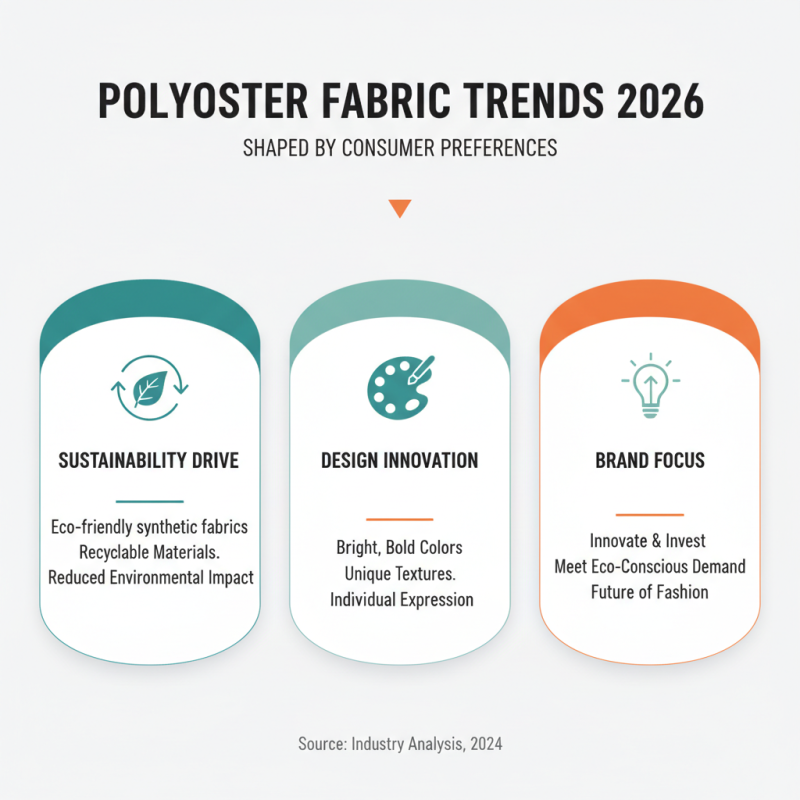
As we approach 2026, consumer preferences will shape polyester fabric design trends significantly. People are becoming more conscious of sustainability. They seek eco-friendly options even in synthetic fabrics. Brands need to innovate and invest in recyclable materials. This reflects a growing awareness of environmental impacts. Bright colors and unique textures are gaining popularity. Shoppers enjoy individuality in their clothing choices.

Styles that blend functionality with fashion are essential. Fabrics must be comfortable yet durable, appealing to active lifestyles. Consumers are looking for performance features. Moisture-wicking and odor-resistant properties are in high demand. However, finding a balance between aesthetics and practicality remains a challenge. Many fabrics still fall short of customer expectations.

The market may struggle to meet rising demands. Trends are shifting rapidly, leaving some brands behind. The emphasis on style sometimes overshadows sustainability goals. This creates a gap between what consumers want and what is available. Polyester fabric designers need to reflect on their strategies. Adapting to these evolving preferences is crucial for future success. A deeper understanding of the market will lead to better products.

Key Players and Their Strategies in the 2026 Polyester Fabric Market

The 2026 polyester fabric market is seeing dynamic shifts. Key players are increasingly focusing on sustainable practices. They are investing in eco-friendly production methods. Innovations in textile technology are also prominent. These changes aim to meet growing consumer demands for both durability and environmental responsibility.

Tips: When exploring polyester trends, follow industry news. Stay informed about sustainability efforts, as they influence market dynamics. Engagement with emerging technologies can provide insights into fabric development.

Market strategies are evolving rapidly. Companies are diversifying their portfolios. Some focus on recycled materials while others innovate with blends. It's essential to recognize that not all approaches are flawless. Some strategies can lead to oversupply issues. Balancing supply with demand is critical for success. Adapting to market feedback is equally important for growth.

2026 Polyester Fabric Market Trends

This chart illustrates key trends impacting the polyester fabric market in 2026, with a focus on factors such as sustainable production and innovation in textures, showing their respective market impact percentages.