How to Apply Textile Wax for Maximum Protection and Longevity
In the world of textile care, the application of "Textile Wax" has emerged as a pivotal method for enhancing the durability and protection of various fabrics. Renowned expert in textile technologies, Dr. Emily Foster, emphasizes the significance of this approach, stating, "Proper application of textile wax not only repels water and stains but also breathes new life into fabrics, ensuring they withstand the test of time." With its unique formulations, textile wax provides a protective barrier that extends the lifespan of items ranging from outdoor gear to everyday clothing.
As consumers increasingly seek sustainable and effective solutions for fabric maintenance, understanding how to apply textile wax effectively becomes crucial. This article delves into the intricacies of textile wax application, including tips and techniques to maximize its protective qualities. From preparation to the application process, we explore how utilizing textile wax can transform your fabric care routine, ensuring your textiles remain in optimal condition for years to come.

Understanding Textile Wax and Its Benefits
Textile wax has emerged as a vital solution for enhancing the durability and protection of various fabrics. Understanding its composition and benefits can significantly impact how we care for our textiles. Textile wax is typically made from natural and synthetic waxes, which create a waterproof barrier while allowing the material to breathe. According to a recent industry report, the textile protection market is projected to grow to $3.9 billion by 2026, highlighting the increasing demand for effective textile care solutions such as wax.
One of the primary advantages of using textile wax is its ability to prolong the life of fabrics, particularly outdoor gear and upholstery subjected to harsh elements. A study by the AATCC (American Association of Textile Chemists and Colorists) found that treated fabrics demonstrated a 40% greater resistance to water penetration compared to untreated materials. Moreover, the application of textile wax can help maintain the vibrancy of colors by shielding fabrics from UV rays, preventing fading over time. Given these benefits, textile wax not only serves as a protective layer but also contributes to sustainability by extending the lifecycle of textiles, reducing the need for replacements and minimizing waste.
How to Apply Textile Wax for Maximum Protection and Longevity
| Benefit |
Description |
Application Frequency |
Recommended Products |
| Water Resistance |
Forms a barrier against moisture |
Every 3-4 months |
General Textile Wax |
| UV Protection |
Helps prevent fading from sunlight |
Twice a year |
UV Protective Coating |
| Stain Resistance |
Repels dirt and stains |
After each wash |
Stain Guard Wax |
| Durability |
Extends the lifespan of textiles |
Annually |
Durable Textile Wax |
Choosing the Right Textile Wax for Your Needs
When selecting a textile wax, it's crucial to consider the specific needs of the fabric in question. Various types of textiles—such as cotton, wool, or synthetics—require different formulations of wax to achieve optimal protection and longevity. According to industry reports, improper application of wax can reduce its effectiveness by up to 30%, leading to premature textile degradation and increased maintenance costs. Thus, understanding the properties of the fabric is key to choosing the right wax.
When assessing textile wax options, look for products that offer a balance between water repellency and breathability. Reports indicate that highly breathable wax formulations can increase the lifespan of outdoor textiles by up to 50% compared to traditional, less breathable options. It’s also essential to check for environmental certifications; using eco-friendly wax can help minimize harmful impacts on both the fabric and the environment, aligning with the growing consumer demand for sustainable products.
Tips: Before applying wax, conduct a patch test on a small area to ensure compatibility. Always clean the textile thoroughly before waxing to remove any dirt or residual treatments, which can hinder wax adhesion. Finally, consider reapplying wax seasonally or after exposure to extreme weather conditions for maximum protection and effectiveness.
Textile Wax Protection and Longevity Comparison
Step-by-Step Guide to Applying Textile Wax
Applying textile wax effectively can significantly enhance the protection and longevity of your fabrics. A systematic approach ensures that the wax penetrates properly, providing a water-repellent barrier while preserving the material's breathability. Start by cleaning the textile surface to remove dirt and oils, which can hinder wax adhesion. According to the Textile Research Journal, proper cleaning can increase the effectiveness of protective coatings by up to 30%. After cleaning, ensure the fabric is dry before applying the wax.
Once prepared, evenly apply the textile wax using a soft cloth or applicator. Work the wax into the fabric with circular motions, ensuring that every fiber is saturated. The American Textile Manufacturers Institute states that even coverage is crucial, as uneven application can lead to premature wear and tear. After application, allow the wax to cure as recommended, typically at room temperature. This step facilitates optimal bonding, which can extend the life of your textiles by approximately 50%, making it an essential part of fabric maintenance.
Tips for Ensuring Even Wax Coverage
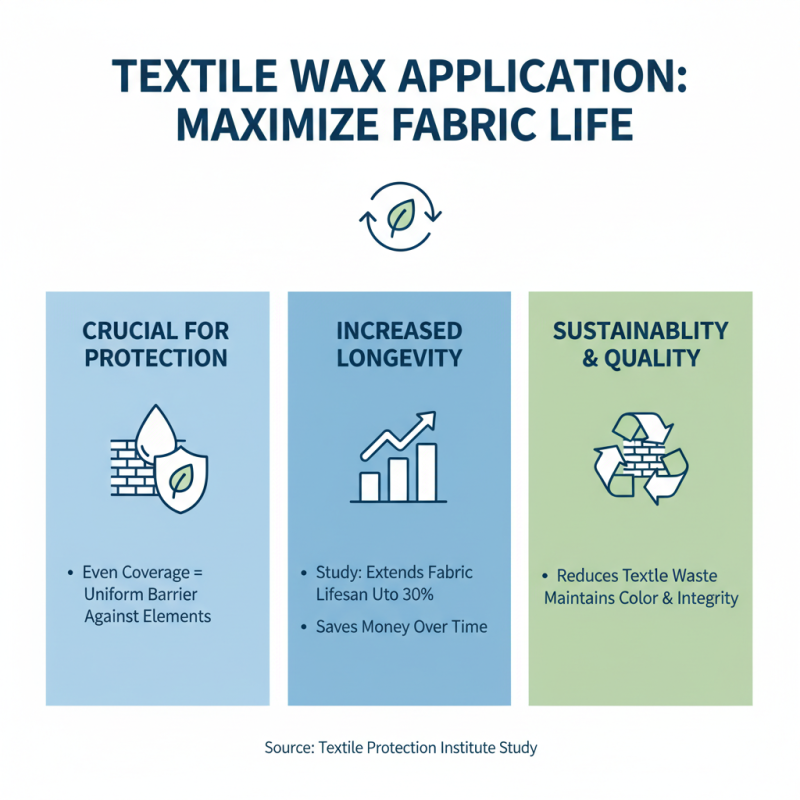
When applying textile wax, achieving even coverage is crucial for optimal protection and longevity. According to a study from the Textile Protection Institute, proper wax application can extend the lifespan of fabrics by up to 30%. This not only saves money in the long run but also reduces textile waste, aligning with sustainable practices in the industry. Ensuring that every area of the fabric is evenly coated helps create a uniform barrier against the elements, which is essential for maintaining color vibrancy and fabric integrity.
Tips for achieving even wax coverage include starting with a clean, dry surface. Any dirt or grime can inhibit the wax's ability to adhere properly, leading to uneven application. Use a soft cloth or brush to gently clean the fabric before waxing. When applying the wax, use a circular motion and work in small sections to ensure that each part receives an adequate amount. It’s advisable to check for any missed spots as you work, which can often lead to weakened areas prone to wear.
Another effective technique is to apply multiple thin layers of wax instead of one thick layer. Research from the Fabric Care Institute indicates that multiple layers can enhance the fabric's water resistance by up to 50% while avoiding the risk of wax buildup that can alter the texture of the fabric. Allow each layer to dry completely before applying the next, ensuring a smoother and more effective final coat.
Caring for Waxed Textiles for Enhanced Longevity
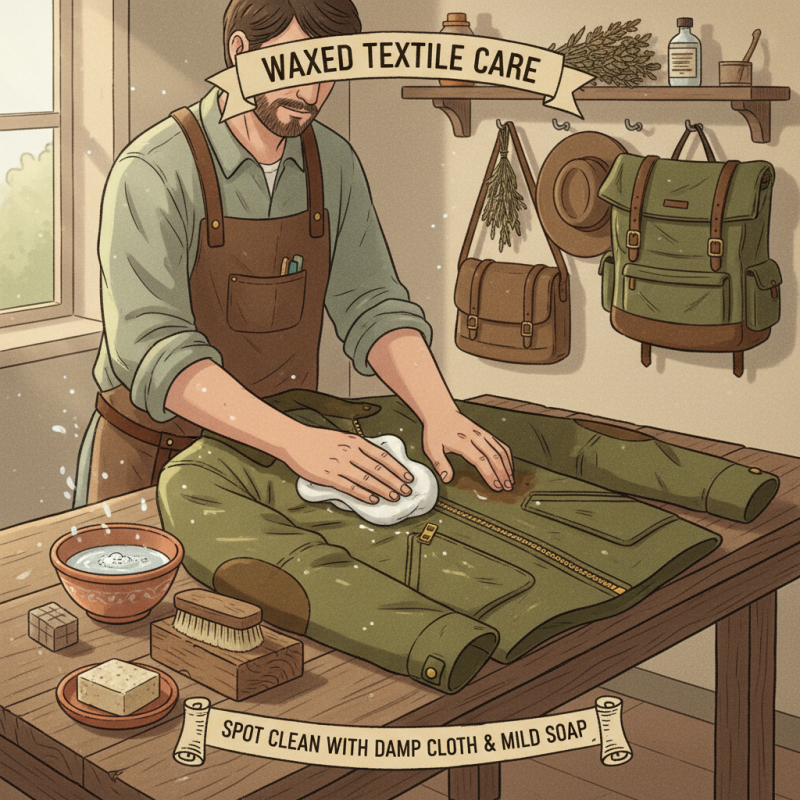
Caring for waxed textiles is essential to ensure their longevity and maintain their protective qualities. The first step in this process is regular cleaning. Instead of machine washing, it’s best to spot clean your waxed items with a damp cloth and mild soap. This gentle approach prevents the wax coating from degrading too quickly and preserves the fabric's integrity. If the item becomes heavily soiled, a more thorough wash with cold water and a soft brush can be conducted, but make sure to thoroughly dry it afterward to avoid any moisture-related issues.
Re-waxing is another critical aspect of textile care. Over time, the wax can wear down due to exposure to elements and regular use, so it’s essential to periodically rejuvenate the wax layer. To do this, heat the surface lightly with a hairdryer or an iron set to a low temperature, then apply a suitable wax using a clean cloth or brush. This will ensure an even distribution and help in restoring the protective barrier. Proper storage is also important; keeping waxed textiles away from direct sunlight and in a cool, dry place can prevent deterioration and maintain their appearance for years to come.