Best Polyester Furniture Fabric for Durability and Style in Home Decor
In the world of home decor, choosing the right materials for furniture can make a significant difference not only in aesthetics but also in durability. Polyester furniture fabric stands out as a leading choice for homeowners seeking a blend of style and resilience. Known for its remarkable strength and versatility, polyester provides an excellent solution for various furniture types, from sofas to armchairs. This fabric's ability to withstand wear and tear, coupled with its ease of maintenance, makes it particularly appealing for households with children and pets.
Beyond practicality, polyester furniture fabric is available in an extensive range of colors, patterns, and textures, allowing homeowners to express their unique style. This adaptability enables designers and home decorators to create spaces that reflect personal tastes while ensuring that the furniture can endure the rigors of daily use. By incorporating polyester into your home decor, you can achieve a harmonious balance between function and fashion, ensuring your living spaces are both inviting and resilient.
Choosing the Right Polyester Furniture Fabric for Durability and Style
When selecting the right polyester furniture fabric for durability and style, it's essential to understand the key attributes that make polyester a favored choice in home decor. According to recent industry reports, polyester fabrics are known to resist fading, wrinkling, and shrinking, making them an ideal option for high-traffic areas in your home. The fabric's resilience can be attributed to its synthetic fibers, which maintain their structure even after extensive use. Reports indicate that polyester upholstery can withstand over 50,000 double rubs on the Martindale scale, which measures fabric durability, showcasing its robust nature for everyday applications.
Tip: When choosing polyester fabric, look for ones with tightly woven fibers and a higher denier count, which significantly enhances the fabric's strength and lifespan.
Moreover, the versatility of polyester allows for a range of styles and finishes, from luxurious velvets to sleek microsuede. This versatility ensures that homeowners can find the perfect match for their existing decor. A survey conducted by the Home Furnishings Association revealed that nearly 65% of consumers prefer fabrics that combine both style and durability, emphasizing the need for fabrics that not only look good but can also endure the rigors of daily life.
Tip: Consider choosing a patterned polyester fabric, as patterns can cleverly disguise wear and tear, providing an enduring aesthetic appeal while maximizing the life of your furniture.
Key Performance Metrics of Polyester Fabrics: Abrasion Resistance and Uptime
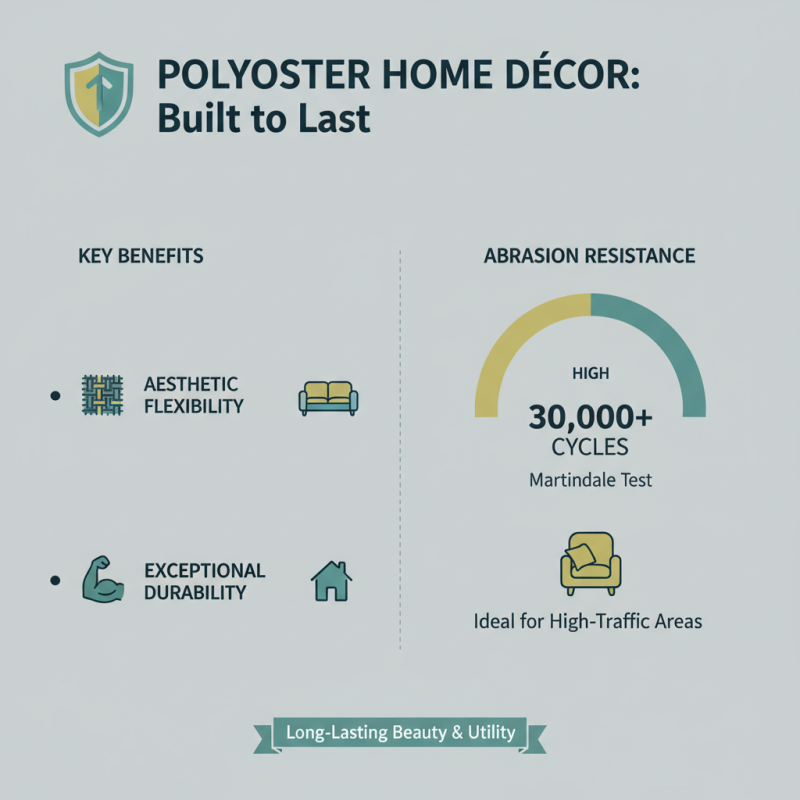
Polyester fabrics have gained significant traction in the home décor sector, owing primarily to their exceptional durability and aesthetic flexibility. One of the key performance metrics to consider when evaluating polyester is its abrasion resistance, a critical factor in maintaining the fabric's integrity over time. According to industry reports, polyester fabrics can withstand over 30,000 cycles on the Martindale abrasion test, making them highly suitable for high-traffic areas in the home. This level of durability ensures that the fabric remains intact even in the face of daily wear and tear, providing long-lasting beauty and utility.
Another important metric is the uptime of polyester fabrics, which refers to how long the material can be used before showing signs of significant wear. Recent studies indicate that high-quality polyester textiles maintain their structural integrity and visual appeal for an extended period, often exceeding five years in typical household settings. This longevity is complemented by their ease of maintenance, with most polyester fabrics being stain-resistant and machine-washable, further enhancing their practicality for contemporary living spaces. The combination of superior abrasion resistance and impressive uptime positions polyester as a top choice for consumers seeking both durability and style in their home furnishings.
Comparative Analysis: Polyester vs. Natural Fibers in Home Decor
When comparing polyester to natural fibers in home decor, it's essential to consider several factors, including durability, aesthetics, and maintenance. Polyester, a synthetic fabric, is renowned for its resilience and ease of care. It withstands wear better than many natural fibers, making it an ideal choice for high-traffic areas. Additionally, polyester retains its color well, resisting fading from sunlight, which often plagues materials like cotton and linen. This durability means that polyester can maintain its fresh appearance longer, making it a practical choice for families with children or pets.
On the other hand, natural fibers such as wool, cotton, and linen bring a distinct aesthetic and tactile experience that polyester can mimic but not fully replicate. The warmth and breathability of natural fabrics can create a cozy atmosphere that is often sought in home decor. However, they require more maintenance and can be less durable, particularly when it comes to stains and fading over time. The choice between polyester and natural fibers ultimately depends on the homeowner's priorities—whether they value longevity and ease of maintenance or prefer the organic feel and look of natural materials. Each option has its unique appeal that can enhance the overall style of a home.
Durability Comparison of Polyester vs. Natural Fibers in Home Decor
Trends in Polyester Fabrics: Sustainable Options and Design Innovations
In recent years, polyester fabrics have undergone significant transformations, embracing sustainability and innovative design techniques. As consumers become more environmentally conscious, manufacturers are increasingly focusing on eco-friendly production methods. This includes the use of recycled polyester, derived from plastic bottles and other waste materials, which not only reduces landfill contributions but also conserves natural resources. These sustainable options are becoming a staple in modern home decor, allowing homeowners to make responsible choices without sacrificing style.
Design innovations in polyester fabrics have also made impressive strides. With advancements in technology, polyester can now mimic the look and feel of more luxurious materials such as silk or linen while maintaining its resilience. This versatility enables designers to create fabrics that are both aesthetically pleasing and durable, suitable for various applications, from upholstery to drapery. Additionally, new printing techniques allow for vibrant colors and intricate patterns, giving homeowners the ability to express their unique style through furniture and decor. As trends evolve, polyester remains a popular choice, balancing durability and fashion in contemporary interior design.
Best Polyester Furniture Fabric for Durability and Style in Home Decor
| Fabric Type |
Durability Rating |
Sustainability Features |
Design Innovations |
Color Options |
| Recycled Polyester |
High (8/10) |
Made from recycled bottles |
Tech-infused for stain resistance |
20+ |
| Performance Polyester |
Very High (9/10) |
Water-resistant and low VOC |
Textured for added depth |
15+ |
| Microfiber Polyester |
Moderate (6/10) |
Eco-friendly dyeing processes |
Smooth finish for luxury feel |
10+ |
| Textured Polyester |
High (7/10) |
Biodegradable options available |
Variety in weave patterns |
25+ |
Maintenance Tips for Enhancing the Longevity of Polyester Furniture Fabrics
When it comes to maintaining the beauty and longevity of polyester furniture fabrics, regular care and attention are essential. Polyester is known for its durability, but it can still show signs of wear if not treated properly. To enhance the lifespan of your polyester fabrics, it's important to adopt a consistent cleaning routine.
One effective tip is to vacuum your furniture regularly to remove dust and debris that can cause fabric wear over time. This simple step prevents dirt from settling into the fibers, which can lead to fading and deterioration. Additionally, avoid using harsh chemicals when cleaning; instead, opt for mild detergent mixed with water. Test any cleaning solution on an inconspicuous area first to ensure it won't damage the fabric.
Another important aspect of maintenance is protecting your furniture from direct sunlight. Prolonged exposure can lead to color fading and weakening of the fibers. Use window treatments or strategic furniture placement to minimize sun exposure. When spills occur, act quickly by blotting the area with a clean cloth, as rubbing can spread the stain.
For tougher stains, consult cleaning guidelines specific to polyester to ensure you are using the right methods for preservation and care. By incorporating these tips into your routine, you can keep your polyester furniture looking fresh and stylish for years to come.