Exploring the Best Polyester Printed Shirt Fabric Options Available?
In the realm of fashion, the choice of fabric can make or break a design. Polyester Printed Shirt Fabric has gained immense popularity among designers and consumers alike. Renowned fabric expert John Smith states, "The vibrancy and durability of polyester printed fabrics are unmatched." This sentiment captures the essence of why many opt for this dynamic fabric.
Polyester Printed Shirt Fabric offers a range of patterns and colors. These options provide versatility for both casual and formal wear. However, not all polyester fabrics are created equal. The quality can vary significantly across different brands and suppliers. Choosing the right one requires careful consideration.
Many buyers overlook the importance of fabric weight and texture. These factors influence not just the look but also the comfort of a shirt. Polyester can sometimes feel stiff or overly shiny. It's essential to test the fabric before purchasing to ensure it meets personal preferences. The potential drawbacks remind us that a little extra attention to detail can enhance our wardrobe choices significantly.
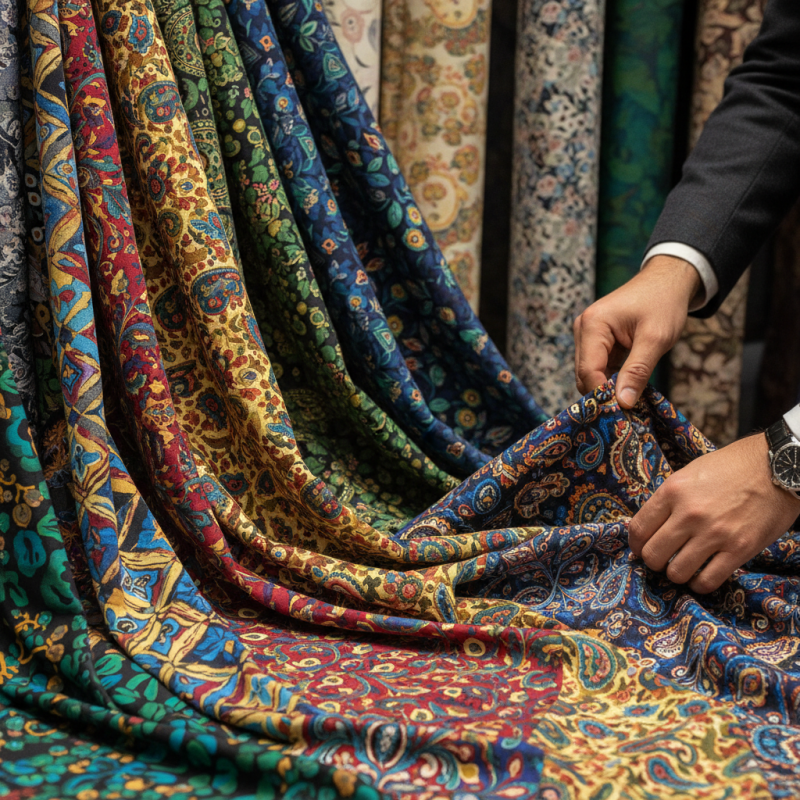
Understanding Polyester Fabric: Characteristics and Benefits
Polyester fabric is a popular choice for printed shirts, thanks to its unique characteristics. It is durable and resists wrinkles and shrinking. This means less hassle when caring for your clothes. Polyester also holds colors well, keeping prints vibrant and eye-catching. Wearing a polyester shirt can feel like a warm hug, soft yet structured. However, some may find it less breathable than natural fibers.
One must consider the drawbacks, too. Polyester can trap heat, making it uncomfortable in hot conditions. It lacks the moisture-wicking capabilities of fabrics like cotton. This can lead to an uncomfortable sweat situation. Furthermore, some individuals are sensitive to synthetic fibers, which may cause skin irritation. Reflecting on these details can help in making better choices when selecting a fabric for printed shirts.
With so many options available, exploring the right polyester blend can be rewarding. While it offers versatility and easy care, paying attention to comfort and breathability is crucial. Balancing style with these characteristics enhances the overall experience of wearing printed polyester shirts.
Exploring the Best Polyester Printed Shirt Fabric Options
This chart illustrates the key characteristics of polyester fabric commonly used in printed shirts. The scores represent how polyester fares in various aspects such as durability, breathability, print quality, cost efficiency, and color retention on a scale from 1 to 10.
Types of Printed Polyester Fabrics: A Comprehensive Overview
Polyester printed fabrics offer a range of choices for various needs. Understanding the types is essential for making the right decision. The major categories include spun polyester, filament polyester, and microfibers. Spun polyester has a soft feel, making it ideal for casual wear. Filament polyester provides a smoother texture and excellent draping, suitable for more formal garments.
Microfiber polyester stands out for its durability and lightweight nature. This makes it a favorite for activewear. According to industry reports, the global microfiber market is projected to grow by 4.5% annually. This trend reflects consumer preference for high-performance materials in both fashion and functionality.
Tips for selecting polyester fabrics include checking the thread count and weight. Higher thread counts enhance breathability, while a lighter weight increases comfort. Additionally, consider the print quality. Digital prints often offer more vibrant colors and intricate patterns compared to screen printing. Be aware, though, that some prints may fade over time. Always test samples and evaluate how they hold up under washing.
Choosing the right type can impact the garment's longevity. Some fabrics may feel rough after washing. It's vital to think about maintenance and care instructions as well. Aim for easy-to-care fabrics if laundry time is limited.
Comparative Analysis: Polyester vs. Other Shirt Fabrics
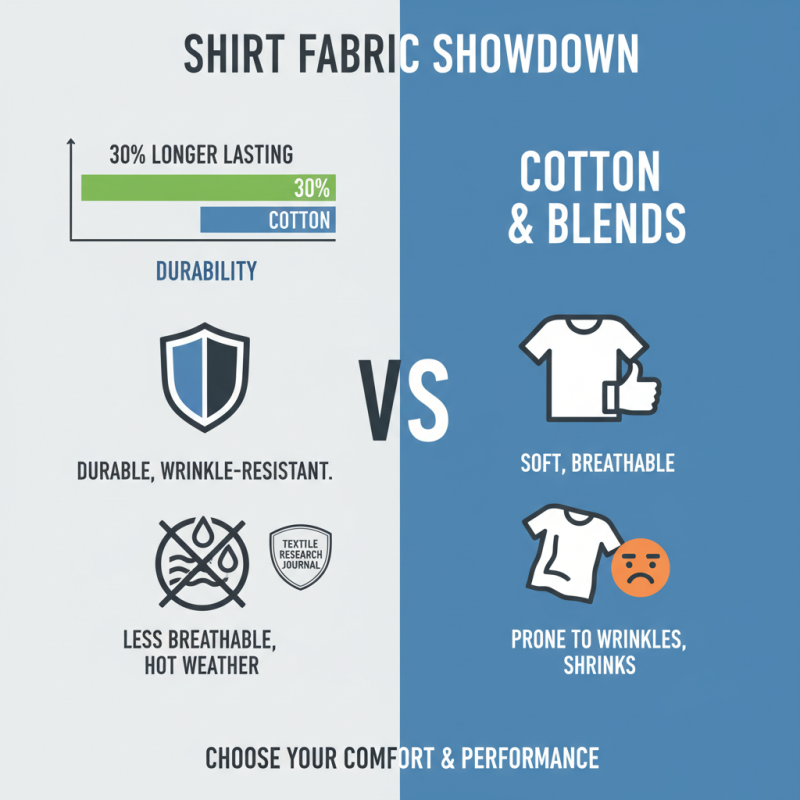
When comparing polyester with other shirt fabrics, the strengths and weaknesses become apparent. Polyester stands out for its durability and resistance to wrinkling. In a report by the Textile Research Journal, polyester shirts last up to 30% longer than cotton. However, the trade-off might be comfort. Polyester can feel less breathable, especially in hot weather.
Cotton is often favored for its softness, but it wrinkles easily. Linen, on the other hand, offers breathability but is prone to creasing. A 2021 study found that 55% of consumers prefer comfort over durability. Fabrics like rayon and blends offer alternatives, but each comes with its own set of challenges.
Tips: Consider the environment where the shirt will be worn. If you anticipate high levels of movement or sweat, polyester is a solid choice. For casual outings, cotton or linen can enhance comfort. Balance aesthetics and functionality for better decision-making. Test various materials to find your best fit.
Factors to Consider When Choosing Printed Polyester Fabrics
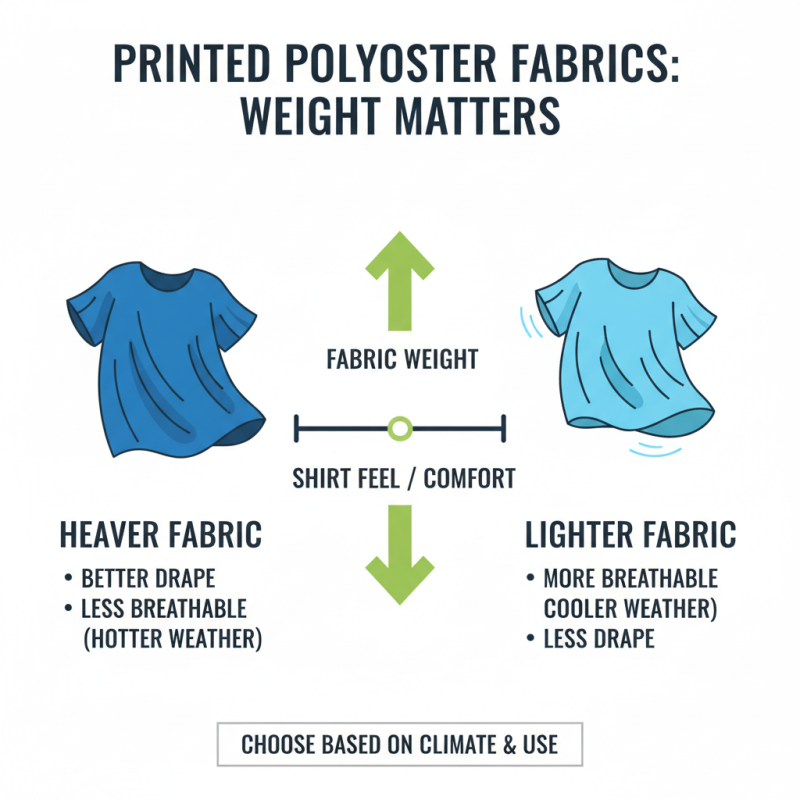
When exploring printed polyester fabrics, it’s crucial to consider different factors. One major aspect is the fabric weight. Heavier fabrics tend to drape better, while lighter ones are more breathable. This can affect how the shirt feels during wear. You might think heavier fabrics are always better, but they can become uncomfortable in hot weather.
Another key factor is the print quality. Vibrant colors and sharp images catch the eye. However, sometimes prints may fade after washing. This can be disappointing for anyone seeking longevity in their garments. Additionally, consider the fabric’s texture. Some polyester blends feel smooth, while others can be rough.
Durability is also an essential consideration. Polyester is generally strong, but not all prints withstand wear equally. Some may show signs of wear and tear faster than expected. Pay attention to the care instructions as well. Some fabrics require special washing to maintain their quality. It’s important to weigh these aspects against your personal style and needs.
Care and Maintenance Tips for Polyester Printed Shirts
Caring for polyester printed shirts is crucial for longevity. According to industry data, polyester can last up to five times longer than cotton when cared for properly. Start with washing in cold water. Hot water can cause fading and shrinkage. It’s also wise to turn the shirt inside out to protect the print.
Avoid harsh detergents. Instead, opt for mild solutions that won’t damage the fabric. Using too much detergent can leave residue, leading to dull colors. When drying, air drying is the safest option. If you must use a dryer, keep it on a low heat setting. High heat can warp the fibers.
Tip: Always check care labels. Follow the manufacturer’s instructions closely. Letting polyester shirts sit in the wash can lead to mildew and odors. Storing them in a cool, dry place can help maintain their freshness. Remember, neglecting maintenance can lead to premature wear, impacting the vibrant prints you love.
Exploring the Best Polyester Printed Shirt Fabric Options Available
| Fabric Type |
Weight (GSM) |
Print Quality |
Breathability |
Durability |
Care Instructions |
| Polyester Microfiber |
120 |
High |
Good |
Very Durable |
Machine wash cold |
| Polyester Satin |
80 |
Medium |
Excellent |
Moderate |
Dry clean preferred |
| Polyester Twill |
150 |
High |
Good |
Highly Durable |
Machine wash warm |
| Polyester Jersey |
200 |
Medium |
Excellent |
Durable |
Machine wash cold |
| Polyester Blend |
110 |
Good |
Fair |
Good |
Machine wash cold |