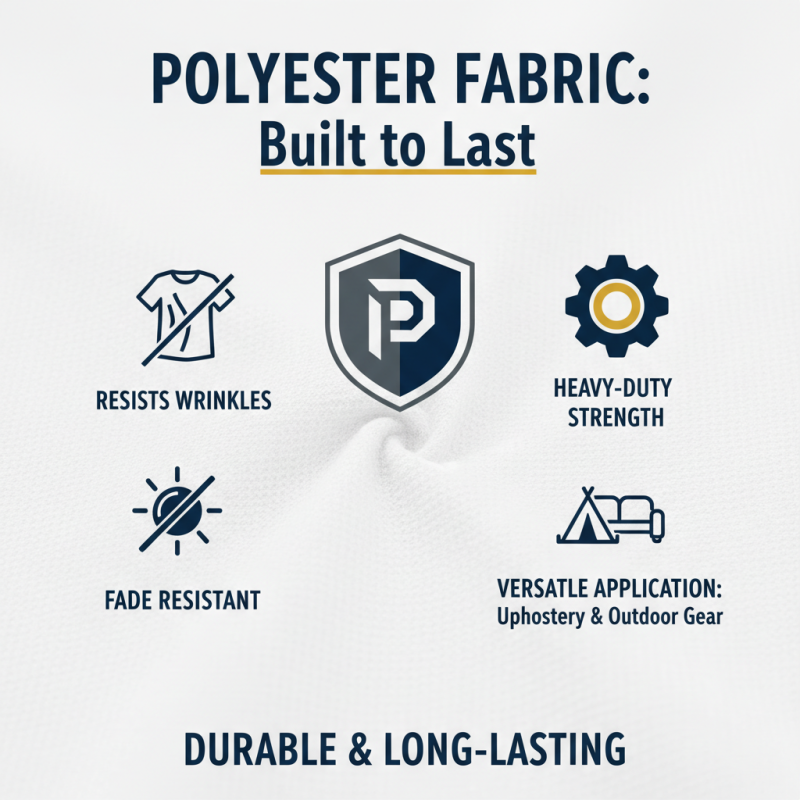
Thick Polyester Fabric stands out for its versatility and durability. Many industries utilize this material for various applications. From fashion to home decor, Thick Polyester Fabric offers a range of benefits that make it a popular choice.
Its resistance to wrinkles and fading ensures longevity. You can find it in upholstery, outdoor gear, and work clothing. This material is easy to care for, adding convenience to daily life. However, the environmental impact of polyester production raises questions. We should consider sustainable options alongside its advantages.
Thick Polyester Fabric is not without flaws. Its breathability may be less than natural fibers. Users often need to weigh comfort against durability. When choosing fabrics, it’s essential to reflect on these aspects for informed decisions.
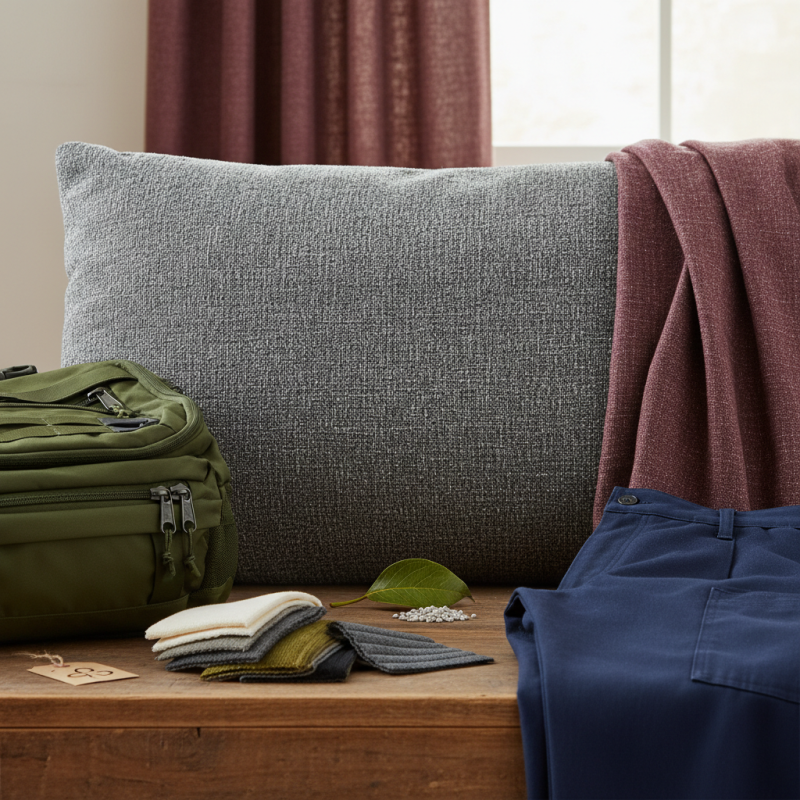
Thick polyester fabric is a versatile material known for its durability. This type of fabric resists wrinkles and fading, making it a great choice for various applications. Its strength makes it suitable for heavy-duty uses, from upholstery to outdoor gear. The fabric can withstand wear and tear, which is vital for long-lasting products.
In terms of texture, thick polyester has a soft feel. This softness adds comfort to clothes and home textiles. The fabric is also relatively lightweight, despite its thickness. Many appreciate how easy it is to care for. Simple machine washing often suffices. Yet, some users find its synthetic nature lacks breathability. This can be a drawback in warmer climates.
Another aspect worth considering is the environmental impact. Polyester is made from petroleum, raising concerns. While recycling options exist, the process is not perfect. Some individuals worry about microplastics shedding during washing. Balancing practicality and sustainability remains a challenge for consumers. Thick polyester fabric has its place but invites reflection on better alternatives.
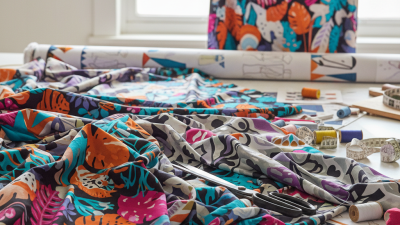
Thick polyester fabric is popular for its unique properties. It boasts excellent durability and resistance to stretching and shrinking. This makes it a great choice for various applications like clothing and upholstery. The fabric retains its shape well, even after multiple washes. Additionally, it is resistant to wrinkles, allowing for low-maintenance care.
Another key benefit is its moisture-wicking capabilities. Thick polyester can draw moisture away from the body. This feature is particularly advantageous in activewear, ensuring comfort during physical activities. Moreover, thick polyester often has a soft texture, enhancing wearability. It can mimic the feel of cotton while offering more strength.
Though it has many positives, thick polyester fabric is not completely free from drawbacks. Some users might find it less breathable than natural fibers. This can lead to discomfort in hot weather. Also, its tendency for static cling may be bothersome. These aspects warrant consideration when selecting the fabric for specific uses.
Thick polyester fabric is versatile and widely used across various industries. Its durability makes it ideal for outdoor applications. Camping gear, tents, and backpacks often utilize this material. According to a report by Smithers Pira, the global demand for polyester is projected to grow by 4.4% annually. This is largely due to properties like water resistance and UV protection.
In the fashion industry, thick polyester fabric is also common. It is used in jackets and activewear, providing comfort and flexibility. Many manufacturers favor it for its cost-effectiveness compared to natural fabrics. A study indicates that polyester can absorb moisture better than nylon, making it a suitable choice for athletic apparel.
Tips: When selecting thick polyester, consider the weight and texture. Heavier fabrics hold up better in rugged conditions. Test samples to understand how it feels against your skin. Some users note that thicker fabrics can limit breathability, especially in warmer weather. Keep that in mind when designing garments for specific climates.
Thick polyester fabric offers numerous benefits that make it a popular choice for various applications. Its durability is remarkable, resisting wear and tear. This fabric is water-resistant, making it suitable for outdoor use. Additionally, it dries quickly, which is advantageous in humid conditions.
When considering thick polyester fabric, think about its insulating properties. It retains heat well, keeping you warm in colder climates. This feature is ideal for jackets and blankets. Its color retention is also notable. It resists fading, ensuring that your items look vibrant even after prolonged exposure to sunlight.
Tips: If you’re using thick polyester for upholstery, ensure proper maintenance. Regular cleaning enhances its lifespan. Also, consider the weight of the fabric. Heavier options provide added durability but may limit flexibility. Measure your needs carefully before purchasing. Finding the right balance can be tricky. If a project doesn’t go as planned, don't hesitate to experiment with different sewing techniques.
Thick polyester fabric is durable and versatile, but proper care is essential. Washing it in cold water is helpful in retaining its colors. Avoid using bleach, as this can damage the fibers over time. A gentle cycle will preserve the texture and prevent excessive wear.
Drying thick polyester fabric can be tricky. Air drying is often the best option. However, if you prefer using a dryer, select a low heat setting. High temperatures might shrink or warp the fabric. Ironing should be done with caution. Use a low heat setting to prevent burning. A cloth barrier can help protect the fabric's surface.
Stains can be a concern for thick polyester. Immediate treatment is crucial. Blot the stain gently with a damp cloth. Avoid rubbing, as this may spread the stain. For tough stains, a mild detergent can be applied directly. Always test any cleaning solution on a small area first. This prevents unexpected damage and ensures the fabric holds up well over time.
| Use Case | Benefits | Care Instructions |
|---|---|---|
| Upholstery | Durable, stain-resistant, and available in various patterns. | Vacuum regularly; spot clean with mild detergent. |
| Activewear | Breathable, moisture-wicking, and lightweight. | Machine wash cold; tumble dry low. |
| Outdoor Gear | Weather-resistant, durable, and easy to clean. |
FAQS
: What is the main purpose of this service?
: The service aims to provide users with useful information and support.
Who can use the service?
Anyone seeking knowledge can access this service.
Is there a cost associated with using the service?
The service is free for all users.
How can I get support if I have issues?
You can reach out via the contact section for assistance.
Is there a limit on inquiries?
While there's no strict limit, please keep inquiries relevant.
Can I provide feedback on the service?
Absolutely, user feedback is encouraged and valued.
How often are the resources updated?
Resources are updated regularly, but delays can occur.
What if I don’t find what I need?
If your questions remain unanswered, more research may be needed.
Can I share information from the service?
Sharing is allowed, but please credit the source appropriately.
What should I do if I see inaccurate information?
Report inaccuracies to improve the quality of the service. ConclusionThick Polyester Fabric is a versatile material known for its durability and resilience. In the introduction, it highlights the increasing popularity of this fabric in various applications due to its robust nature. The key properties include excellent resistance to wear and tear, moisture-wicking capabilities, and ease of care, making it ideal for both industrial and everyday use. Related Posts
|