Discover the Best Wax Print Fabric for Your Global Sourcing Needs?
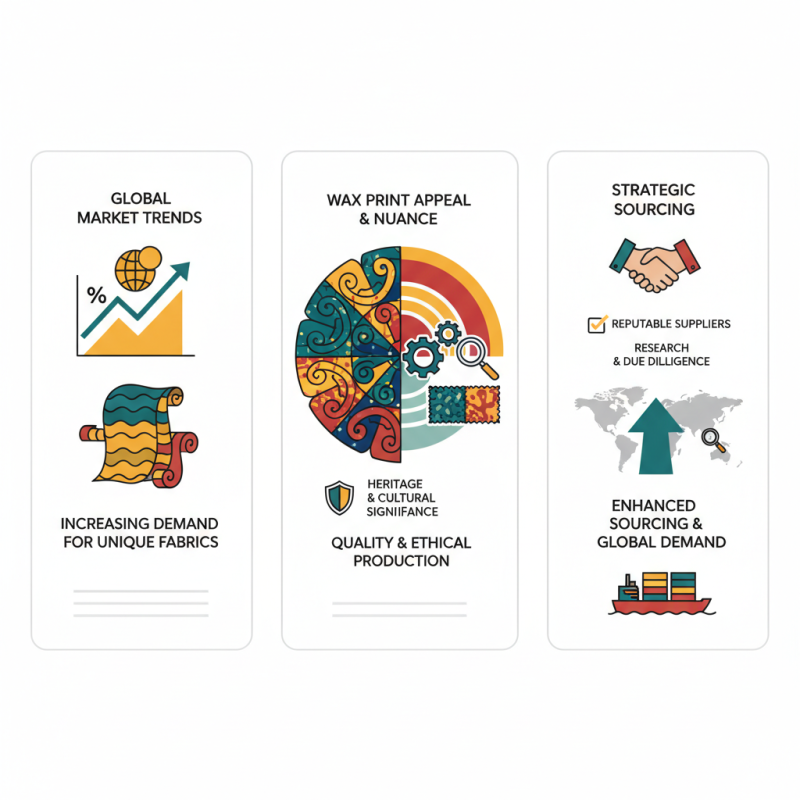
Wax Print Fabric has gained popularity in recent years for its vibrant designs and cultural significance. According to a report by Market Research Future, the global textile market is expected to grow at a rate of 4% between 2021 and 2026. This growth highlights the increasing demand for unique fabrics, including wax print. As sourcing professionals, understanding this trend is crucial for strategic decision-making.
The appeal of Wax Print Fabric lies not just in its appearance, but also in its heritage. Originating from African culture, it carries stories and traditions. However, not all wax prints are created equal. There are varying qualities and price points available. It is essential to recognize these differences when sourcing. Some fabrics may look appealing but lack durability or ethical production practices.
Navigating the wax print market can be challenging. It's important to collaborate with reputable suppliers. Researching suppliers’ backgrounds can help ensure quality and sustainability. By investing time in understanding the diverse offerings within the Wax Print Fabric segment, businesses can enhance their sourcing strategies and meet global demands.
Understanding Wax Print Fabric: Origins and Characteristics
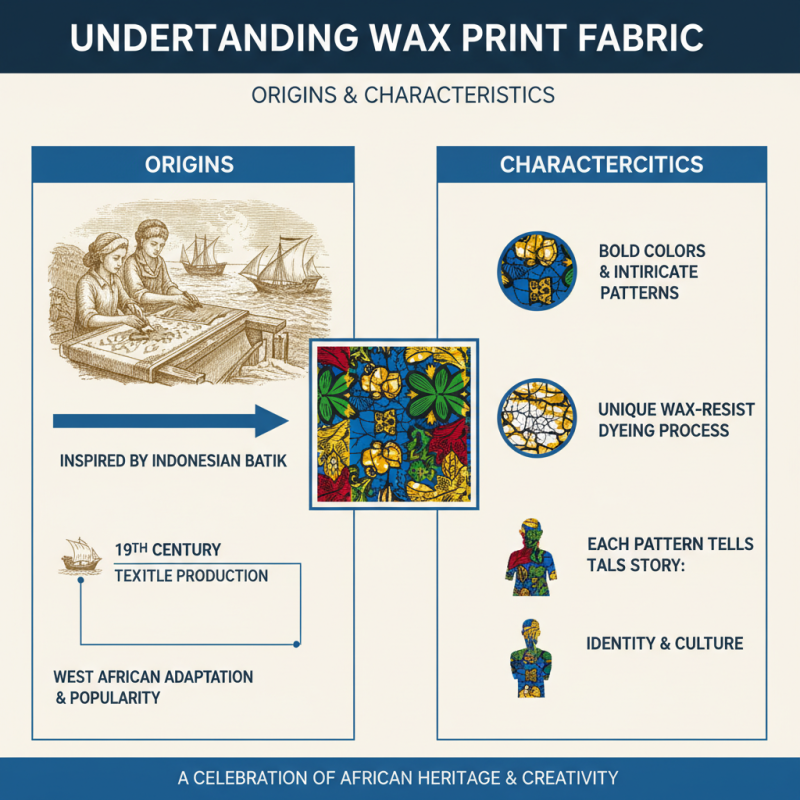
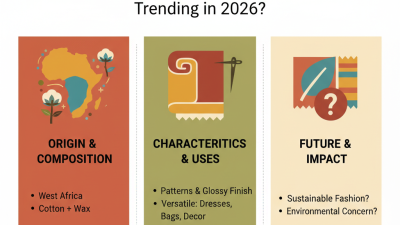
Wax print fabric has deep roots in African culture and craftsmanship. Originally inspired by the Indonesian batik technique, this vibrant fabric features bold colors and intricate patterns. The unique process of applying wax to fabric creates striking designs that are both beautiful and meaningful. Each pattern tells a story, often reflecting the wearer's identity or culture.
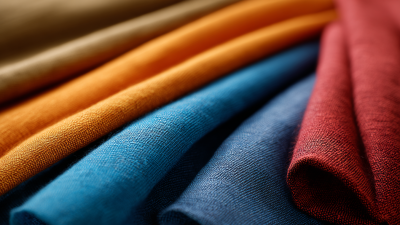
The characteristics of wax print fabrics make them versatile. They are typically made from cotton, ensuring breathability and comfort. These fabrics are also durable, allowing for garments that withstand wear and tear. However, variations in quality can exist. Some fabrics may fade after several washes, while others retain their vibrancy for years. This inconsistency can be frustrating for buyers seeking reliability.
When sourcing wax print fabrics, consider the diversity of patterns. Some designs may be vibrant and eye-catching, while others may be more subtle. Assessing the patterns can provide insights into cultural significance and intended use. It's essential to connect with reliable artisans to understand the history behind each piece. This connection adds value to your sourcing process, enhancing your appreciation for the fabric.
Types of Wax Print Fabric: Nigerian, Dutch, and Beyond
Wax print fabric has become a symbol of culture and style in many parts of the world. There are various types of wax print fabrics, but Nigerian and Dutch designs stand out the most.
Nigerian wax prints are often bold and vibrant. They feature unique patterns that reflect rich traditions. The colors are striking and can evoke strong emotions.
Dutch wax prints, while rooted in African history, have a distinct style. They tend to use intricate motifs and are known for their high quality. These fabrics offer a variety of colors and designs, suitable for diverse markets.
However, sourcing the best type of wax print fabric can be challenging. Not all suppliers provide authentic designs. Some may offer lower quality alternatives that do not match the vibrant aesthetic of true wax prints.
When considering your sourcing needs, focus on quality and authenticity. Look for suppliers with a reputable background and experience in the industry. It might take time to find the right source. However, diligence will lead to superior products that resonate with your audience. Be cautious about overestimating the availability of authentic prints.
Key Factors to Consider for Global Sourcing of Wax Prints
When sourcing wax print fabrics for global needs, there are several key factors to consider. Quality is paramount. Ensure the fabric is durable and vibrant. Poor-quality prints may fade quickly. A reliable supplier will guarantee consistent quality across batches. Always request samples before placing large orders. This step can prevent disappointing surprises.
Another factor is cultural relevance. Wax prints carry significant meaning in different regions. Understanding these cultural connections can enhance your offerings. It’s essential to respect local traditions and patterns. Researching the history behind each design can foster better relationships with suppliers and customers.
Lastly, consider sustainability. The fashion industry is shifting towards eco-friendly practices. Evaluate whether the fabrics are produced sustainably. Transparency in the manufacturing process is vital. Not every supplier will prioritize this, so it's important to ask questions. Sourcing responsibly can enhance your brand's reputation and meet growing consumer demands for ethical products. Balancing these considerations requires careful thought and sometimes difficult choices.
Global Sourcing of Wax Print Fabrics: Key Factors
Top Suppliers and Manufacturers of Wax Print Fabric Worldwide
When sourcing wax print fabric, it’s crucial to partner with reliable suppliers. The market is rich with manufacturers offering diverse designs and quality. Exploring these options can be overwhelming. A tailored approach to selecting a supplier is essential.
Key players in the wax print fabric industry operate globally. Many have established reputations through consistency and innovation. They create vibrant patterns with cultural significance. Engaging with these manufacturers can provide unique materials for various projects. However, communication gaps and quality variations can arise unexpectedly. Researchers must assess suppliers thoroughly.
Some manufacturers focus heavily on sustainability, using eco-friendly materials. This trend is growing, but not all suppliers follow suit. It's important to verify claims about ethical practices. The search for the ideal wax print fabric is a journey that requires careful thought and due diligence. Being aware of potential pitfalls can guide informed decisions.
Trends in Wax Print Fabric Design and Market Demand
The wax print fabric market presents dynamic trends. Recent studies indicate a significant uptick in demand, particularly in Africa and Europe. According to a report by Market Research Future, the global wax print fabric market is expected to grow at a CAGR of 8.1% from 2021 to 2027. This growth reflects a heightened interest in vibrant designs and cultural relevance in fashion.
Design trends show a shift towards eco-friendly materials. Sustainable practices are influencing consumer choices. A survey from the Business Research Company revealed that 67% of respondents prefer sustainable fabrics over traditional options. This reflects a demand for products that not only look good but also minimize environmental impact. Brands are increasingly incorporating natural dyes and organic materials.
However, this rapid growth also presents challenges. Integrating sustainability while meeting production demands can be complex. Many manufacturers struggle with supply chain disruptions and ethical sourcing. The need for transparency in sourcing is more pressing than ever. Addressing these challenges will be crucial for brands aiming to thrive in this evolving market.
Discover the Best Wax Print Fabric for Your Global Sourcing Needs
| Fabric Type |
Design Pattern |
Market Demand (%) |
Current Trends |
Sourcing Regions |
| Cotton Wax Print |
Traditional African Motifs |
40% |
Sustainable Practices |
West Africa, Asia |
| Polyester Wax Print |
Modern Geometric Patterns |
35% |
Digital Printing Technology |
Southeast Asia, Europe |
| Blend Wax Print |
Floral and Abstract Designs |
25% |
Eco-friendly Dyeing Techniques |
Africa, Americas |