Why Choose Polyester Furniture Fabric for Your Home?
Polyester Furniture Fabric is gaining popularity in home design. According to industry reports, it accounts for about 60% of upholstery materials used today. This fabric combines durability with style, making it a reliable choice for households. Its stain-resistant properties are appealing to families with young children and pets. An impressive range of colors and patterns ensures it can fit any decor style.
However, not all polyester fabrics are created equal. Some have lower-quality fibers, affecting their longevity and comfort. It is crucial to research and choose high-quality polyester options. The right selection will provide both aesthetic appeal and practical benefits for years to come. A knowledgeable approach ensures homeowners make the best choice for their living spaces.
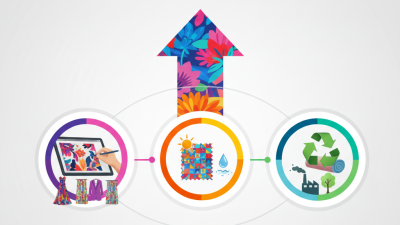
Moreover, the environmental impact of polyester production raises questions. Sustainability trends suggest consumers consider recycled polyester options. This makes Polyester Furniture Fabric a versatile choice but also requires careful consideration. Understanding its pros and cons can guide educated decisions in home furnishing.
Advantages of Polyester Fabric in Furniture Design
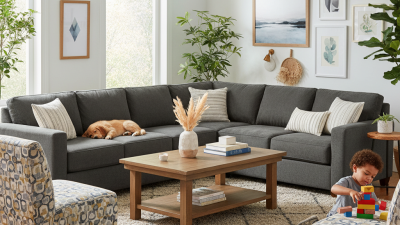
Polyester fabric is increasingly popular in furniture design. Homeowners appreciate its blend of durability and style. Unlike natural fibers, polyester resists stains and fading. This makes it an ideal choice for high-traffic areas. It can easily withstand spills and rough use, important for families with children or pets.
Another compelling advantage of polyester is its versatility. The fabric can mimic the look of natural fibers while offering additional benefits. Available in various colors and patterns, it fits well with diverse decor styles. However, some might argue that its synthetic nature lacks the warmth of natural materials. A blend of polyester and other fabrics can provide a balanced solution.
Comfort is also key. Polyester upholstery feels smooth to the touch and doesn’t irritate the skin. Nonetheless, some people may find it less breathable than other materials. This can be a concern in warmer climates. Awareness of these aspects can help in making informed design choices.
Durability and Stain Resistance of Polyester Upholstery
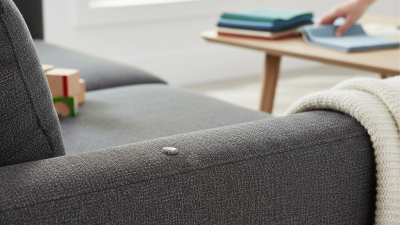
Polyester upholstery has gained popularity for its remarkable durability and stain resistance. This synthetic fabric is engineered to withstand the daily wear and tear of a bustling home. Its tight weave and high tensile strength make it resilient against tearing and fraying. With children or pets, these qualities become even more critical. Accidental spills and messy paws no longer spell disaster for your furniture.
Maintaining the appearance of polyester furniture is easier than you might think. Stains can often be wiped away with a damp cloth and mild soap, thanks to the fabric's natural resistance to moisture. Unlike natural fabrics, which may absorb liquids and stains deeply, polyester creates a protective barrier. This means less time worrying about cleaning and more time enjoying your space. While no fabric is entirely stain-proof, polyester offers a level of protection that keeps your furniture looking fresh longer.
However, it's important to remember that polyester is not without its drawbacks. In certain conditions, it can retain heat, making it less comfortable in hot weather. Additionally, while it resists many stains, some substances may still require professional cleaning. A quick assessment of your lifestyle can help you decide if polyester furniture is the right fit for your home. Balancing its advantages with potential challenges can lead to a well-informed choice for your living space.
Variety in Styles and Colors: Customizing Your Space
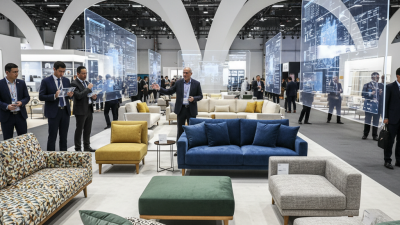
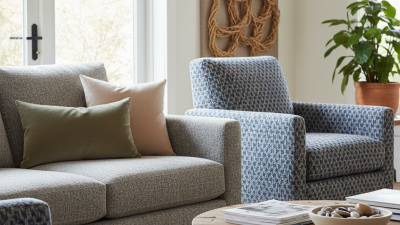
Choosing the right fabric can completely transform your home. Polyester furniture fabric stands out for its versatility. It comes in countless styles and colors, allowing you to create a unique living space. You can freely mix and match patterns to fit your personal taste. From bold reds to soft pastels, the options are endless.
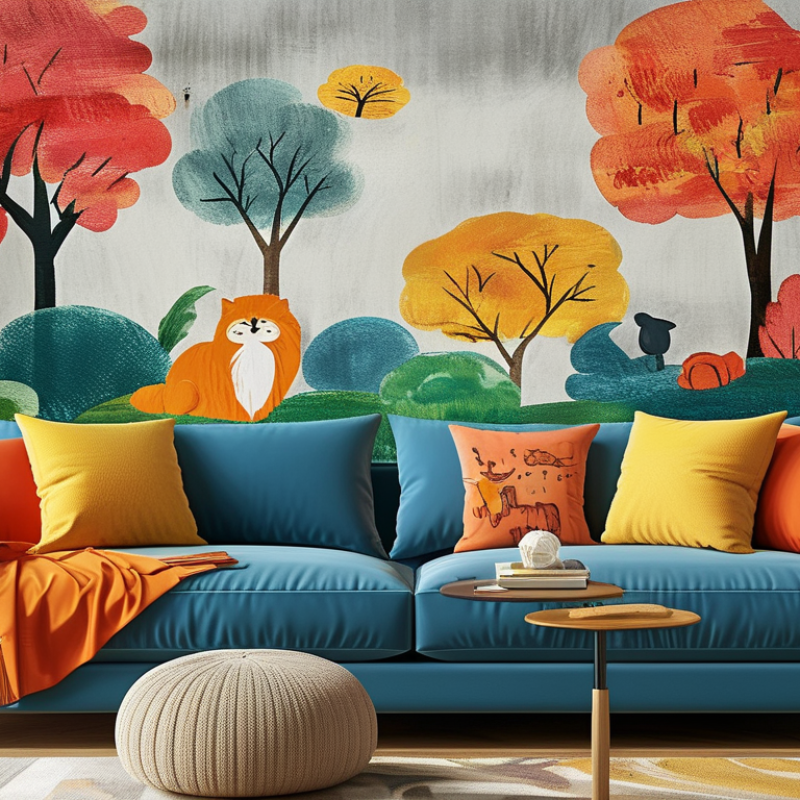
Imagine a bright blue sofa in a cozy corner. It can become the focal point of your room. You could pair it with patterned cushions or a soft throw blanket. This combination adds layers of texture. Moreover, polyester is easy to clean, making it practical for busy households. You won't have to worry much about spills or stains.
However, exploring the wide variety can feel overwhelming. Not every style will suit your aesthetic. It’s crucial to take your time choosing. Think about your existing decor before making a selection. Consider how the fabric complements your environment. Embrace both your creative instincts and practical needs. Balance style with functionality. This reflection ensures your space feels authentic and inviting.
Variety in Styles and Colors of Polyester Furniture Fabric
Maintenance and Care Tips for Polyester Furniture Fabric
Polyester furniture fabric is a popular choice for many homes due to its durability and ease of maintenance. However, it's essential to know how to care for this material properly. Regular cleaning helps maintain the fabric's appearance and extends its life. Use a vacuum cleaner with an upholstery attachment weekly to remove dust and debris. Be gentle; avoid using a brush that can snag the fibers.
Stains are inevitable. For minor spills, blot the area immediately with a clean cloth. Avoid rubbing, as it can push the stain deeper. A mixture of mild soap and water can help clean tougher stains. Test any cleaning solution on an inconspicuous area first. This helps avoid discoloration. If you encounter persistent stains, consider professional cleaning as a last resort. Remember, a little caution goes a long way in preserving the beauty of your polyester furniture.
Environmental Impact and Sustainability of Polyester Fabrics
Polyester furniture fabric is making waves in sustainability discussions. Unlike natural fibers, polyester is a synthetic option. It is often derived from recycled plastics, reducing waste in landfills. The Global Sustainability Institute reports that using recycled polyester can save up to 50% in energy consumption compared to conventional polyester production.
While polyester presents eco-friendly advantages, there are concerns about microplastics. Studies show that washing polyester can release tiny fibers into the water supply. This can affect marine life and ecosystems. The impact is not negligible. According to the International Union for Conservation of Nature, over 700 marine species are already affected by pollution from microplastics.
Moreover, polyester's durability contributes to sustainability. Its resilience means furniture lasts longer, reducing the frequency of replacements. However, reliance on synthetic fabrics raises questions about long-term sustainability. The industry is evolving, and further innovations are needed to minimize adverse effects. Balancing these factors is essential for making informed choices in fabric selection.