Why Choose Print Polyester Fabric for Your Next Project?
Print Polyester Fabric has gained popularity due to its versatility and durability. According to market research by Statista, the global polyester market is projected to reach 87 million tons by 2025. This growth underscores the fabric's importance in various industries, including fashion and home decor.
One key advantage of Print Polyester Fabric is its ability to retain vibrant colors after multiple washes. A report from the Textile Research Journal highlights that polyester fabrics maintain their color integrity far better than natural fibers. Additionally, they are resistant to wrinkles and shrinkage, making them ideal for everyday use.
However, some challenges persist. Not all print techniques yield the same quality results. It's crucial to choose the right printing method to avoid fading or cracking. Despite these considerations, Print Polyester Fabric remains a favorite choice for designers and manufacturers aiming for high-quality, reliable products.
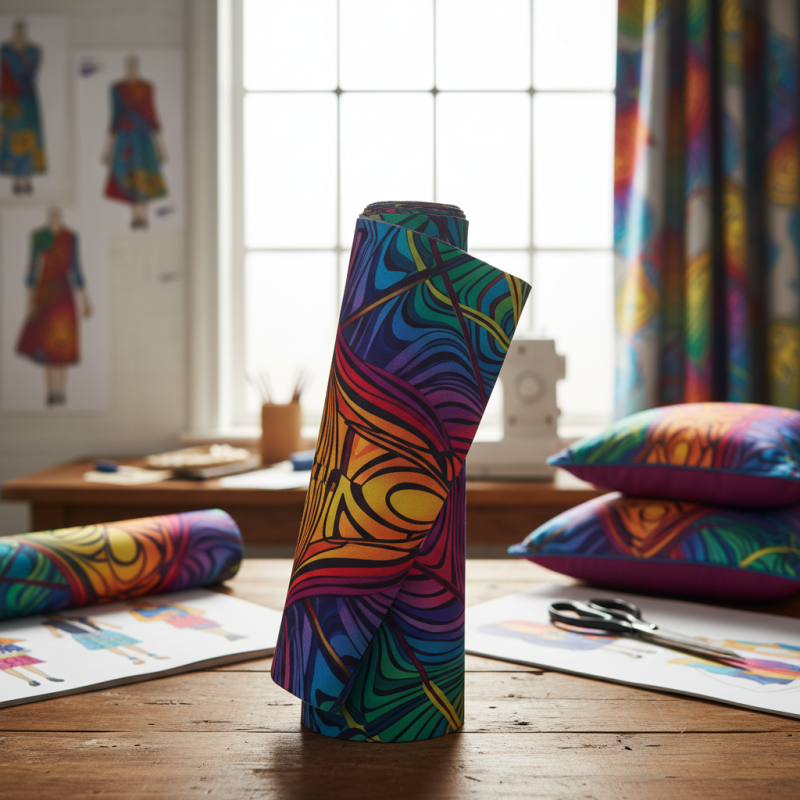
Benefits of Print Polyester Fabric for Various Applications
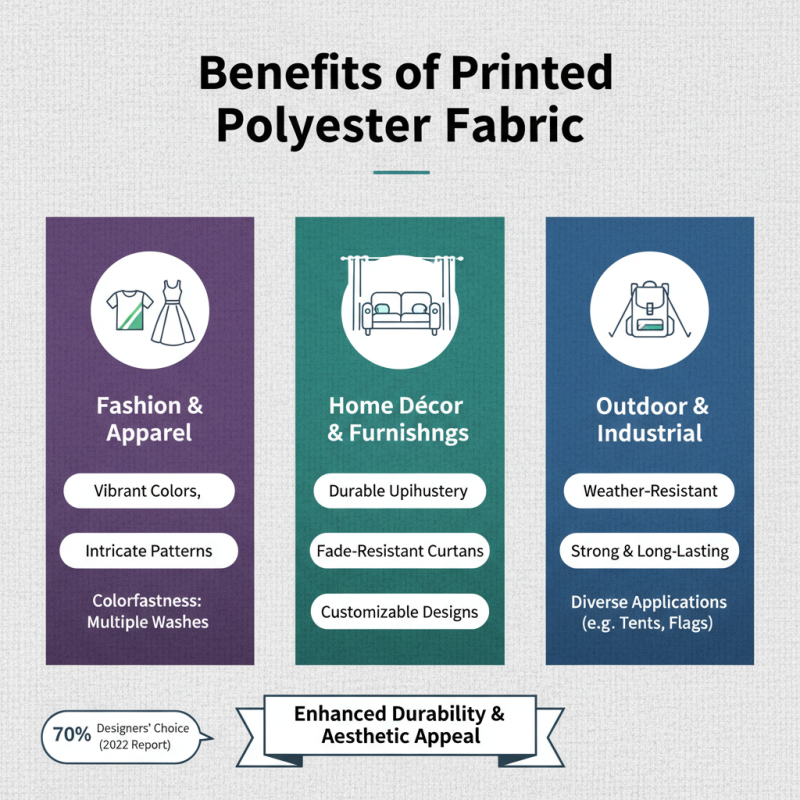
Print polyester fabric offers significant advantages across diverse applications. Its vibrant colors and intricate patterns attract attention. According to the Textile Industry's annual report from 2022, 70% of designers favor polyester for its print quality. This fabric maintains its colors even after multiple washes, making it ideal for fashion and home décor.
One compelling benefit is its durability. Print polyester resists wrinkles, shrinking, and fading. This is essential for items like banners and outdoor fabrics. A 2023 study published by the Textile Research Journal found that print polyester retains its integrity up to 50% longer than cotton blends when exposed to UV light. However, not every application benefits from polyester's qualities. For instance, some users report that excessive heat can cause the fabric to warp, leading to flawed designs.
Lastly, the versatility of print polyester is worth noting. It suits apparel, upholstery, and promotional materials. As manufacturers push the limits of printing technology, the options continue to grow. Despite its many benefits, some critics argue that the fabric isn't environmentally friendly. This raises questions about sustainability that demand thoughtful consideration. Making informed choices will guide future use of print polyester in creative projects.
Durability and Longevity of Print Polyester Fabric
Print polyester fabric is a popular choice for various projects due to its impressive durability. This material resists wear and tear, making it suitable for both indoor and outdoor use. It can withstand tough conditions without fading or losing its shape. This resilience is crucial for items like banners and outdoor apparel, where longevity is essential.
The fabric's ability to maintain vibrant colors adds to its appeal. Unlike natural fibers, print polyester resists water and mildew. This can be particularly beneficial in humid climates where mold can be a problem. However, not all polyester is created equal. The quality of the fabric plays a significant role in its lasting power. Some lower-grade options may not perform as well, requiring careful selection.
In addition to its practical benefits, print polyester fabric offers a wide variety of designs and patterns. This versatility can inspire creativity in various projects. Yet, it's important to consider the environmental impact of synthetic fabrics. Many people seek alternatives that balance durability with sustainability. The choice of print polyester should involve reflection on its environmental footprint.
Versatility in Design: Customization Options with Print Polyester
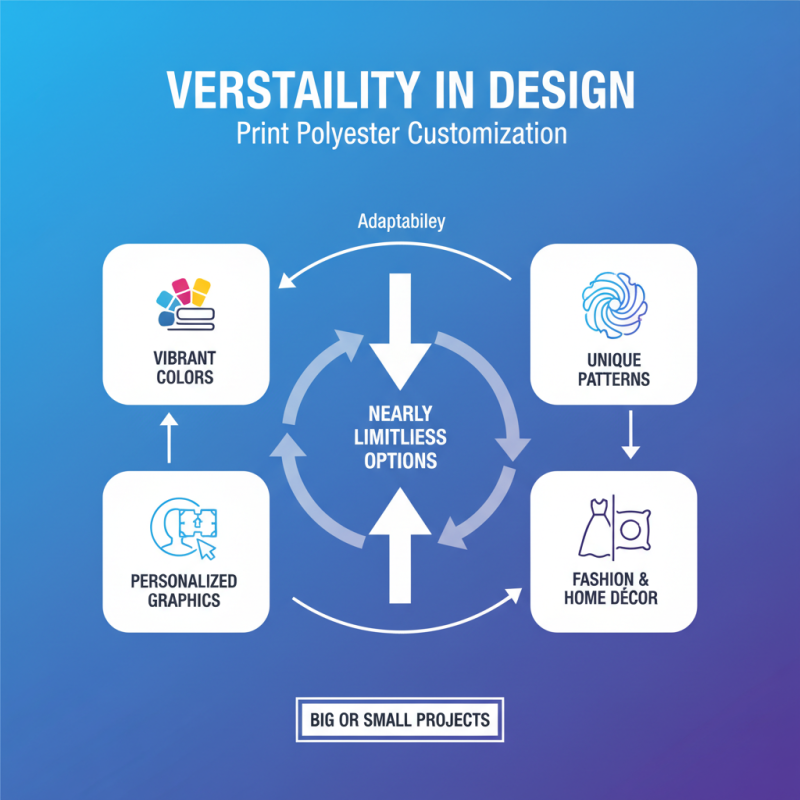
Print polyester fabric has gained immense popularity due to its versatility in design. This fabric allows for stunning customizations. You can choose vibrant colors, unique patterns, and even personalized graphics. Whether for fashion or home décor, the options are nearly limitless. This adaptability makes it suitable for various projects, big or small.
One reason to consider print polyester is its printing capabilities. The fabric can handle detailed prints well, making intricate designs come alive. Colors stay true and resist fading, ensuring your creations look great over time. However, achieving the perfect design may require multiple iterations, which can be both time-consuming and frustrating. Using digital tools can help refine ideas and visualize outcomes more clearly.
Another aspect to consider is the fabric's texture and feel. Print polyester has a smooth surface that adds a level of sophistication. Yet, it may not always have the warmth of natural fibers. This difference in feel may affect how people perceive your project. Balancing design aesthetics with tactile experience can be challenging but crucial in delivering a complete product.
Cost-Effectiveness of Using Print Polyester Fabric in Projects
Print polyester fabric stands out as a cost-effective option for various projects. Its affordability allows creators to explore bold designs without breaking the bank. This fabric is often less expensive than alternatives like silk or cotton, making it appealing for budget-conscious projects.
When considering print polyester, less waste is generated. It can be easily produced in large quantities. This reduces costs associated with setup and production. However, there are instances where cheap fabric can compromise quality. Choosing the right supplier is crucial. Researching the production process is key.
Print polyester's durability is another advantage. It holds colors well, resisting fading over time. This ensures longevity in your projects. Yet, it is essential to note that not all polyester is created equal. Some may snag or wear out faster than expected. Careful selection and testing can help avoid disappointment.
Environmental Considerations of Print Polyester Fabric Choices
When considering print polyester fabric, environmental factors play a crucial role. Research shows that polyester made from recycled materials can reduce energy consumption by up to 40%. The process of recycling plastic bottles into fabric helps divert waste from landfills. However, the production of traditional polyester still has significant environmental impacts, such as high water usage and greenhouse gas emissions.
Selecting print polyester can also present challenges. While it offers vibrant colors and durability, its synthetic nature raises concerns about biodegradability. Most polyester fabrics take centuries to decompose, leading to long-term environmental consequences. This reality highlights the importance of choosing sustainable options whenever possible.
Tips for your next project: Aim to source polyester that is made from 100% recycled materials. Look for certifications that ensure environmentally friendly practices. Before purchasing, consider the lifecycle of your fabric choice. Evaluating the entire production process can help mitigate negative impacts. By making informed decisions, you can contribute to a more sustainable future while enjoying the benefits of print polyester in your designs.
Environmental Impact of Print Polyester Fabric Choices
This chart illustrates the environmental impacts associated with print polyester fabric, including water usage, energy consumption, carbon dioxide emissions, and waste production. Understanding these factors can help in making more sustainable choices in fabric selection for projects.