Why Choose Sustainable Fabric Textile for Global Sourcing?
The textile industry is on the brink of transformation. Sustainable fabric textiles are gaining traction as global sourcing becomes more environmentally conscious. According to a report by McKinsey, 60% of consumers prefer brands that prioritize sustainability. This shift is pushing businesses to adapt or risk falling behind.
Sustainable fabric textiles, such as organic cotton and recycled polyester, support eco-friendly practices. They reduce waste and lower carbon footprints. The Global Fashion Agenda reported that if all fashion brands adopted sustainable materials, it could cut greenhouse gas emissions by 44%. This statistic highlights the urgency for the industry to pivot towards sustainable solutions.
However, the transition is not without challenges. Sourcing sustainable textiles can increase costs and complicate supply chains. Brands face scrutiny over their practices and material sourcing. It is crucial to acknowledge these hurdles while emphasizing the long-term benefits. Sustainable fabric textiles are not just a trend; they represent a committed effort towards a healthier planet and a responsible industry.

Understanding Sustainable Fabric Textiles and Their Importance
Sustainable fabric textiles are becoming essential in global sourcing. These materials reduce environmental impact while promoting ethical practices in the fashion industry. Many consumers are now aware of their choices and seek information about sustainability. This trend pressures brands to prioritize eco-friendly materials in their sourcing strategies.
Using sustainable fabrics can lower carbon footprints and conserve water. Hemp, organic cotton, and Tencel are just a few options. These fabrics require fewer pesticides and chemicals, making them safer for both workers and consumers. However, sourcing these materials may come with its challenges, such as higher costs and limited availability. It is crucial to weigh the pros and cons before making a switch.
Tip: Research different suppliers carefully to ensure their practices align with sustainability goals. You might discover unexpected sources of sustainable textiles by exploring local options. Consider sharing knowledge with other industry players to create a broader impact. Collaboration can enhance the overall effectiveness of sustainable sourcing.
The Environmental Benefits of Using Sustainable Fabrics in Global Sourcing
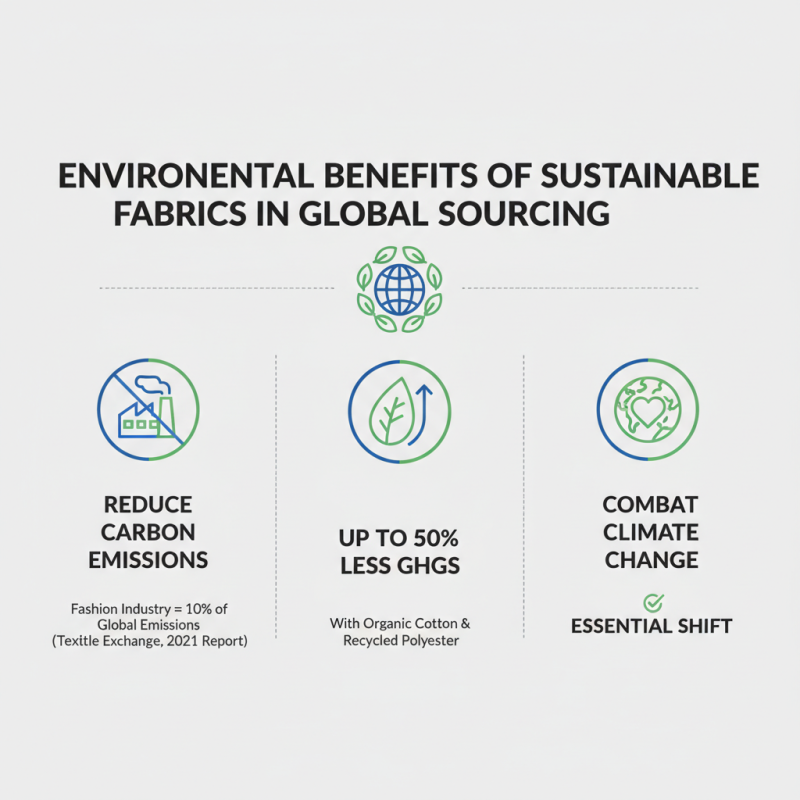
Sustainable fabrics offer significant environmental benefits in global sourcing. According to the Textile Exchange's 2021 report, the fashion industry accounts for more than 10% of global carbon emissions. By using organic cotton or recycled polyester, companies can reduce greenhouse gas emissions by up to 50%. This shift is essential in battling climate change.
Additionally, sustainable textiles often utilize less water in their production. A 2020 report by the World Wildlife Fund indicated that cotton farming alone consumes over 7,000 liters of water for just one kilogram of conventional cotton. However, organic methods can cut water usage by up to 90%. Transitioning to sustainable fabrics can make a substantial impact on water conservation.
However, the transition is not without challenges. Sourcing sustainable fabrics can sometimes lead to higher production costs. Companies may face difficulty in finding reliable suppliers who meet sustainability standards. It requires increased investment in education and supply chain adaptations. Companies need to weigh these factors against long-term benefits.
Economic Advantages of Sustainable Textiles for Businesses
Sustainable textiles are gaining traction in global sourcing due to their economic advantages. The Global Fashion Agenda’s 2021 report indicates that adopting sustainable practices can reduce operational costs by up to 20%. These savings stem from decreased resource usage and waste production. Companies that shift to sustainable fabrics not only lessen their environmental impacts but also improve their bottom lines.
Consumer demand for eco-friendly products is rising. According to a Nielsen report, 73% of global consumers are willing to pay more for sustainable goods. This trend is reshaping sourcing strategies. Businesses that embrace sustainable textiles can attract a broader customer base. However, sourcing can be challenging. Ensuring quality in sustainable textiles often requires more research and collaboration with suppliers, leading to potential delays.
Investing in sustainable fabrics fosters brand loyalty. However, businesses need to evaluate their current practices critically. Not all sustainable options are affordable. The upfront costs can deter smaller companies. A balance must be struck. Long-term savings versus short-term expenses demand careful analysis. Though challenges exist, the potential economic benefits make sustainable textiles a viable option for future growth.
Consumer Demand and Trends in Sustainable Fabric Choices
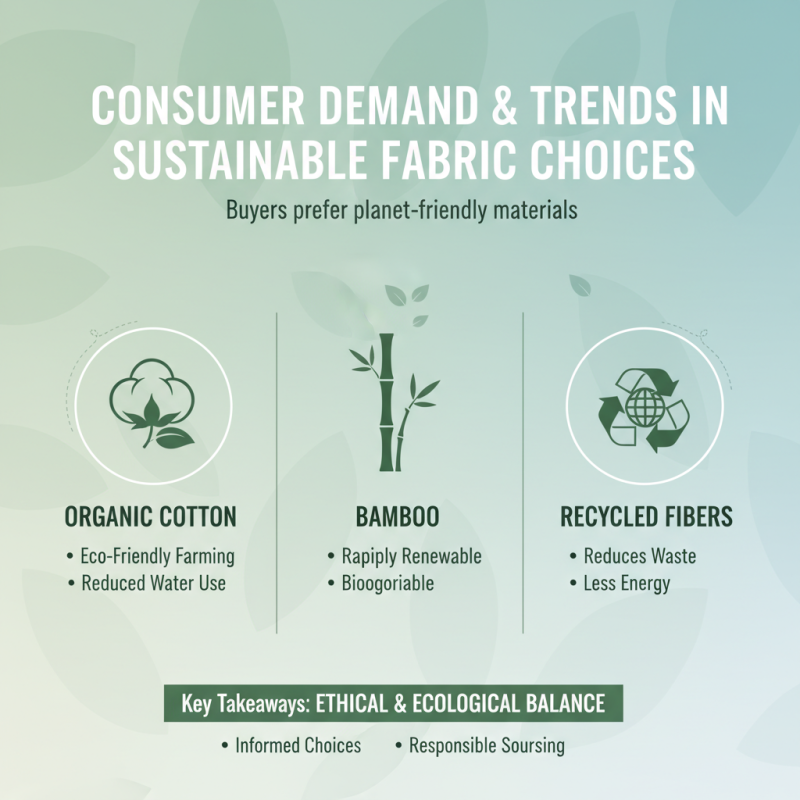
Sustainable fabric choices are increasingly capturing consumer interest. Today’s buyers are more informed about environmental and ethical issues. They often prefer materials that minimize impact on the planet. Organic cotton, bamboo, and recycled fibers are gaining traction. These fabrics showcase a care for ecological balance and responsible sourcing.
Shifts in consumer trends reflect a deeper awareness. Buyers are now scrutinizing supply chains for transparency. They demand ethical labor practices and reduced carbon footprints. This evolution in consumer mindset challenges brands to adapt. Many brands are adjusting offerings to meet these new expectations. Yet, there is still work to be done. Reports indicate a knowledge gap among many consumers regarding the sustainability of certain fabrics. This confusion can lead to unintended choices.
As brands enhance their sustainability credentials, they face pressures to prove their claims. Certifications and labels can help guide consumers, but skepticism remains. Shoppers desire concrete evidence of sustainable practices. More education is needed to bridge this divide. Empowering consumers with accurate information is crucial. Sustainable fabrics must move from niche markets into mainstream consciousness.
Challenges and Solutions in Implementing Sustainable Textile Sourcing
Sustainable textile sourcing presents unique challenges. Supply chains often involve multiple stakeholders. This complexity can hinder transparency and accountability. Producers may lack the resources needed for sustainable practices. Educating them is crucial for fostering change.
Another challenge is the cost of sustainable materials. These fabrics may carry a higher price tag. Small brands often struggle to afford these options. However, investing in sustainability can lead to long-term savings. It requires careful budgeting and foresight. Collaboration within the industry can also help to share costs.
Moreover, consumer demand is still evolving. Many buyers prioritize affordability over sustainability. This trend can stifle progress toward ethical sourcing. Brands need to communicate the benefits of sustainable textiles effectively. They must illustrate how these fabrics contribute to environmental conservation. Engaging storytelling can bridge the gap between cost and values. This shift requires time and continuous effort from everyone involved.