How to Choose the Best Polyester Printed Fabric for Your Needs?
Choosing the right Polyester Printed Fabric can significantly impact your project. Whether you are designing clothing, home décor, or crafts, this fabric offers versatility. It’s available in various prints, textures, and colors, making it suitable for countless applications.
However, not all Polyester Printed Fabric is created equal. Factors like durability, colorfastness, and breathability can vary widely. Therefore, understanding your specific needs is crucial. Consider how the fabric will be used. Will it endure wear and tear? How important is washability? These questions should guide your selection process.
In addition, seeking advice from industry experts can enhance your decision-making. Research reliable sources and compare customer reviews. This approach will help you avoid potential pitfalls. Selecting the right Polyester Printed Fabric requires careful consideration and informed choices. Your project deserves the best fabric available.
Understanding Polyester Printed Fabric: An Overview
Polyester printed fabric is a versatile choice in the textile industry. It is widely appreciated for its durability and vibrant print capabilities. According to a report by the Textile Exchange, polyester makes up over 52% of the global fiber market. This statistic reflects its growing popularity among manufacturers and consumers alike.
The production process for polyester printed fabric involves intricate techniques such as dye-sublimation and digital printing. These methods allow for sharp, high-quality visuals on the fabric. However, the environmental impact of polyester production raises concerns. While the fabric is known for its resilience, it is derived from petroleum, raising sustainability questions.
In terms of applications, polyester printed fabric is used in various sectors, including fashion, home décor, and upholstery. Cost-effectiveness and easy maintenance contribute to its widespread use. Despite its advantages, consumers face choices that may seem overwhelming. Variations in fabric weight, print quality, and finish can complicate decision-making. Understanding these factors is crucial for making an informed choice that meets specific needs.
Identifying Your Specific Needs for Fabric Selection
When selecting polyester printed fabric, understanding the specific needs of your project is crucial. Consider the intended use of the fabric. Different applications require different features. For example, apparel fabrics should offer comfort and breathability, while upholstery fabrics need durability and stain resistance. According to a recent industry report, 65% of consumers prioritize fabric performance over aesthetic qualities. This data highlights the importance of focusing on functionality before design.
Tips: Determine the fabric's weight and weave. These factors affect how the finished product feels and performs. A lighter weight fabric is often better for summer apparel, while heavier options work well for winter wear. It’s essential to test fabric samples. Manufacturers often provide swatches, allowing you to gauge how the material looks and feels in real life.
Also, consider the fabric's care requirements. Some polyester blends are machine washable, while others may require dry cleaning. The complexity of care could influence your selection. Not every project meets every expectation, and sometimes compromises must be made. Balancing between durability and aesthetic appeal can lead to difficult choices. Investing time into understanding your needs upfront will ultimately lead to a more satisfying fabric selection process.
Evaluating Fabric Quality: Key Features to Consider
When choosing polyester printed fabric, evaluating its quality is crucial. Begin by checking the fabric's weight. A heavier fabric typically indicates a higher quality. According to industry reports, a fabric weight of 150-200 GSM is usually durable and suitable for various applications. Lighter fabrics may work for fashion but often lack longevity.
Next, consider the print quality. High-quality polyester prints should have vibrant colors and clear designs. The best options show minimal fading after multiple washes. Look for printed samples. Inspect the sharpness of the image and the consistency of the colors. Fabrics that use dye-sublimation techniques tend to perform better regarding color retention.
Tips: Always request a swatch before committing. This allows you to evaluate thickness and texture in person. Note that some polyester fabrics may feel different than expected. Consider how the fabric feels against the skin, especially if used for clothing. Some users find certain polyester blends irritating.
Lastly, consider the fabric's breathability. While polyester is known for durability, it can also trap heat. This is something to think about if you need fabric for activewear. Look for moisture-wicking properties too. Check if the fabric has been treated for this purpose; it can make a significant difference in comfort.
Evaluation of Polyester Printed Fabric Quality
Comparing Patterns and Designs for Aesthetic Appeal
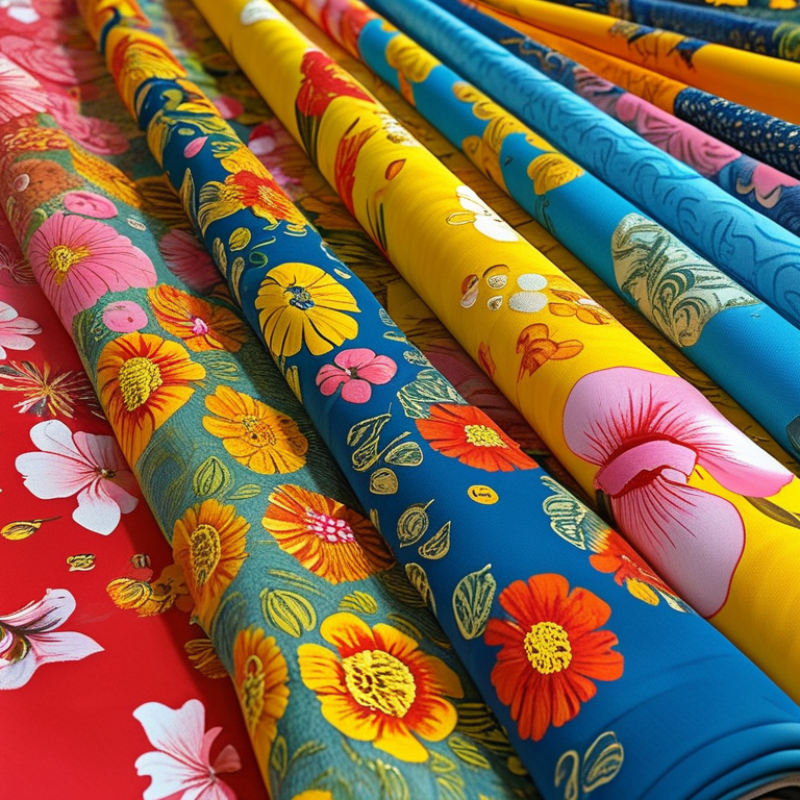
When choosing polyester printed fabric, the patterns and designs significantly influence your decision. Aesthetic appeal can vary widely. Floral prints create a lively feel, while geometric patterns offer a modern touch. Bright colors can energize a space, while muted tones add sophistication. Consider how these designs resonate with your personal style or project requirement.
Tips: Always examine the scale of the patterns. Larger prints may dominate a small area, while smaller ones can seamlessly blend. Additionally, think about the fabric's texture. A smooth finish can enhance vibrant designs, while a textured surface may soften bold prints.
Balancing personal taste with functionality is crucial. Some patterns may look beautiful but may not hold up well over time. Reflect on the environment where the fabric will be used. Fabrics exposed to sunlight may fade quickly, impacting their overall aesthetics. Always ask yourself if the design complements your intended use.
How to Choose the Best Polyester Printed Fabric for Your Needs?
| Pattern Type |
Design Complexity |
Color Vibrancy |
Aesthetic Appeal (1-10) |
Best Use Case |
| Floral |
Moderate |
High |
8 |
Dresses, Home Decor |
| Geometric |
High |
Medium |
7 |
Activewear, Accessories |
| Abstract |
Low |
High |
9 |
Fashion Apparel, Table Linens |
| Animal Print |
Moderate |
Medium |
6 |
Outerwear, Costumes |
| Plaid |
Low |
Medium |
5 |
Shirts, Quilts |
Sustainability and Care Requirements for Polyester Fabrics
When considering polyester printed fabrics, sustainability is a crucial factor. Polyester, derived from petrochemicals, poses specific environmental challenges. According to the Fashion Institute of Technology, about 70 million barrels of oil are used annually to produce polyester worldwide. This statistic raises concerns regarding the fabric's impact on the planet.
Care requirements for polyester fabrics can also influence your choice. While they are generally durable and resistant to wrinkles, they necessitate proper maintenance to extend their lifespan. Studies show that washing polyester in cold water and air drying can reduce energy usage by up to 80%. However, many consumers still default to hot washes, which can lead to increased environmental stress.
Additionally, it is essential to address the recycling potential of polyester. While some companies are making strides in recycling polyester into new fibers, only about 14% of polyester garments are recycled today. This low rate highlights the need for greater consumer awareness and participation in sustainable practices. Adopting these practices may decrease pollution but requires a collective effort that has not yet been fully realized.