How to Choose the Best Polyester Printed Shirt Fabric?
Choosing the right Polyester Printed Shirt Fabric can be a challenging task. Various factors impact the decision, including the fabric's durability, print quality, and comfort. According to a report by the Fabric & Textile Research Institute, polyester prints have gained a 30% share in the global shirt market due to their versatility and cost-effectiveness. An industry expert, Dr. Emily Carter, once noted, "The right fabric can elevate a simple shirt into a fashion statement."
Understanding the characteristics of Polyester Printed Shirt Fabric is crucial. These fabrics can feature vibrant patterns and withstand wear, making them popular among consumers. However, not all polyester fabrics are created equal. The feel and breathability can vary significantly. Often, buyers overlook these essential details, which may lead to dissatisfaction.
The growing trend towards sustainable fashion complicates the fabric selection. Many brands now focus on eco-friendly polyester, but not all recycled options are high-quality. The challenge lies in balancing sustainability with the desired aesthetic. Therefore, careful consideration and research are key to making an informed choice.
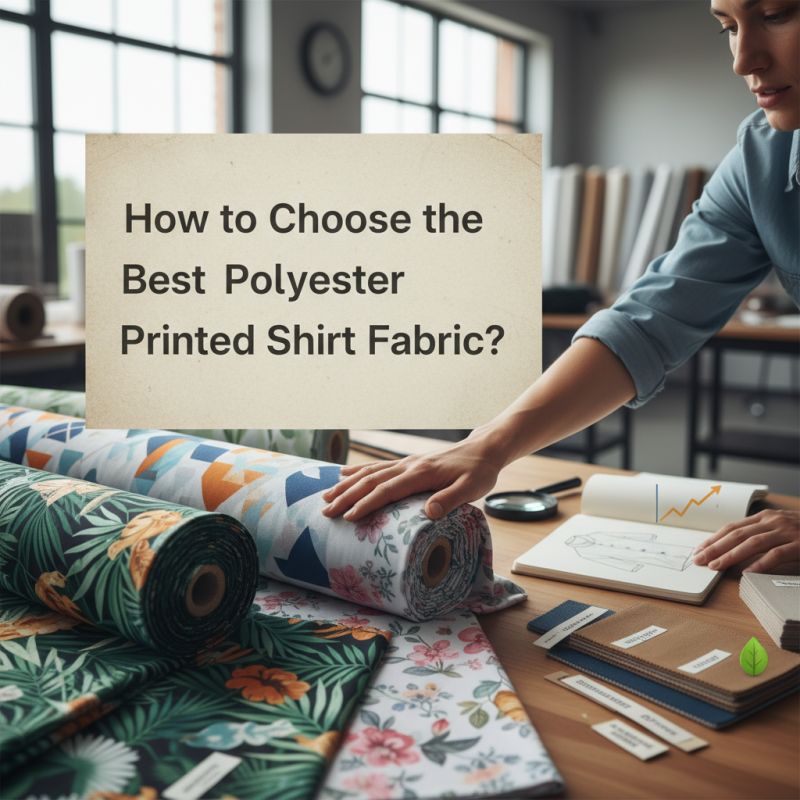
Understanding Polyester: Properties and Benefits of the Fabric
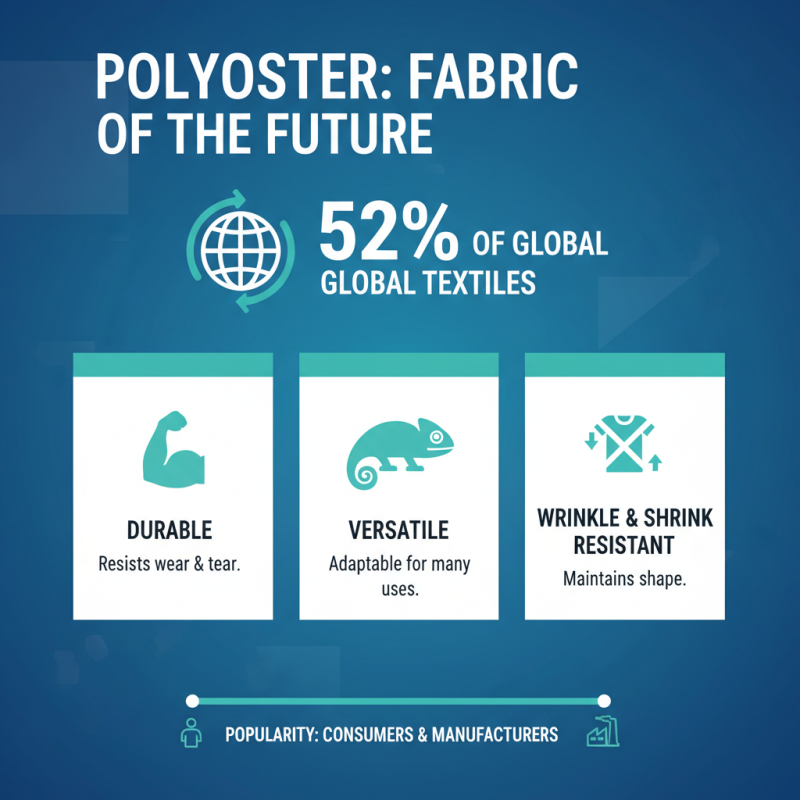
Polyester is a synthetic fabric known for its durability and versatility. According to industry reports, polyester accounts for about 52% of global textile production. This high percentage reflects its popularity among consumers and manufacturers alike. One of the key benefits of polyester is its ability to resist wrinkles and shrinking. Garments made from this fabric maintain their shape over time.
Furthermore, polyester exhibits excellent moisture-wicking properties. This means it can move sweat away from the body, keeping the wearer dry. A study published in the Journal of Textile Science highlights that polyester can dry up to four times faster than cotton. However, it’s worth noting that polyester's breathability can sometimes be less than natural fibers, leading to discomfort in hot weather.
Choosing the right polyester fabric also involves considering its printability. High-quality polyester can produce vibrant prints but may require specific inks and treatments. Some manufacturers overlook this aspect, leading to faded designs after washing. Additionally, while polyester is generally affordable, some lower-quality variants can feel rough and irritate the skin. Ensuring a balance between quality and cost is crucial for a successful purchase.
Factors to Consider When Selecting Printed Shirt Fabrics
When selecting polyester printed shirt fabrics, several key factors come into play.
The weight of the fabric is crucial. Heavier fabrics usually offer durability, while lighter ones can be more breathable.
Test how the fabric feels against your skin; some polyester blends can be scratchy. It's important to find a balance between comfort and style.
Print quality is another factor to consider. Look for clear, vibrant prints that won’t fade easily.
Sometimes, a beautiful design masks poor material quality. It’s wise to check for colorfastness.
Inspect how the fabric reacts to washing. Some prints may blur or fade after just a few washes.
This is likely to affect the longevity of your shirt.
Lastly, check the fabric's stretch and recovery. A little stretch can provide comfort,
but some fabrics may not return to their original shape. This can lead to sagging or distortion over time.
Taking these details into account will help in making better choices.
Always remember, not every choice will be perfect. It's natural to reflect on past decisions and learn from them.
Evaluating Print Quality and Fabric Durability in Polyester Shirts
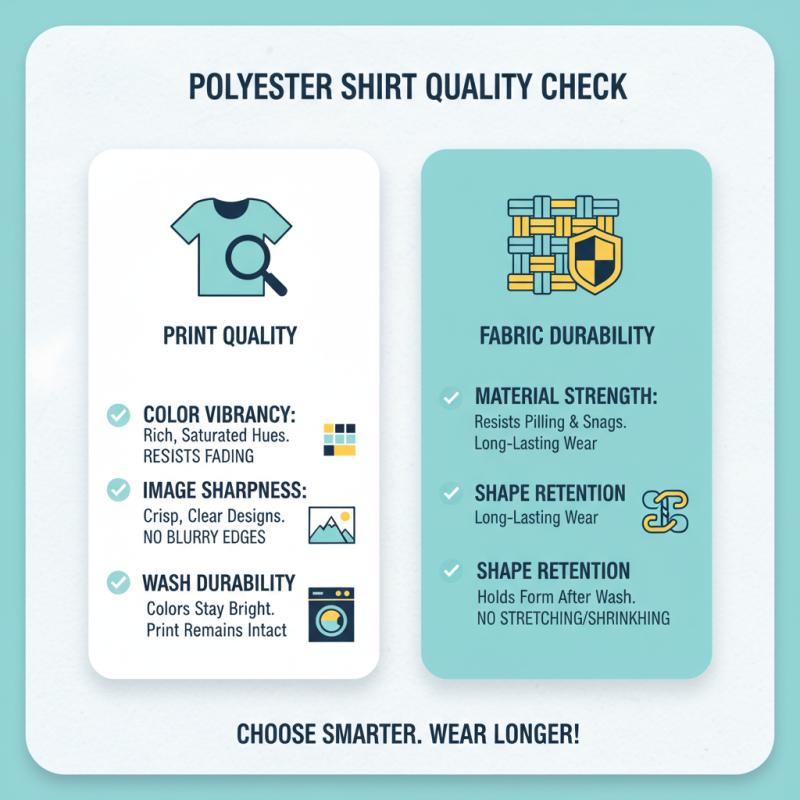
When choosing polyester printed shirts, assessing print quality is essential. Vibrant colors that don't fade easily are desirable. Look closely at the sharpness of images and designs. Blurry prints can ruin a shirt's appeal. Quality prints should withstand washing without losing brightness.
Fabric durability is equally important. A high-quality polyester blend resists wear and tear. Feel the fabric; it should feel strong yet soft. Thinner fabrics may be cheaper, but they might not last long. Often, these shirts sag or lose shape after several washes. Some people overlook these details, leading to disappointment. Check stitching as well. Loose threads can indicate a lack of quality.
Sometimes, buyers choose based on price alone. This can backfire if the fabric frays or the print cracks. Compromising on quality may save money now, but it often costs more in the long run. Careful evaluation ensures you pick a shirt that looks great and lasts longer. The right balance of print quality and durability is crucial.
Analyzing Fabric Weight and Composition for Optimal Comfort
When selecting a polyester printed shirt fabric, understanding fabric weight and composition is vital. Fabric weight significantly impacts comfort and wearability. Lightweight fabrics, under 4 oz per square yard, are generally breathable, making them suitable for warm climates. Heavier fabrics, exceeding 7 oz, provide more durability but may feel stifling in heat.
Consider this statistic: A 2019 report from the Textile Association noted that 65% of consumers prefer lightweight materials for summer wear. This highlights the importance of choosing the right weight for your needs.
**Tip: Always check the fabric weight on the label.** It can greatly affect how the shirt feels against your skin. The composition matters too. Polyester blends often include cotton or rayon. Cotton adds breathability, while rayon enhances softness. Each blend offers different benefits, affecting overall comfort.
In some cases, however, blends can lead to dissatisfaction. For instance, cheaper polyester blends might feel sticky or restrictive. This can be frustrating when the right choice leads to discomfort.
**Tip: Test the fabric before purchasing.** Run your fingers over it. Ensure it feels right. Fabric choice influences not just the shirt's appearance but how you feel wearing it. Careful consideration will pay off in the long run.
Fabric Weight and Composition Analysis for Polyester Printed Shirts
Sustainability and Eco-Friendliness of Polyester Fabrics in Fashion Trends
Polyester fabrics are increasingly popular in fashion. They offer versatility and vibrant prints. However, the sustainability of these materials raises questions. Traditional polyester is derived from petroleum, which is not eco-friendly. This creates a dilemma for eco-conscious consumers.
Sustainable alternatives are emerging and becoming more common. Recycled polyester, made from plastic bottles, reduces waste. It lowers the demand for new raw materials. Yet, not all brands use recycled versions, and many still rely on virgin polyester. This inconsistency can confuse shoppers trying to make environmentally friendly choices.
Choosing polyester fabric requires careful consideration. Look for certifications indicating eco-friendliness. Ask questions about the sourcing and production methods. The ideal fabric should balance style, comfort, and sustainability. Awareness is key. Fashion can be both trendy and responsible, but consumers must remain vigilant.