How to Choose the Best Polyester Woven Fabrics for Your Needs
In recent years, the demand for Polyester Woven fabrics has surged, driven by their versatility and durability across various industries, including fashion, home decor, and industrial applications. According to a report by the Textile Association, the global polyester fabric market is projected to reach $85 billion by 2026, with woven varieties accounting for a significant portion of this growth. This increase is attributed to the material's ability to blend comfort with performance, making it a preferred choice for a wide range of consumers.
Industry expert Dr. Maria Jenkins, a leading researcher in textile technology, emphasizes the importance of understanding the characteristics of Polyester Woven fabrics. She states, "Choosing the right polyester woven fabric requires not just an awareness of its aesthetic appeal, but also an understanding of its functional properties, such as breathability, strength, and moisture-wicking capabilities." This insight underscores the need for consumers and manufacturers alike to carefully consider their specific needs when selecting polyester woven options.
As we explore the key factors that contribute to the best Polyester Woven fabrics for various applications, it becomes essential to equip ourselves with comprehensive knowledge to make informed decisions. From evaluating fabric weight to analyzing weave types, knowing what to prioritize will greatly influence the satisfaction and performance of the final product.
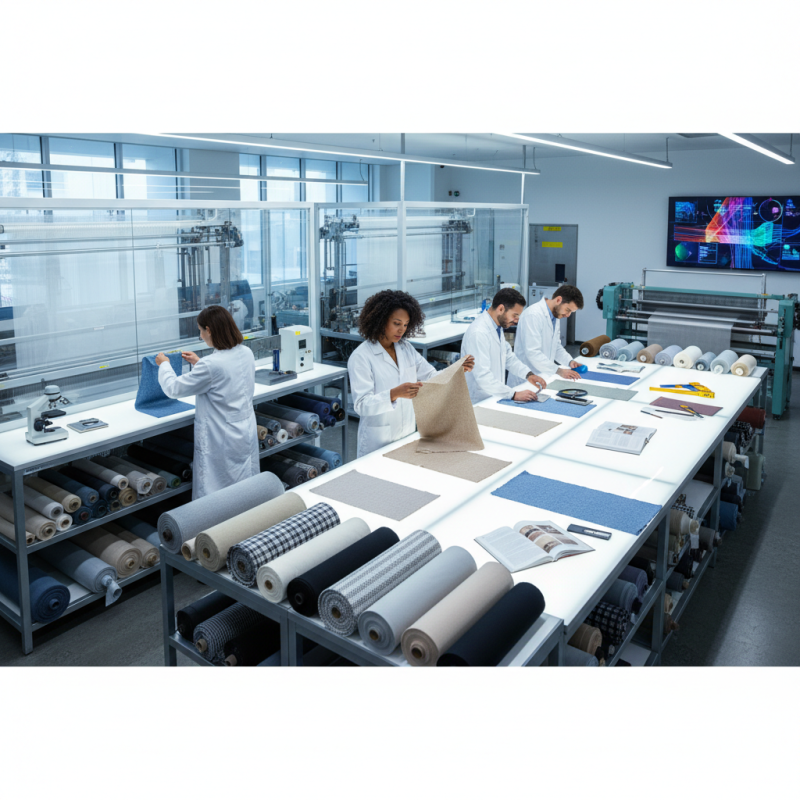
Understanding Polyester Woven Fabrics: An Overview of Benefits and Types
Polyester woven fabrics are renowned for their versatility and durability, making them a popular choice across various industries. According to a report by the Textile Research Journal, polyester accounts for a staggering 52% of the global fiber market as of 2022, thanks largely to its resilience and cost-effectiveness. These fabrics exhibit excellent resistance to shrinking and stretching, ensuring that garments maintain their shape even after multiple washes. Additionally, polyester's ability to wick moisture away from the skin makes it ideal for athletic wear and outdoor gear, catering to the growing demand for performance fabrics.
In terms of types, polyester woven fabrics can be categorized into several varieties, including basic polyester, micro-polyester, and blended fabrics. Basic polyester offers a strong and long-lasting option for everyday use, while micro-polyester, known for its finer fibers, is favored in high-performance applications like sports apparel. Furthermore, blended fabrics, which combine polyester with natural fibers like cotton, offer enhanced breathability and softness, appealing to consumers looking for comfort without compromising durability. The diverse applications of polyester woven fabrics—from fashion to industrial use—underscore their significance in the textile industry, driven by preferences for sustainable and high-performance materials.
Key Factors to Consider When Choosing Polyester Woven Fabrics
When selecting the best polyester woven fabrics for your needs, there are several key factors to consider. First and foremost, the fabric's weight can greatly influence its suitability for various applications. Lightweight polyester fabrics are ideal for garments that require breathability and comfort, while heavier options may be better suited for items needing durability and structure, such as upholstery or outdoor gear. Understanding the weight specification can help you make an informed decision based on your intended use.
Another important factor is the weave type of the fabric. Different weave structures, such as plain, twill, or satin, provide distinct characteristics in terms of texture, appearance, and functionality. For example, a twill weave typically offers enhanced durability and resistance to wrinkling, making it a preferred choice for items that undergo frequent use. Additionally, consider the fabric's finish, which can affect properties like water resistance, stain repellence, and sheen. By carefully evaluating the weight, weave type, and finish, you can select a polyester woven fabric that aligns perfectly with your specific project requirements.
Evaluating Fabric Weight: Why it Matters in Polyester Selection
When selecting polyester woven fabrics, understanding fabric weight is crucial. Fabric weight, often measured in grams per square meter (gsm), significantly influences the fabric's performance and suitability for specific applications. A lightweight polyester, typically around 100-150 gsm, is ideal for garments requiring drape and breathability, such as summer clothing or linings.
Conversely, heavier fabrics, usually over 200 gsm, provide more durability and insulation, making them suitable for outerwear or upholstery.
Evaluating fabric weight involves considering not only the application but also the desired aesthetic and feel. Lighter weights tend to be more flexible and comfortable, while heavier weights can appear more structured and robust. Additionally, fabric weight affects the overall cost and care of the material; lighter fabrics may require more delicate handling, while heavier options could stand up better to wear and washing.
Therefore, understanding how weight impacts the intended use of the polyester woven fabric is essential in ensuring the right choice for your specific needs.
Assessing Durability and Maintenance for Long-Term Use of Polyester Fabrics
When selecting polyester woven fabrics, understanding their durability and maintenance is crucial for ensuring long-term use. Polyester fabrics are renowned for their strength, showing remarkable resistance to stretching and shrinking. According to the Textile Research Journal, polyester fabrics can withstand up to 20,000 rubs before showing any signs of wear, making them an excellent choice for both heavy-duty applications and everyday use. This resilience is particularly beneficial in environments where fabrics are subject to frequent use or abrasion.
Maintenance is another critical factor that contributes to the longevity of polyester fabrics. These materials are generally low-maintenance, often requiring just a simple wash with mild detergent to maintain their appearance. A report from the American Association of Textile Chemists and Colorists highlights that polyester has a fast drying time, which reduces the likelihood of mold or mildew growth—a common concern for fabrics exposed to moisture. Moreover, polyester's inherent resistance to wrinkles means that garments can retain their shape without frequent ironing, translating into less wear and tear over time. This blend of durability and ease of care makes polyester woven fabrics a practical choice for various applications, ensuring they remain a staple in both fashion and industrial contexts.
Durability and Maintenance Assessment of Polyester Woven Fabrics
Sustainability in Polyester Fabrics: Recycling and Eco-Friendly Options
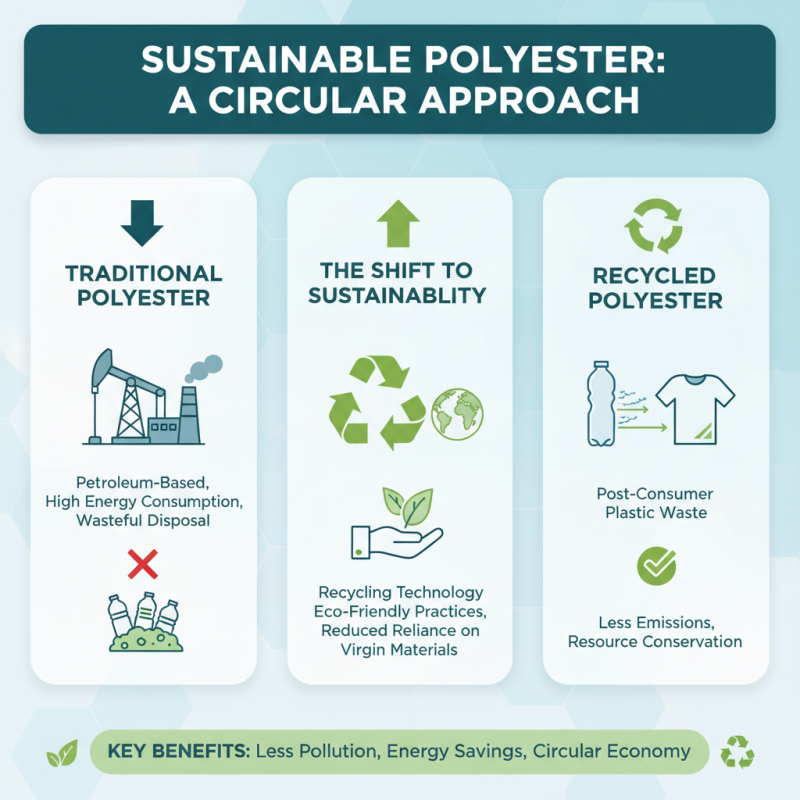
Sustainability has become a crucial consideration in the textile industry, particularly in the production of polyester fabrics. Traditionally, polyester has been criticized for its environmental impact, primarily due to its petroleum-based sources and the challenges associated with its disposal. However, advancements in recycling technology and eco-friendly practices have enabled manufacturers to produce more sustainable polyester options. By utilizing recycled polyester, derived from post-consumer plastic bottles and other waste materials, it's possible to reduce the reliance on virgin materials, thereby minimizing energy consumption and greenhouse gas emissions.
In addition to recycling, innovations in manufacturing processes have led to the development of eco-friendly polyester options. These methods often use less water and energy and have lower emissions compared to conventional polyester production. Furthermore, some manufacturers are now exploring biodegradable polyester, which breaks down more easily in the environment, offering a promising alternative to traditional synthetic fibers. By prioritizing sustainable polyester fabrics, consumers can make more eco-conscious choices that contribute to a circular economy and help reduce the overall environmental footprint of the textile industry.