How to Choose Recycled Polyester Fabric for Sustainable Fashion?
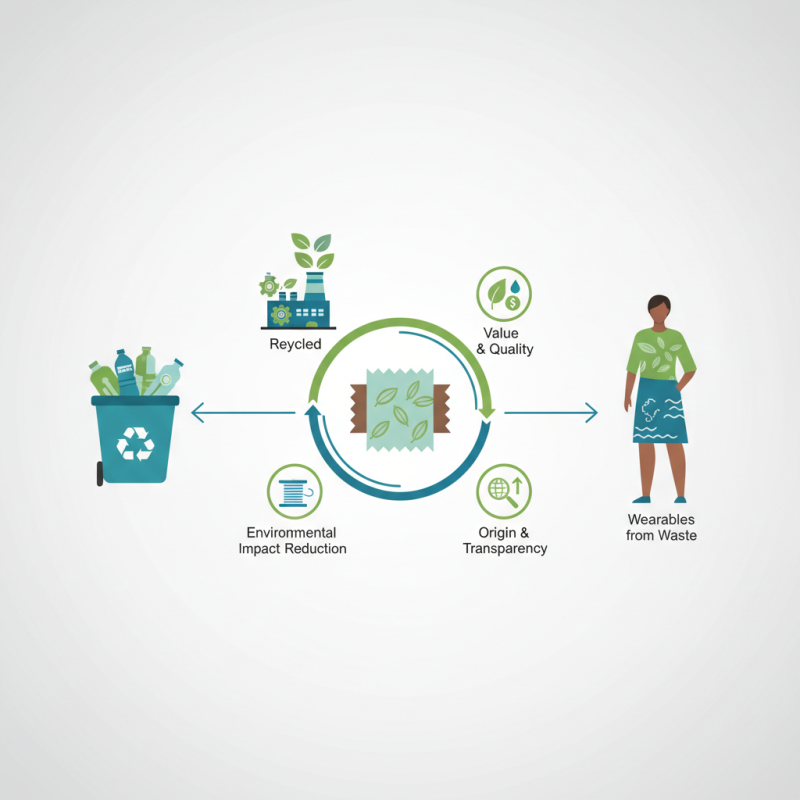
In the quest for sustainable fashion, choosing the right materials is crucial. Recycled Polyester Fabric stands out as a key player in this arena. Expert Jane Doe, a leading figure in sustainable textiles, stated, “Recycled Polyester Fabric transforms waste into wearables." This fabric not only repurposes plastic but also reduces environmental impact.
Sourcing Recycled Polyester Fabric involves understanding its origin and manufacturing process. Many brands tout sustainability, but transparency is vital. The lifecycle of the fabric matters. Each thread can tell a story, shaping the narrative of eco-conscious fashion.
However, not all Recycled Polyester Fabric is created equal. Some may contain harmful additives or lack proper certification. Shoppers must reflect on their choices and engage with brands. Mindful consumption encourages better practices in the industry. When selecting fabrics, the focus should be on quality and environmental responsibility.
Understanding Recycled Polyester: Definition and Benefits
Recycled polyester fabric has emerged as a popular choice in sustainable fashion. This material is made from post-consumer plastics, mainly water bottles. According to a report by the Textile Exchange, using recycled polyester can reduce energy consumption by up to 60% compared to virgin polyester. This translates to significant savings in fossil fuels mining and emissions.
The benefits of recycled polyester extend beyond the environment. It provides durability and moisture-wicking properties that are essential for activewear. In fact, products made from recycled polyester often have a lower ecological footprint. However, the recycling process is not flawless. It can generate microplastics that contribute to ocean pollution. Feeling great about your fashion choices is important, yet awareness of these issues is crucial.
Consumers should also ask questions about the source of recycled materials. Not all recycled polyester is created equal. Some fabrics may contain a mix of virgin and recycled fibers. This can dilute the positive impact. As the fashion industry evolves, understanding these nuances will guide more informed choices. It's vital to recognize the imperfections in the supply chain while striving for a greener wardrobe.
Assessing the Environmental Impact of Recycled Polyester Fabric
When considering recycled polyester fabric, it is crucial to assess its environmental impact. This material often starts as plastic bottles or discarded textiles. However, the process is not without its challenges. Producing recycled polyester requires energy and resources, leading to carbon emissions.
The recycling process itself can be inefficient. Not all plastics can be recycled into high-quality fabric. Sometimes, the result is a fabric that doesn’t perform well or lasts as long as virgin polyester. This can result in a cycle of waste rather than a solution. Carefully understanding these trade-offs is essential for sustainable fashion.
Moreover, the dyeing and finishing of recycled polyester can add more environmental stress. Chemicals used in these processes may pollute water sources. Consumers must be aware of the full lifecycle of the fabric. It’s vital to choose suppliers that prioritize eco-friendly practices. Weighing these factors can help ensure choices are genuinely sustainable.
Key Factors to Consider When Selecting Recycled Polyester
When selecting recycled polyester for sustainable fashion, several key factors come into play. An important consideration is the source of the recycled materials. According to a report by the Textile Exchange, about 50% of recycled polyester comes from plastic bottles. This highlights the need for brands to ensure a reputable supply chain. Transparency about sourcing is crucial.
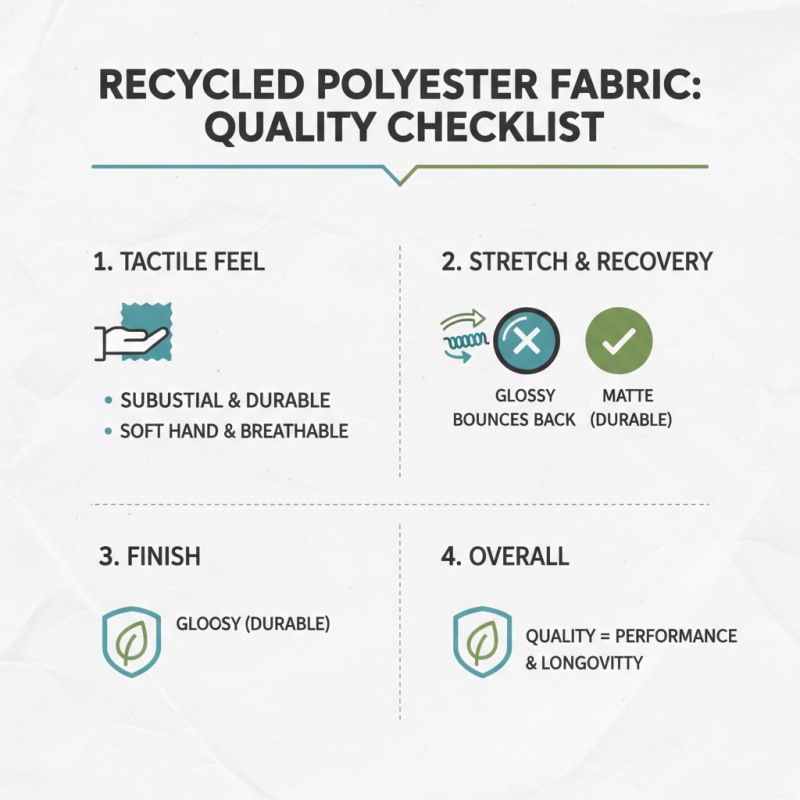
Quality is another vital factor. Not all recycled polyester is created equal. The Global Recycled Standard (GRS) emphasizes the importance of quality control. Some materials may not withstand repeated use, leading to more waste. It's essential to ask for certifications that ensure durability. Inferior quality may compromise the sustainability claim.
Eco-friendliness is often assessed through life cycle analyses. A study published by the Ellen MacArthur Foundation indicates recycled polyester can reduce carbon emissions by up to 32%. However, not all processing methods are efficient. Brands must evaluate their production processes to claim true sustainability. It's easy to get lost in the marketing jargon. Consumers should remain critical and demand clarity. The path to truly sustainable choices may not be straightforward.
How to Choose Recycled Polyester Fabric for Sustainable Fashion? - Key Factors to Consider When Selecting Recycled Polyester
| Criteria |
Importance |
Description |
| Material Source |
High |
Look for post-consumer or post-industrial sources for sustainability. |
| Fabric Quality |
High |
Ensure the fabric has the desired durability and feel for the intended use. |
| Certifications |
Medium |
Check for third-party certifications to verify environmental claims. |
| Production Process |
Medium |
Understand the manufacturing process and energy sources used. |
| Cost |
High |
Assess the cost-effectiveness without compromising quality and sustainability. |
| Availability |
Medium |
Check if the fabric can be sourced easily for consistent production. |
Sourcing and Certifications for Sustainable Recycled Polyester Options
When sourcing recycled polyester fabric for sustainable fashion, certifications play a crucial role. Certifications validate the environmental claims of manufacturers. According to a 2021 report by the Textile Exchange, around 25% of polyester is now made from recycled sources. However, the authenticity of these materials can be questionable without proper certification.
Look for certifications like Global Recycled Standard (GRS) or Recycled Claim Standard (RCS). These acknowledge the recycling process and confirm sustainable practices. But remember, not all certifications are created equal. Some may focus solely on end products, while others ensure the entire supply chain is eco-friendly. It's essential to investigate the nuances.
Though recycling polyester saves resources, challenges remain. The recycling process can sometimes consume as much energy as producing virgin fibers. Additionally, not all recycled polyester is created equal. It's essential to scrutinize sources, ensuring they prioritize environmental responsibility throughout production. With awareness, designers can make informed choices, contributing to a more sustainable fashion industry.
Recycled Polyester Fabric Types and Their Environmental Impact