How to Choose the Best Polyester Furniture Fabric for Durability?
Choosing the right polyester furniture fabric can significantly impact your home's longevity and aesthetic appeal. According to a recent report by the Furniture Research Association, polyester fabrics hold a remarkable reputation for durability. They resist stains, fading, and wear better than many other materials. In fact, around 70% of furniture manufacturers now prefer polyester for its excellent protective qualities.
Polyester furniture fabric is easy to clean and maintain, making it a favorite among busy households. Its ability to withstand daily use while maintaining its vibrant color makes it an excellent choice. However, not all polyester fabrics are created equal. Some may lack the resilience needed for high-traffic areas.
While embracing polyester, one must reflect on the balance between style and functionality. Cheap polyester options may present challenges. The fabric’s durability often depends on the quality of the fibers used. Thus, consumers should research and choose wisely. This choice can enhance both comfort and longevity in your living space.
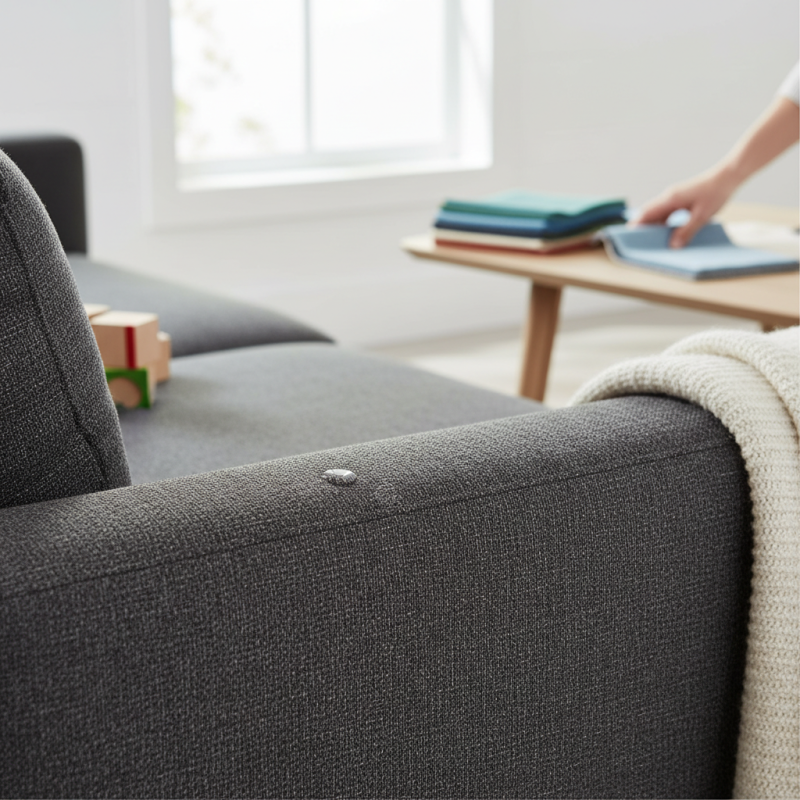
Understanding Polyester Fabric: Key Properties for Durability
Polyester fabric is highly regarded for its durability and resilience. This synthetic material is inherently strong and can withstand heavy use. According to industry reports, polyester fibers can resist abrasion and tearing, making them ideal for furniture that experiences wear over time. The average lifespan of polyester upholstery can reach up to six years, depending on the quality of the weave and construction.
One key property of polyester is its ability to resist stains. Unlike natural fabrics, polyester does not absorb spills easily. This feature makes it easier to clean and maintain. However, despite its stain resistance, some polyester fabrics can fade when exposed to direct sunlight for prolonged periods. This aspect can be a drawback for furniture placed near windows. Testing fabrics for UV resistance is essential to avoid unexpected costs in replacements.
Another important factor is breathability. While polyester is moisture-wicking, some dense weaves may trap heat, causing discomfort. Ideally, choosing a polyester blend can enhance breathability. This blend can provide the durability of polyester yet allow better air circulation. Ultimately, evaluating your lifestyle needs and the fabric's specific characteristics is crucial for making an informed choice.
Evaluating Fabric Weaves: The Impact on Strength and Longevity
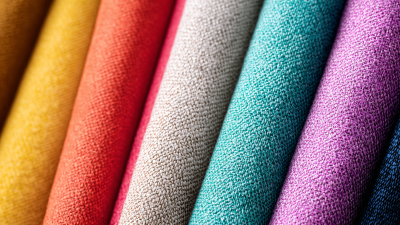
When choosing polyester furniture fabric, the weave can significantly affect durability. Different weaves offer various levels of strength and longevity. For instance, tight weaves tend to resist wear and tear better than looser ones. A tightly woven fabric can withstand everyday use without showing signs of damage. Meanwhile, looser weaves may feel softer but are often less durable.
Tips: Check the weave pattern closely. Look for signs of tightness and uniformity in the fabric. This can indicate a more robust construction. Additionally, consider how the fabric will be used. If your furniture is frequently used, opt for a tighter weave.
Another important aspect to consider is the finish on the fabric. Some polyester fabrics come with added coatings that enhance durability. However, these coatings might wear off over time. When examining fabric, touch and feel are essential. Does it feel sturdy? Or does it seem flimsy? Quality touches can guide your decision. Reflect on how these factors will impact your choice. Making the right decision can save you time and money down the road.
Durability Comparison of Various Polyester Fabric Weaves
Comparative Analysis of Polyester vs. Other Furniture Fabrics
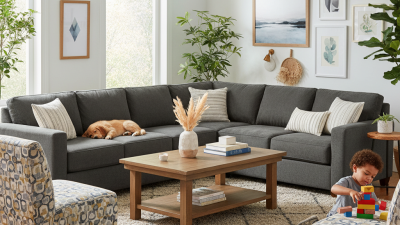
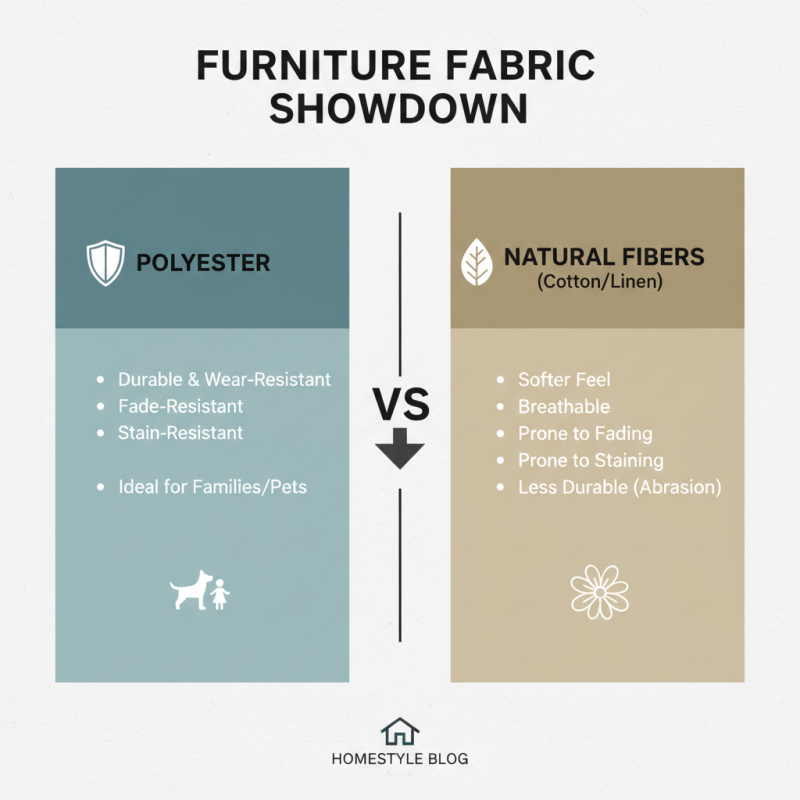
When considering furniture fabrics, polyester stands out for its unique properties. It’s known for being durable and resistant to wear. Yet, how does it compare to natural fibers like cotton or linen? Polyester is less prone to fading and staining. This makes it an appealing option for families and pet owners.
On the other hand, natural fabrics often offer better breathability. Cotton feels soft and comfortable against the skin. However, it can absorb stains easily and may require more upkeep. When it comes to maintenance, polyester wins. It's easier to clean and often machine washable. But it lacks the natural feel that many seek in a home.
Choosing fabric isn't just about durability. It's about comfort and style too. While polyester is practical, some might miss the texture of linen or the classic look of wool. Each material has its pros and cons. Opting for the best fabric depends on your lifestyle and preferences. Consider where the furniture will be used. It’s essential to balance durability with overall aesthetic.
Assessing Durability Ratings: Industry Standards for Upholstery Fabric
When selecting polyester furniture fabric, durability is pivotal. Understanding industry standards helps consumers make informed choices. Durability ratings often involve testing against wear and tear. The Martindale test is widely used. Fabrics receive a score based on abrasion resistance. Typically, a rating over 15,000 rubs indicates strength.
For upholstery fabrics, a high rub count doesn't guarantee lasting performance. Factors like the thread count, weave type, and finish impact durability. A low-density fabric may appear appealing but can wear quickly. Additionally, polyesters varied in quality. Some recycled types might lack robustness compared to virgin polyester.
Awareness of cleaning and maintenance is crucial too. Even durable fabrics can succumb to stains and fading. Regular cleaning minimizes long-term damage. Choosing fabrics treated for stain resistance can be beneficial. However, over time, treatments may wear off, necessitating a reevaluation of care methods. Make sure to consider lifestyle and usage patterns when assessing durability for your specific needs.
How to Choose the Best Polyester Furniture Fabric for Durability? - Assessing Durability Ratings: Industry Standards for Upholstery Fabric
| Fabric Type |
Durability Rating (Martindale) |
Abrasion Resistance Rating |
Weather Resistance |
Maintenance Level |
| Standard Polyester |
15,000 - 30,000 |
Moderate |
Low |
Easy |
| High-Density Polyester |
30,000 - 50,000 |
High |
Moderate |
Moderate |
| Polyester Blend |
20,000 - 40,000 |
Average |
High |
Easy |
| Solution-Dyed Polyester |
50,000+ |
Very High |
Excellent |
Minimal |
Maintenance Tips: Extending the Lifespan of Polyester Furniture Fabric
Taking care of polyester furniture fabric is essential for longevity. According to the Fabric Care Institute, regular maintenance can extend the lifespan of polyester by up to 30%. Simple actions can make a significant difference. Regular vacuuming removes dust and dirt. This prevents particles from embedding in the fabric fibers, which can lead to wear over time.
Spot cleaning is crucial when spills occur. A solution of mild soap and water works well. Dab the area gently; avoid rubbing too hard. This can cause the fibers to fray or fade. For deeper cleaning, professional upholstery cleaning is advisable at least every 12-18 months. Some sources indicate this can rejuvenate the fabric and improve its overall look.
While polyester is known for its durability, it is not immune to fading from direct sunlight. Positioning your furniture away from windows can protect the fabric. Use window treatments to block UV rays. It’s a step often overlooked in home decor. Being proactive can maintain the vibrant colors of your furniture, preventing premature aging. Embracing these tips creates a healthier environment for your living space.