How to Choose the Best Polyester Fabric for Your Needs?
When selecting the right polyester fabric, many factors come into play. Polyester fabric is known for its durability and versatility, making it a popular choice in various applications. However, not all polyester fabrics are created equal. Understanding the specific needs of your project can greatly influence your decision.
Different types of polyester fabric vary in texture, weight, and breathability. For instance, some are perfect for outdoor gear due to their resistance to fading and moisture. In contrast, others work better for casual wear, offering comfort and ease. It is essential to assess what qualities matter most for your intended use.
Moreover, consider the environmental impact of polyester fabric. While it offers numerous benefits, such as cost-effectiveness and easy care, its production can be an issue. Reflecting on these aspects can lead to a more informed choice. Ultimately, the best polyester fabric for you hinges on weighing its advantages against your specific needs and concerns.

Understanding the Different Types of Polyester Fabrics Available
When selecting polyester fabric, understanding its different types is vital. There are various polyester options, each serving different purposes. For instance, durable polyester is suitable for outdoor gear. It withstands elements well and offers longevity. On the other hand, micro-polyester feels soft against the skin, making it ideal for activewear. This fabric wicks moisture, enhancing comfort during exercise.
Another type, recycled polyester, appeals to eco-conscious consumers. It's made from plastic bottles, promoting sustainability. While its quality may vary, many find it durable and functional. Blended fabrics combine polyester with natural fibers, like cotton. This combination offers breathability and softness, which can be desirable for everyday clothing. However, the mix can also result in less durability in some cases.
Choosing polyester fabric requires careful thought. Assess your needs and consider each fabric's properties. Different projects may necessitate different qualities. You might prefer one type for fashion and another for utility. Understanding these nuances can lead to better choices. It's important to test samples. This simple step ensures the right fit for your specific needs.
Key Factors to Consider When Choosing Polyester Fabric
When choosing polyester fabric, consider its weight. Lighter fabrics are breathable, ideal for summer wear. Heavier polyester offers durability, making it suitable for outdoor gear. The weight impacts comfort and functionality, so think about your specific needs.
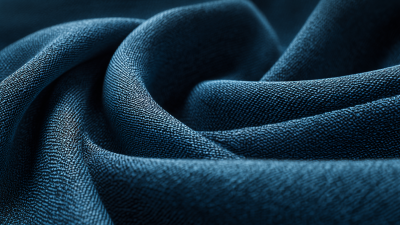
Texture is another important factor. Some polyester fabrics feel smooth and soft, while others may be rough. This difference can affect how the fabric drapes and wears over time. Consider how the texture interacts with your skin and other materials.
Look at the fabric's weave patterns too. A tighter weave offers more durability and resistance to wear. Looser weaves can be more comfortable but may not hold up as well over time. Each choice has trade-offs that require careful consideration. Analyze your requirements and make informed decisions.
Choosing the Best Polyester Fabric: Key Factors to Consider
Evaluating the Durability and Care Requirements of Polyester Fabrics
When evaluating polyester fabrics, durability is key. Polyester is known for its strength, resisting stretching and shrinking. It can withstand wear and tear better than many other fabrics. When you need fabric for activewear or upholstery, polyester might be ideal. However, it can feel less breathable, especially in warmer weather.
Caring for polyester is relatively straightforward. Washing it in cool water helps maintain its shape and color. Tumble drying on low heat is usually sufficient, but avoid high temperatures to prevent damage. Remember, fabric softeners may reduce its moisture-wicking capability. So, skip them when washing activewear.
Tips: Pay attention to the weight of the fabric. Heavier polyester tends to be more durable. Check the care label to understand cleaning requirements clearly. Every fabric has its strengths and weaknesses, so consider your specific needs. Choosing the right polyester can be a balance of performance and maintenance. Reflect on how you plan to use the fabric to make an informed choice.
Assessing the Comfort and Breathability of Polyester Materials
Choosing the right polyester fabric isn't just about durability and cost. Comfort and breathability are crucial factors that significantly impact the wearer's experience. According to industry reports, breathable polyester can enhance airflow, making it ideal for clothing and activewear. A study from the Textile Institute found that fabrics with higher moisture-wicking properties can reduce sweating by up to 30%. This aspect is particularly important for athletic apparel, where comfort directly influences performance.
However, not all polyester fabrics are created equal. Some may feel scratchy against the skin, while others are soft and luxurious. It's vital to consider the fabric's denier, which affects its texture. A lower denier indicates a finer, softer fabric. In contrast, high-denier polyesters may offer durability but can compromise comfort. Moreover, the weave of the material plays a critical role. Loose weaves contribute to breathability but can sacrifice strength. Understanding these nuances can prevent dissatisfaction with your fabric choice.
Reflecting on sustainability, it's worth noting that not all polyester fabrics are environmentally friendly. Many polyester options are produced using non-biodegradable materials. This reality poses ethical questions for consumers who prioritize eco-friendly products. Evaluating the comfort and breathability of polyester choices must go hand in hand with consideration for their ecological impact.
Exploring Eco-Friendly Options in Polyester Fabric Selection
When choosing polyester fabric, eco-friendly options are essential. Many polyester products are derived from recycled materials. This process significantly reduces waste. Using recycled polyester saves energy and decreases greenhouse gas emissions. Choosing fabric made from post-consumer waste is a positive step toward sustainability.
However, not all recycled polyester is equal. Some fabrics may still undergo harmful chemical processes. It's important to check certifications. Look for fabrics with labels indicating eco-friendly practices. Certifications like Global Recycled Standard ensure a lower environmental impact. This adds reliability to your selection.
Consider the lifecycle of the fabric. How will it wear over time? Will it be recyclable again? Understanding these factors helps in making informed choices. Remember, the perfect fabric might not exist. There will always be trade-offs between performance and sustainability. Engaging in this reflection can lead to better decisions for both you and the environment.