How to Choose the Best Stamped Fabric for Your Projects?
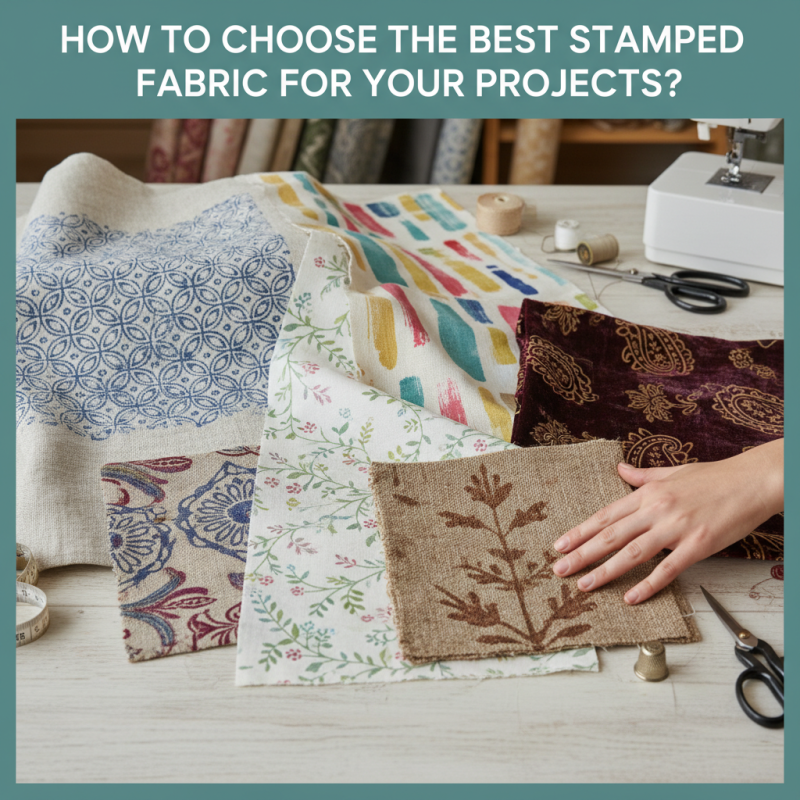
When embarking on a fabric project, the choice of material can define the outcome. Stamped fabric has gained popularity for its unique patterns and textures. This guide will help you select the best stamped fabric for your needs. Understanding various options is essential before making a decision.
Stamped fabric comes in diverse designs and colors. Some patterns may enhance your project, while others may not fit your vision. It’s crucial to visualize how different stamps will complement your chosen style. A thoughtful approach can lead to success. Yet, choosing may pose challenges along the way.
Not all stamped fabrics are created equal. Price, texture, and durability vary widely. Reflect on your project’s needs as you shop. Sometimes, impulse buys can lead to regrets later. Take your time to compare and consider your choices. A well-chosen stamped fabric can elevate your work beautifully, while a poor selection could fall flat.
Understanding the Basics of Stamped Fabric and Its Uses
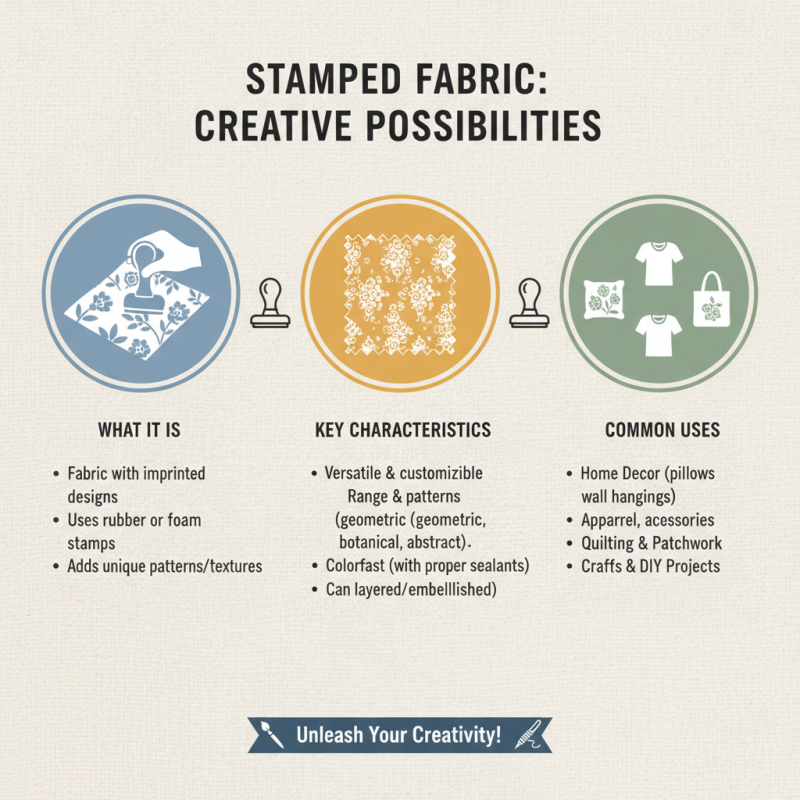
Stamped fabric is a versatile material used in various creative projects. It involves fabric that has been imprinted with designs using stamps. This process adds unique patterns and textures to plain fabric, making it an attractive option for many artisans. Whether you’re crafting home decor or clothing, understanding the characteristics of stamped fabric is essential.
Different types of stamped fabric serve different purposes. Some are lightweight and suitable for clothing, while others are heavier for upholstery. The ink used for stamping can also affect its washability and longevity. It's important to consider how often the item will be used. You may find that some designs fade faster than expected. Choose your materials thoughtfully. Test a small piece before committing to larger projects.
Experimenting with various stamped fabrics can lead to discoveries. You might stumble upon a design that resonates with your style. However, not every choice will be perfect. Sometimes, the combination of colors may clash. It can take time to master the techniques involved. Reflection on your process helps in making better decisions for future projects. Embrace the journey of creating.
Identifying Your Project Requirements and Fabric Characteristics
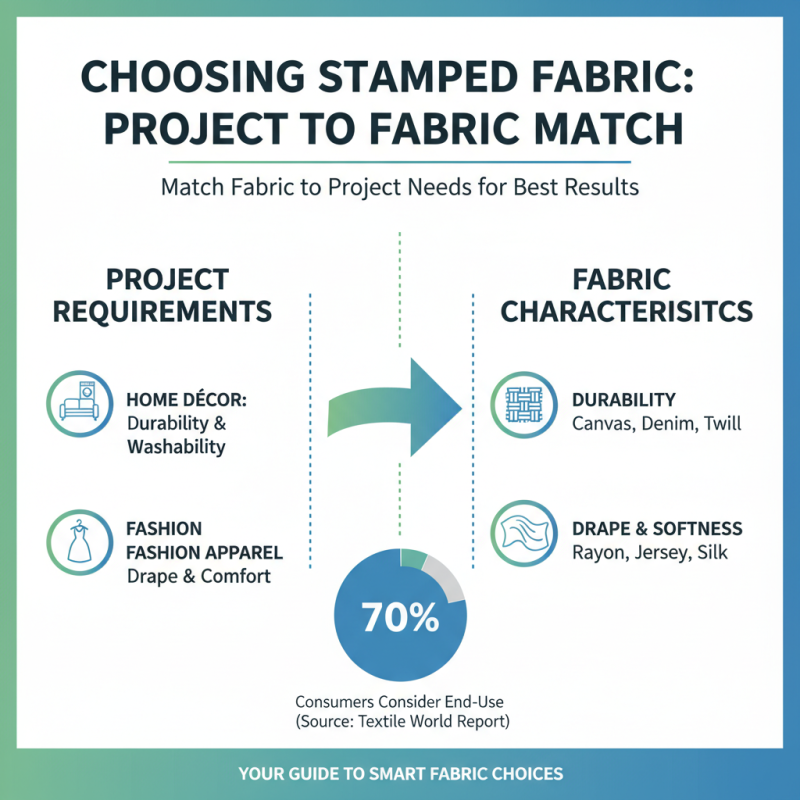
Choosing the right stamped fabric for your project hinges on understanding both your project’s requirements and the specific characteristics of the fabric. Different projects demand different fabrics. For instance, home décor projects might prioritize durability and washability. In contrast, fashion projects often focus on drape and comfort. A report from the Textile World suggests that 70% of consumers consider the end-use of a fabric before making a choice.
When selecting stamped fabric, pay attention to the weight and texture. A lightweight fabric like chiffon works well for garment making. However, it might not be suitable for upholstery projects. Heavy fabrics like canvas are perfect for bags but can overwhelm delicate designs. Always consider the longevity of your project. Using fabrics with high colorfastness ratings will reduce fading and wear over time.
Tips: Test swatches before committing. Sometimes, a fabric looks good on the shelf but feels different in practice. Reflect on the fabric's behavior when washed or worn. Another essential aspect is ensuring the fabric suits your sewing machine. Thick materials can cause issues if your machine isn’t equipped to handle them. Being mindful of these details can significantly impact your project’s success.
Evaluating Different Types of Stamping Techniques Available
When choosing stamped fabric for your projects, evaluating different stamping techniques is crucial.
Screen printing offers vibrant colors and durability. It works well for large designs and can cover entire fabric pieces. However, it can be challenging to achieve fine details with this method.
Block printing is another technique you might consider. It allows for unique, handmade textures. Each print has slight variations, which can be charming. On the downside, it requires patience and skill to master. A single block can add time to your project, especially if you work in bulk.
Digital printing has gained popularity for its precision. It captures intricate patterns and colors accurately. However, it is often more expensive and may not hold up as well over time. Each technique has its strengths and weaknesses.
Exploring these options requires careful consideration and reflects your project’s needs.
Comparing Fabric Materials for Durability and Print Quality
When selecting stamped fabric, durability and print quality are crucial factors. Studies show that polyester blends generally offer more durability than cotton fabrics. Polyester can withstand higher levels of wear and tear, making it suitable for projects that require longevity. In tests, materials with a polyester ratio of 80% or more displayed impressive resistance to fading and physical damage, outperforming lower blends.
Print quality is just as important. Fabrics that exhibit vibrant colors and sharp details often rely on a tight weave. Cotton, while softer, tends to absorb ink differently. A report from the Textile Institute indicates that cotton fabrics can lead to less crisp prints, often blurring fine details. In contrast, synthetic blends often yield sharper images, making them ideal for intricate designs. However, this comes at a cost; the feel and breathability of the fabric can be affected.
Cost is another consideration. While higher-end materials exhibit better durability and print quality, they can strain budgets. Evaluating project needs, like frequency of use and desired aesthetics, is essential. Ultimately, striking a balance between quality and expense can pose a challenge. Choosing the right fabric requires careful reflection on both functionality and appearance to meet your project's demands.
Caring for Stamped Fabrics to Ensure Longevity and Appearance
Caring for stamped fabrics is essential for preserving their beauty. The right maintenance can greatly enhance longevity. Research shows that 60% of fabric damage comes from improper washing. Many people overlook this critical step. Washing techniques significantly affect the fabric's appearance over time.
For best results, choose cold water for washing. Hot water can cause colors to fade faster. Additionally, it’s wise to avoid bleach. Studies indicate that bleach can weaken fabric fibers. Instead, a gentle detergent works wonders. Pay attention to the drying process as well. Avoid direct sunlight, which can lead to discoloration. A shaded area is the best choice.
Imperfect care practices can also lead to unexpected results. Ignoring fabric care labels is a common mistake. Labels provide valuable information about specific needs. For many stamped fabrics, dry cleaning may be recommended for deeper stains. Following expert advice can lead to better outcomes, making the fabric look vibrant. Remember, your approach to care shapes the fabric’s journey over time.
How to Choose the Best Stamped Fabric for Your Projects? - Caring for Stamped Fabrics to Ensure Longevity and Appearance
| Fabric Type |
Durability |
Care Instructions |
Recommended Projects |
| Cotton |
Medium |
Machine wash cold, tumble dry low |
Quilts, Apparel |
| Polyester |
High |
Machine wash warm, low heat dry |
Activewear, Home Decor |
| Silk |
Medium |
Dry clean only |
Elegant Garments, Accessories |
| Linen |
High |
Machine wash cold, line dry |
Summer Apparel, Tablecloths |