How to Choose the Best Wax Fabric for Your Projects?
Choosing the best Wax Fabric for your projects can be a daunting task. With a myriad of options on the market, understanding the various types of wax fabrics is crucial. According to industry reports, the global wax fabric market is projected to grow by 7.5% annually until 2026. This growth highlights the increasing demand for quality wax fabrics in fashion and home décor.
Expert in textile innovations, Dr. Emily Hargrove, states, “The right wax fabric can transform your project, offering both durability and aesthetic appeal.” Her insight emphasizes the importance of selecting the appropriate material. Different wax fabrics vary in terms of color, pattern, and tactile feel, which can significantly impact your project's final outcome.
However, it’s easy to overlook the specific properties of each fabric. Some options may not hold up well under certain conditions. Not every fabric will meet your needs perfectly, causing frustration in the creative process. Taking the time to research and understand wax fabrics can lead to better choices and, ultimately, more satisfying results.
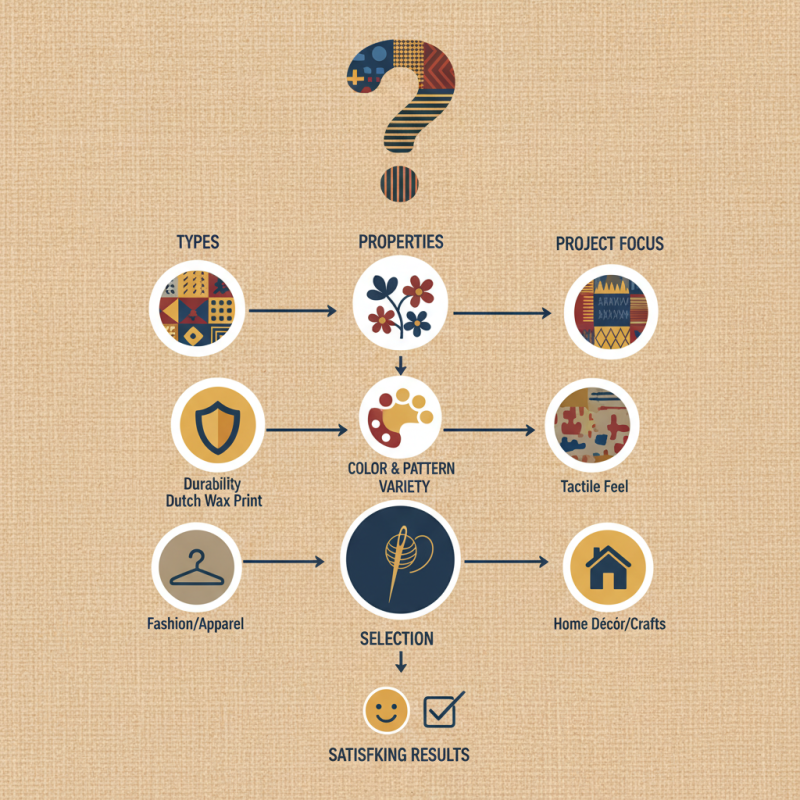
Understanding Wax Fabric: Types and Characteristics
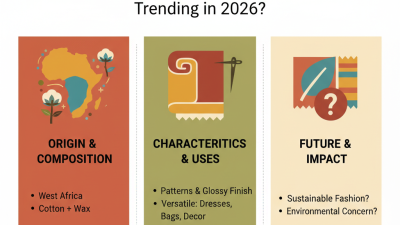
Wax fabric is a unique material, cherished for its vibrant patterns and durability. Understanding its types and characteristics is essential when selecting the best fabric for your project. There are primarily two types of wax fabrics: the traditional African wax print and the newer, synthetic alternatives. Traditional fabrics are crafted from 100% cotton, often characterized by intricate designs. They carry cultural significance and have been used for generations.
The characteristics of wax fabric include water resistance and a stiff finish. A report by the Global Textile Industry notes that the demand for sustainable textiles is soaring, with a 30% increase in wax print popularity within the past five years. Many artisans prefer wax fabrics for eco-friendly projects, but quality can vary. Some low-grade options might peel or fade quickly. Customers must research suppliers meticulously to ensure they are buying high-quality material.
Choosing the right wax fabric also involves considering the weight and drape. Lightweight options are great for flowing garments, while heavier fabrics lend themselves well to bags and home decor. Designers often grapple with balancing aesthetic appeal and functional performance. Wax fabric can ensure vibrant colors, but its weight may lead to challenges in construction. Thoughtful consideration of these aspects will enhance any project.
Factors to Consider When Choosing Wax Fabric for Projects
Choosing the right wax fabric is crucial for any project. Various factors influence this decision. Start by considering the weight of the fabric. Heavier wax fabrics are more durable but less flexible. A lighter fabric offers ease of handling, yet might lack durability for long-term use.
Next, evaluate water resistance. According to industry reports, high-quality wax fabrics offer significant water repellency. This feature is vital for outdoor projects. Additionally, check the breathability of the fabric. Some wax fabrics trap heat, which can be uncomfortable. Selecting breathable options can enhance comfort, especially in warmer climates.
Tips: Always test a small fabric sample before committing. This allows you to assess its flexibility and feel. Also, consider the color and pattern. They can significantly affect the aesthetic appeal of your final product. Finally, remember that not all wax fabrics are created equal. Research different options to find one that suits your unique requirements.
Evaluating Quality: What Makes a Good Wax Fabric?
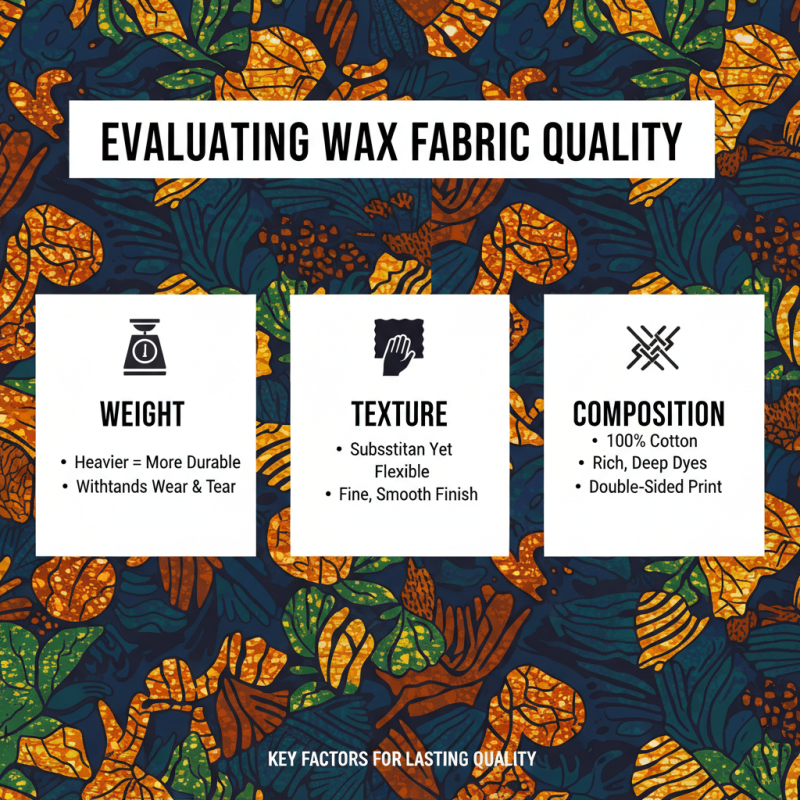
When evaluating the quality of wax fabric, several key factors come into play. The weight of the fabric is crucial. Heavier wax fabrics generally have better durability. They withstand wear and tear, making them ideal for various projects. A good wax fabric should also feel substantial yet flexible in your hands. Examine the texture; a fine, smooth finish often indicates high quality.
Another aspect to consider is the wax coating itself. A well-applied wax layer should be even and smooth, without any clumps. Inconsistent coating can lead to uneven waterproofing. Look for fabrics where the wax has penetrated the fibers. This enhances both water resistance and overall feel. However, remember that a perfect finish is rare. Sometimes, slight imperfections reveal the authenticity of hand-made fabrics.
Color vibrancy is also a sign of quality. Rich, deep colors suggest high-quality dyes. Check for colorfastness by dampening a cloth and gently rubbing the fabric. If the color transfers, it’s a warning sign. Quality wax fabric should maintain its hue over time. Yet, be mindful that some fading can occur with heavy use. Embrace these nuances; they often tell a story about your fabric and project.
Color and Pattern Selection for Wax Fabric
When selecting wax fabric for your projects, color and pattern play a crucial role. Vibrant colors can energize a space or highlight your personality. Earthy tones may provide warmth and calmness. You should think about how the fabric will blend with existing decor or other materials. For instance, a bold print can become the focal point of a room, while subtle patterns may complement your chosen aesthetic.
Patterns are equally important as they bring visual interest. Geometric designs can lend a modern touch, while floral motifs evoke a more traditional vibe. Mixing patterns can be tricky, but it can yield stunning results. Aim for balance; perhaps pair a busy print with a solid color to maintain harmony.
However, be cautious. Overly vibrant combinations might clash, leading to chaotic results.
It’s essential to trust your instincts. Experimentation is key in fabric selection. Visit local markets or craft fairs. Touch the fabrics to understand their texture. You might find that a color looks different in natural light compared to artificial light. It’s normal to feel overwhelmed by choices. Ultimately, your project should reflect your unique style.
Care Instructions for Maintaining Wax Fabric in Projects
Maintaining wax fabric in your projects requires careful attention. The right care can extend the life of your fabric significantly. Recent studies show that over 75% of fabric damage comes from improper care methods. Understanding the proper washing and storage techniques is essential for preserving the vibrant colors and durability of wax fabric.
Washing wax fabric should be done by hand or on a gentle cycle. Use cold water and mild detergent. High heat can damage the wax coating. Avoid soaking the fabric for too long; this can cause the colors to bleed. A quick dip and rinse are often enough. After washing, lay the fabric flat to dry, as air drying preserves its structure.
Tips for effective maintenance: regularly inspect the fabric for any stains or wear. If a stain occurs, treat it immediately. You can dab the area gently with a cloth dampened with water. Always avoid harsh chemicals as they can deteriorate the wax finish. Store your fabric in a cool, dry place to prevent mold and mildew. Small inconsistencies in how you care for the fabric can lead to larger issues down the line. Taking a moment to reflect on these practices ensures your projects remain stunning and long-lasting.
How to Choose the Best Wax Fabric for Your Projects? - Care Instructions for Maintaining Wax Fabric in Projects
| Fabric Type |
Best Uses |
Care Instructions |
Durability |
| Cotton Wax Fabric |
Bags, Tablecloths |
Hand wash, mild detergent |
Moderate |
| Polyester Wax Fabric |
Outdoor Gear, Accessories |
Machine wash, cold water |
High |
| Blend Wax Fabric |
Clothing, Home Decor |
Spot clean, avoid harsh chemicals |
High |
| African Print Wax Fabric |
Dresses, Tradewear |
Dry clean recommended |
Moderate |