inquiry
Leave Your Message

Top Coated Polyester Fabric Manufacturers in China

I can write the introduction, but no article or verifiable expert quotation was provided. To avoid inventing a quote or misattributing one, please share the expert’s name and a source for the statement.
Top Coated Polyester Fabric Manufacturers in China

What Coated Polyester Fabric Is and How It Is Made

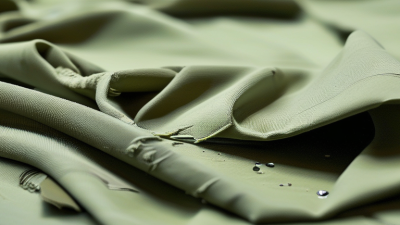
Coated polyester fabric starts with a polyester base cloth, made by weaving or knitting yarns into a stable structure. The cloth is cleaned and dried so the coating can bond evenly. A liquid polymer layer is then spread across one or both sides, often with a knife or roller. It may also be laminated as a thin film. Heat curing sets the layer; tension and temperature need close control. Too much heat can distort the fabric. Small defects matter.

The coating changes how the fabric performs. Polyurethane coatings can add flexibility and water resistance, while other polymers may suit tougher or more rigid applications. The right choice depends on the intended use, desired hand feel, and expected wear. A coated sample should be checked for thickness, adhesion, flexibility, and surface consistency. A neat surface alone proves little.

Textile Exchange’s Materials Market Report 2024 estimates that global fiber production reached 124 million tonnes in 2023, with polyester accounting for 57% of total production. This gives useful context for polyester’s scale, but it does not measure coated-fabric output or quality. Those figures are easy to confuse. Coating weight, fabric construction, and curing conditions can vary widely, so buyers should request product-specific test results rather than rely on fiber-market data alone.

Common Coatings, Performance Features, and Applications

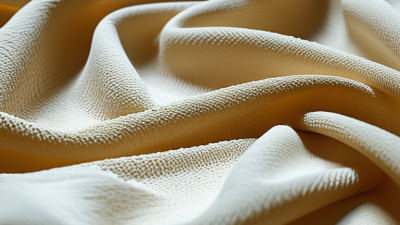
Coated polyester fabric combines a woven polyester base with a surface layer that changes how it handles water, abrasion, and sunlight. Common coatings include polyurethane (PU), polyvinyl chloride (PVC), acrylic, and silicone. PU is often chosen for flexibility and a softer hand, while PVC can provide a heavier, durable barrier. Acrylic coatings may improve outdoor color retention. The result depends on formulation and coating weight, not just the coating name.

Performance should match the end use. A rain cover may need water resistance and sealed seams; a truck cover may need stronger abrasion resistance and reinforced edges. Check hydrostatic pressure, tear strength, coating adhesion, and UV-aging results on product data sheets. Ask for samples, too. Feel the fabric and inspect its reverse side. A stiff sample may be harder to fold, even if its barrier performance looks impressive on paper.

In China, coated polyester manufacturers serve markets ranging from luggage and tents to awnings, protective covers, and industrial curtains. For outdoor use, clarify whether testing reflects prolonged sun exposure, not only a brief lab check. Ask about fabric weight, width, color consistency, and inspection frequency between production batches. Specifications can sound precise yet leave room for interpretation. I would verify the intended test method before comparing supplier claims.

Overview of China’s Coated Polyester Fabric Industry

China’s coated polyester fabric industry combines large-scale weaving with specialized finishing. Textile manufacturers in provinces such as Zhejiang and Jiangsu produce base cloth, then apply coatings to meet different performance needs. Common options include PVC, PU, acrylic, and TPU, each offering a different balance of flexibility, weather resistance, and cost.

Applications range from truck covers and outdoor furniture to bags, tents, and industrial protective materials. Buyers typically compare fabric weight, coating thickness, adhesion, water resistance, and color consistency.

Test samples under realistic conditions. A fabric that performs well indoors may behave differently after repeated folding, sunlight, or temperature changes. Production capacity is important, but consistent inspection matters just as much.

The supply chain can support customized colors, widths, and finishes, though lead times may shift with order size and raw-material availability. Clear specifications reduce avoidable mismatches.

Details matter. Still, published test figures do not always reflect long-term use, and buyers should verify critical properties with independent testing when needed. Some product descriptions remain broad; asking for measurable standards is a sensible safeguard.

Leading Coated Polyester Fabric Manufacturers in China

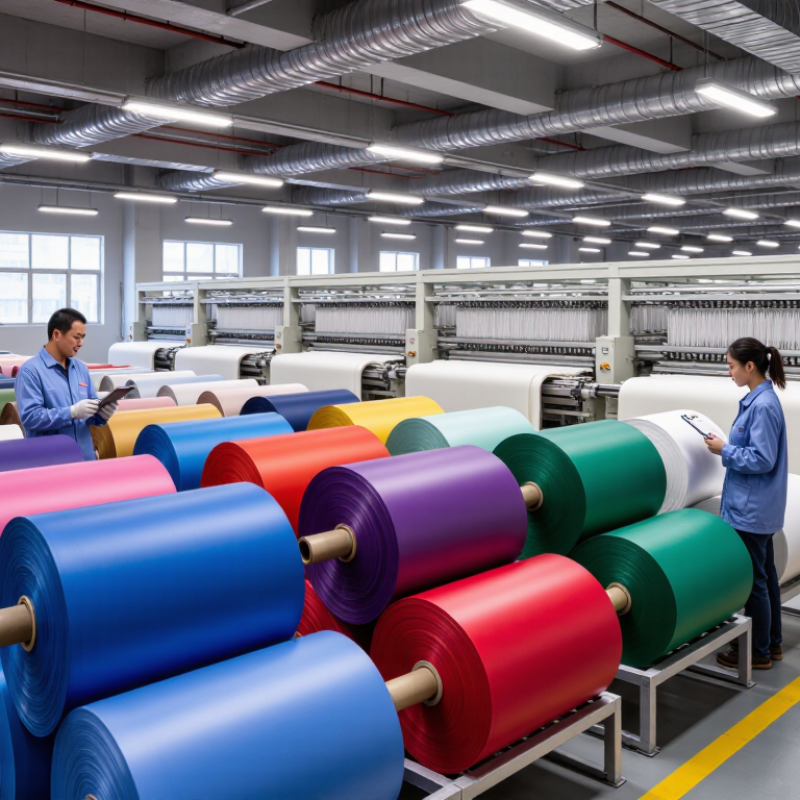
Leading coated polyester fabric manufacturers in China are evaluated by process control, not catalogue size alone. Strong suppliers can coordinate greige weaving, dyeing, coating, and final inspection. Some factories manage every stage; others rely on qualified partners. Buyers should ask which steps happen on-site.

Demand makes capacity relevant. Textile Exchange’s Materials Market Report 2024 estimates that global fiber production reached 124 million tonnes in 2023, with polyester representing 57%. That figure covers all polyester fibers, not coated fabrics, but it signals the scale of the material supply chain. Chinese manufacturers commonly offer PU or PVC coatings for bags, outdoor covers, and industrial uses. Ask for the coating weight, fabric construction, and test conditions—not just a headline waterproof rating.

Useful checks include hydrostatic pressure under ISO 811, tensile strength under ISO 1421, and flex cracking under ISO 7854 when relevant to the end use. Request recent reports tied to the exact fabric specification. Inspect coating uniformity under angled light; pinholes and uneven edges can be easy to miss. A clean sample can still mislead. Results may vary between production lots, and that deserves honest discussion before an order is placed.

Top Coated Polyester Fabric Manufacturers in China - Leading Coated Polyester Fabric Manufacturers in China

Product Category Typical Coating Common Fabric Construction Typical Applications Relevant Test Methods Key Specification Checks
Flexible PVC-Coated Polyester Polyvinyl chloride (PVC), often with a formulated surface finish Woven polyester base cloth; available in a broad range of weights and coating thicknesses Truck covers, tarpaulins, tents, temporary structures, and industrial curtains ISO 1421 for tensile properties; ISO 2411 for coating adhesion; ISO 4674-1 for tear resistance Total fabric weight, tensile and tear strength, coating adhesion, flexibility, and temperature suitability
PU-Coated Polyester Polyurethane (PU), applied as a coating or laminated layer Lightweight woven polyester, commonly selected for foldable and portable products Rainwear, backpacks, outdoor equipment, protective covers, and lightweight shelters ISO 811 for resistance to water penetration; ISO 4920 for surface wetting; ISO 1421 for tensile properties Hydrostatic resistance, coating continuity, flexibility, seam performance, and abrasion requirements
Silicone-Coated Polyester Silicone elastomer, typically applied to one or both sides Woven polyester fabric selected according to strength, weight, and end-use requirements Technical covers, outdoor equipment, release applications, and selected high-performance uses ISO 1421 for tensile properties; ISO 4674-1 for tear resistance; application-specific heat and aging tests Coating adhesion, tear strength, temperature exposure, flexibility, and compatibility with joining methods
Acrylic-Coated Polyester Acrylic polymer coating or finish Woven polyester base cloth, with construction chosen for the required outdoor service Awnings, shade products, outdoor furnishings, and decorative protective fabrics ISO 105-B02 for colour fastness to light; ISO 1421 for tensile properties; ISO 4920 for surface wetting Colour fastness, weathering performance, water repellency, dimensional stability, and appearance
Flame-Retardant Coated Polyester PVC, PU, or another coating system with a specified flame-retardant formulation Woven polyester base cloth; performance depends on the complete fabric and coating construction Event structures, public-space partitions, transport interiors, and industrial curtains Applicable national or end-use fire test; ISO 1421 for tensile properties; ISO 2411 for coating adhesion Required fire classification, test specimen conditioning, smoke requirements where applicable, and batch traceability
High-Visibility Coated Polyester Protective coating combined with fluorescent or retroreflective components where specified Woven polyester selected to meet the garment or equipment design requirements Safety garments, workwear, traffic-control products, and visibility accessories Applicable high-visibility garment standard; ISO 105-B02 for colour fastness to light; ISO 1421 for tensile properties Colour performance, retroreflective performance when present, wash durability, coating integrity, and labeling

Specifications vary by fabric construction, coating formulation, finishing process, and intended use. The test methods listed are examples for product evaluation; applicable requirements should be confirmed for the destination market and end application.

How to Evaluate and Compare Chinese Manufacturers

Comparing Chinese coated polyester fabric manufacturers requires more than checking quoted prices. Start with the intended use: outdoor covers, bags, and industrial curtains need different coating weights, tear strength, and flexibility. Ask each supplier to quote the same construction, including yarn count, base-fabric weight, coating type, finished width, and color tolerance. Otherwise, low quotes may describe unlike materials. A neat spreadsheet helps. It is not proof.

Request a recent production sample, not only a showroom swatch. Bend the fabric repeatedly, then inspect its edges for peeling, pinholes, and uneven gloss. Ask how thickness and weight are checked across a roll, and whether inspection records are available. Confirm which tests are performed in-house and which use an independent laboratory. Samples can mislead. Lot-to-lot consistency matters more.

Evaluate manufacturing capability through a small trial order. Track sample approval, production updates, packaging, and delivery against written dates. Ask how defects are isolated and replaced; a clear answer is more useful than a broad quality promise. Compare payment terms and minimum order quantities alongside price. Discuss tolerances before purchasing, since “custom” does not mean identical. A supplier may communicate well yet lack the coating line or capacity you need. That detail is easy to miss. Keep notes factual, including unanswered questions. No factory is perfect.

Top Coated Polyester Fabric Manufacturers in China: How to Evaluate and Compare

Suggested buyer-priority weights for comparing suppliers—not measured market data or ratings of specific manufacturers.

Prioritize application-specific performance tests, production consistency, and verifiable documentation. For example, ISO 811 covers hydrostatic-pressure testing, ISO 2411 covers coating adhesion, and ISO 12947 covers abrasion resistance. Confirm applicable test methods and acceptance limits for your intended use; requirements vary by product and market.