10 Essential Tips for Choosing Polyester Stripe Fabric for Your Projects?
In recent years, the use of Polyester Stripe Fabric has surged in various textile applications. According to the latest industry report by Freedonia Group, the global demand for polyester fabrics is expected to increase by over 4% annually through 2025. This rise reflects polyester's versatility and affordability, making it a preferred choice among designers and manufacturers alike.
When selecting Polyester Stripe Fabric, numerous factors must be considered. Its durability is one major advantage, as polyester is known to resist wrinkles and shrinking. However, not all polyester fabrics are created equal. Some may lack breathability or fade when exposed to sunlight. This inconsistency highlights the importance of thorough research before making a purchase.
Consumers should also be aware of their specific project requirements. The aesthetic appeal of stripes can enhance visual interest, but inconsistent striping patterns might lead to visual discord. Balancing design with functionality is crucial. Overall, a thoughtful approach to selecting Polyester Stripe Fabric can lead to successful projects that meet both artistic and practical needs.

Understanding Polyester Stripe Fabric and Its Benefits
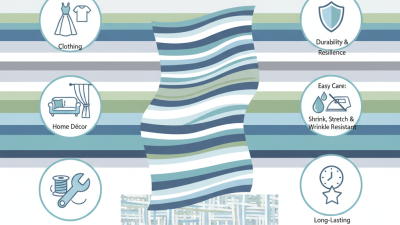
Polyester stripe fabric is a versatile material that suits various projects. Understanding its features can help you make better choices. This fabric is known for its durability and resistance to wrinkling. It maintains its shape well, even after multiple washes. Many crafters appreciate its colorful stripes, which can enhance the visual appeal of garments and home decor.
🌟
One benefit of polyester stripe fabric is its affordability. It is often cheaper than cotton, making it a preferred option for budget-conscious makers. Additionally, this fabric dries quickly, which is ideal for those who create items that need to be used soon after washing. However, some may find it less breathable than natural fibers. This can lead to discomfort in warm weather. It’s essential to weigh these factors when selecting fabric for specific projects.
Remember to consider your intended use. If breathability is crucial, polyester might not be the best choice. Reflecting on the pros and cons of polyester stripe fabric will guide your creative decisions effectively. The vibrant patterns and easy maintenance might outweigh potential drawbacks, depending on your project’s needs.
Identifying Quality Indicators in Polyester Fabrics
When choosing polyester stripe fabric, assessing quality is crucial. Look for specific indicators that reveal how well-made the fabric is. A fabric's construction can tell a lot about its durability. Check the thread count; higher counts often mean stronger materials. Pay attention to the weaving; a tighter weave generally indicates better quality.
Another essential aspect is the fabric's feel. High-quality polyester should feel smooth and have a nice drape. If it feels stiff or rough, it might not be suitable. Colorfastness is essential too; test it by wetting a small area. If the color runs, reconsider your choice.
Inspect the stripes carefully. Are they consistent? Irregularities can indicate poor manufacturing. Additionally, consider the weight of the fabric. Lighter fabrics may be suitable for summerwear, but might not hold up as well over time. Conversely, heavier materials often provide better structure but might limit movement.
Choosing the Right Stripe Pattern for Your Project
When selecting a stripe pattern for your project, consider the overall style you want to achieve. Bold, wide stripes can create a statement piece, while thin stripes add subtlety. Look at your fabric's color palette. A soft, neutral stripe can enhance a casual space, whereas vibrant colors can energize a room or outfit.
Tip one: Think about scale. Larger stripes may overwhelm small spaces or delicate garments. In contrast, smaller stripes can be more versatile. Keep in mind the effect you desire. If you're uncertain, experiment. Lay out swatches beside your other materials.
It's also essential to consider the direction of the stripes. Horizontal stripes can widen and shorten the appearance of a garment, while vertical stripes offer a slimming effect. Don’t shy away from mixing patterns. Sometimes, unconventional pairings yield surprising results.
Tip two: Test your combinations. Toss strips of fabric together and see what speaks to you. Sometimes the best choices arise from trial and error. Patterns are less about hard rules and more about visual harmony. Trust your instincts as you explore the possibilities.
Considering Color Schemes and Fabric Compatibility
When selecting polyester stripe fabric, mastering color schemes and fabric compatibility is crucial. Your choice can significantly impact the overall look of your project. Colors should harmonize, creating a cohesive feel. Think about the mood you want to convey. Warm colors evoke energy, while cool tones offer calmness.
Tip: Always consider your main colors. Choose stripes that complement your primary hues. For example, if your main fabric is a bold red, opt for stripes in tones of white or navy for balance.
Compatibility is another key aspect. Check the texture and weight of the fabric. A heavy polyester might overwhelm lighter materials. Mixing thick and thin fabrics can lead to an unflattering outcome.
Tip: Test swatches together. Lay them out and see how they interact. This small step can save you from major design flaws. Pay attention to how light affects colors too. It can change their appearance greatly, which is something to keep in mind.
10 Essential Tips for Choosing Polyester Stripe Fabric for Your Projects
| Tip No. |
Tip Description |
Ideal Color Scheme |
Fabric Compatibility |
| 1 |
Choose stripes that match the project purpose. |
Complementary Colors |
Cotton, Denim |
| 2 |
Consider the weight of the fabric for your project. |
Monochromatic |
Linen, Chiffon |
| 3 |
Pay attention to stripe orientation. |
Analogous Colors |
Satin, Velvet |
| 4 |
Select a suitable pattern scale. |
Earth Tones |
Polyester Blends, Jersey |
| 5 |
Evaluate fabric durability based on use. |
Bright Colors |
Canvas, Fleece |
| 6 |
Consider the fabric's stretch and recovery. |
Pastel Shades |
Activewear Fabrics |
| 7 |
Look for fabric that is easy to care for. |
Neutral Colors |
Easy-Care Blends |
| 8 |
Match the fabric to the seasonal requirements. |
Seasonal Colors |
Seasonal Fabrics |
| 9 |
Check for colorfastness for long-lasting projects. |
Vibrant Colors |
Home Décor Fabrics |
| 10 |
Consult fabric swatches for the best choice. |
Flexibility in Colors |
Various Textiles |
Evaluating Durability and Maintenance Requirements for Use
When selecting polyester stripe fabric, durability is a critical factor. This fabric can withstand frequent washing, making it an excellent choice for various projects. However, not all polyester fabrics are created equal. Some may fade or deteriorate faster than others. It's essential to evaluate the fabric's quality before making a decision.
Maintenance requirements should also be a priority. Many polyester fabrics are wrinkle-resistant and quick-drying, but they may require specific care. Understanding the fabric's cleaning guidelines is vital. Some fabrics can be machine washed, while others need gentle handling or dry cleaning. This discrepancy can affect the longevity of your projects.
Reflect on your project's purpose. For high-use items, like upholstery or curtains, prioritize durability. Choose fabrics designed for heavy wear. On the other hand, if the fabric will be used for decorative purposes, you might opt for a lighter-weight option. Balancing aesthetics with functionality will ultimately lead to better outcomes for your projects.