2026 How to Choose Polyester Furniture Fabric for Your Home?
Choosing the right Polyester Furniture Fabric for your home can be a daunting task. The market offers many options, each varying in texture, durability, and aesthetic appeal. Experts like Lisa Hartman, a well-known interior designer, emphasize the importance of this choice. She says, "The right fabric can change the entire feel of a room."
Polyester Furniture Fabric is popular for its affordability and resilience. It is resistant to stains and fading, making it ideal for busy households. However, it’s essential to pay attention to different grades of polyester. Higher-quality fabrics might be more expensive but tend to last longer.
Many people overlook the environmental impact of their choices. Polyester is synthetic and not biodegradable, which raises concerns. It’s worth reflecting on the trade-offs between durability and ecological footprint. Choosing Polyester Furniture Fabric is not just about aesthetics; it involves long-term considerations that shouldn't be underestimated.

Understanding Polyester Fabric Properties and Benefits
Polyester fabric is known for its durability and versatility. It resists wrinkling and fading, making it a practical choice for home furnishings. Many people appreciate how easy it is to clean polyester. Often, spills can be wiped away without leaving a trace. This is a significant benefit for families with children or pets. However, it might not feel as luxurious as natural fabrics, which some find disappointing.
The breathability of polyester varies. While some types allow for air circulation, others can trap heat. This could lead to discomfort in warmer months. It's important to consider your local climate when choosing polyester furniture fabric. Color options are plentiful, but fading can occur over time. A vibrant hue may dull if exposed to direct sunlight consistently. You might love a bright color, but it requires care to maintain its vibrancy.
Texture plays a key role in the feel of polyester. Some fabrics mimic the softness of cotton or linen. Others may have a rougher texture that can be less appealing. Test the fabric in-store before making a final decision. Think about how it will blend with your existing decor. In the end, choosing the right polyester fabric involves balancing aesthetics and practicality. Be ready to reflect on your choices.
Understanding Polyester Fabric Properties and Benefits
Evaluating Durability and Maintenance of Polyester Furniture Fabric
When selecting polyester furniture fabric, durability is paramount. According to the Association for Contract Textiles, polyester has a high Martindale abrasion rating, often above 30,000 cycles. This means it withstands frequent use well, making it suitable for homes with children and pets. Yet, not all polyester fabrics are created equal. Choose ones specifically designed for heavy use to ensure longevity.
Cleaning and maintenance present another layer of consideration. Polyester is known for its stain-resistant properties. Stains can often be wiped away with mild soap and water. A study by the Textile Research Journal highlighted that 63% of polyester fabrics maintain their appearance even after repeated cleaning. However, it’s essential to follow care instructions closely. Skipping proper maintenance can lead to fabric wear and discoloration.
Consider the environmental impact too. While polyester is durable, it is derived from petroleum products. The sustainability debate is ongoing. Consumer preferences are shifting towards more eco-friendly options. Selecting recycled polyester can be a thoughtful choice. It may not always be as durable but addresses some environmental concerns.
2026 How to Choose Polyester Furniture Fabric for Your Home?
| Dimension |
Description |
Rating (1-5) |
| Durability |
Polyester fabric is known for its high durability, resisting wear and tear, making it suitable for everyday use. |
4 |
| Stain Resistance |
Most polyester fabrics are treated for stain resistance, making them easier to clean. |
5 |
| Maintenance |
Easy to maintain with basic cleaning; machine washable options are available. |
4 |
| Colorfastness |
Polyester is known for good color retention, resisting fading. |
5 |
| Comfort |
Polyester is typically soft and comfortable, but can vary based on weave and finish. |
3 |
| Cost |
Generally affordable compared to other fabric options. |
4 |
Choosing the Right Color and Pattern for Your Home Decor
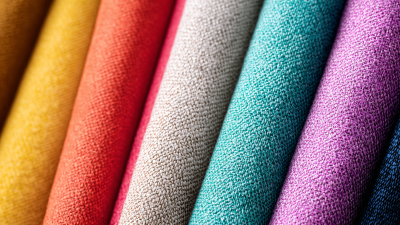
Choosing the right color and pattern for polyester furniture fabric is crucial for your home decor. Studies show that color influences mood and perception. For instance, warm colors can create an inviting atmosphere, while cool tones may evoke calmness. This impact on emotional response is backed by neuroscience. Over 85% of consumers decide on color within 90 seconds of seeing a product.
When selecting patterns, consider scale and complexity. Large, bold patterns can dominate a room. Conversely, small patterns may add subtle elegance. According to design reports, 70% of interior designers favor patterns that complement existing decor. Reflecting a story or theme can weave a narrative into your space. However, it's essential to balance patterns. Too many can lead to visual chaos.
Lighting also plays a vital role in how colors appear. Natural light can enhance hues, while artificial lighting can alter them. Test fabric samples in different lighting conditions. This can reveal unexpected tones. Unfortunately, many overlook this crucial step. It’s easy to make mistakes here. Colors and patterns should work in harmony, but achieving that balance often requires adjustment and patience.
Comparing Polyester with Other Furniture Fabrics
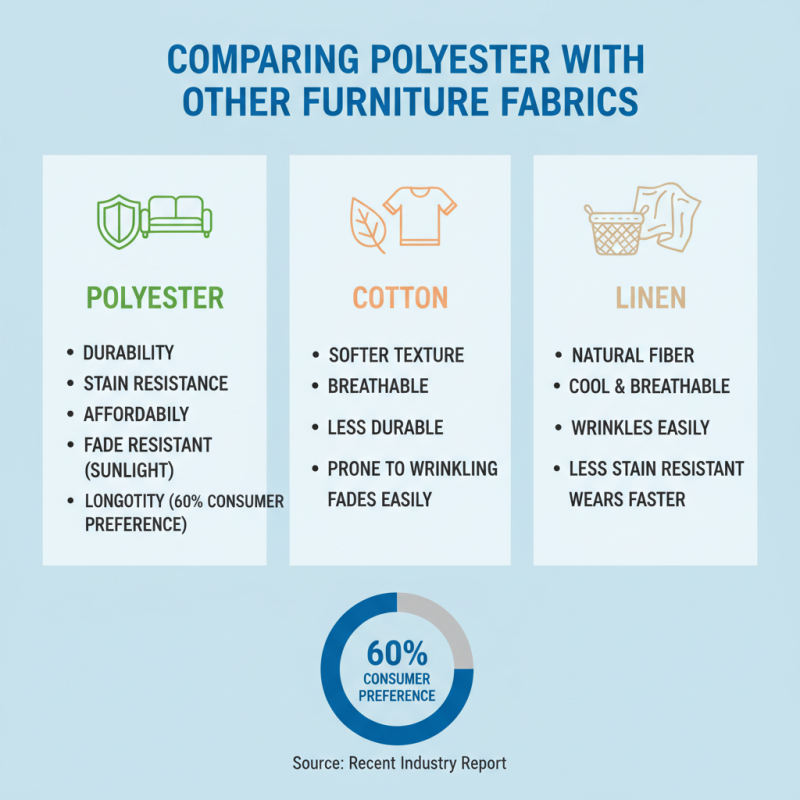
When choosing furniture fabrics, polyester stands out among various options. It is known for its durability, stain resistance, and affordability, making it a popular choice for many homeowners. A recent industry report indicates that approximately 60% of consumers prefer polyester for its longevity compared to cotton and linen, which often wear down faster. Polyester also resists fading from sunlight, maintaining vibrant colors over time.
However, it’s essential to consider some drawbacks. Polyester can sometimes feel less breathable than natural fibers, leading to discomfort in hotter climates. The fabric may also retain heat, which is an issue during warmer days. In contrast, cotton and linen offer superior breathability but may require more frequent replacements.
Tips: Look for a polyester blend that incorporates some natural fibers for breathability. Test how the fabric feels against your skin. Always compare the care instructions; some may require special cleaning treatments that can add to maintenance costs. Reevaluate your fabric choices based on lifestyle needs; it’s not just about aesthetics.
Tips for Purchasing and Caring for Polyester Fabric Furniture
When choosing polyester furniture fabric, consider its texture and durability.
Polyester is known for its resistance to stains and fading. It's a practical choice for homes with children or pets.
The fabric can come in various colors and patterns, allowing for creative expression in your space. However, some polyester fabrics feel less luxurious than
natural fibers. It's worth considering how it feels against your skin.
Caring for polyester furniture is relatively straightforward. Regular vacuuming helps maintain its appearance. For spills, blot immediately with a clean cloth.
Softer materials might be more prone to stains over time. Periodic cleaning can help; however, some stains might be stubborn. It's important to test any cleaning
solution on a small area first. You might find that not all polyester fabrics respond the same way to cleaning methods. Experimentation may be necessary to
figure out the best approach for your specific fabric type.