inquiry
Leave Your Message

What is Patterned Polyester Fabric and Its Uses?

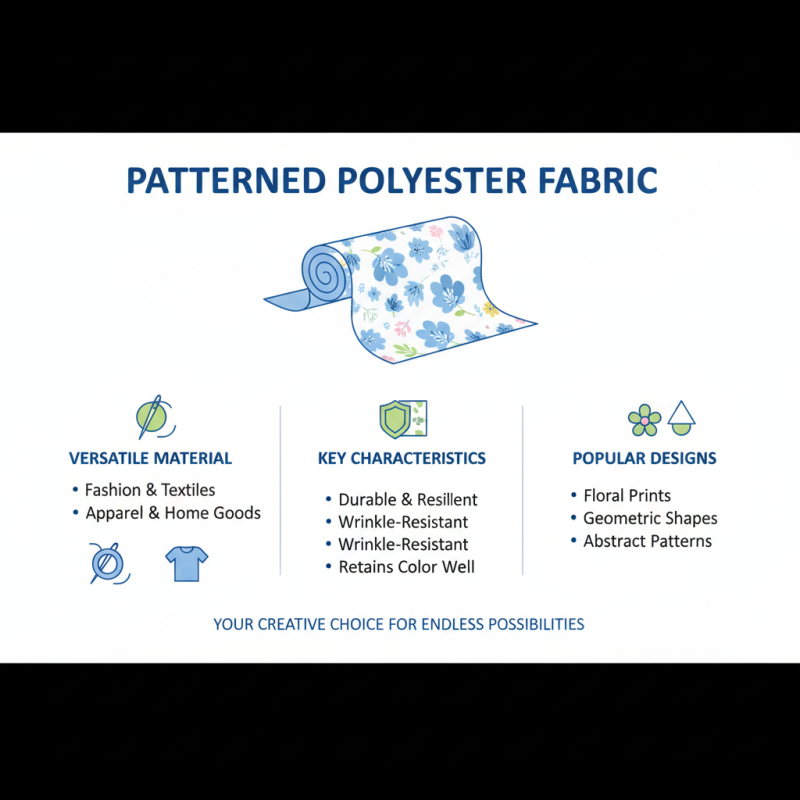
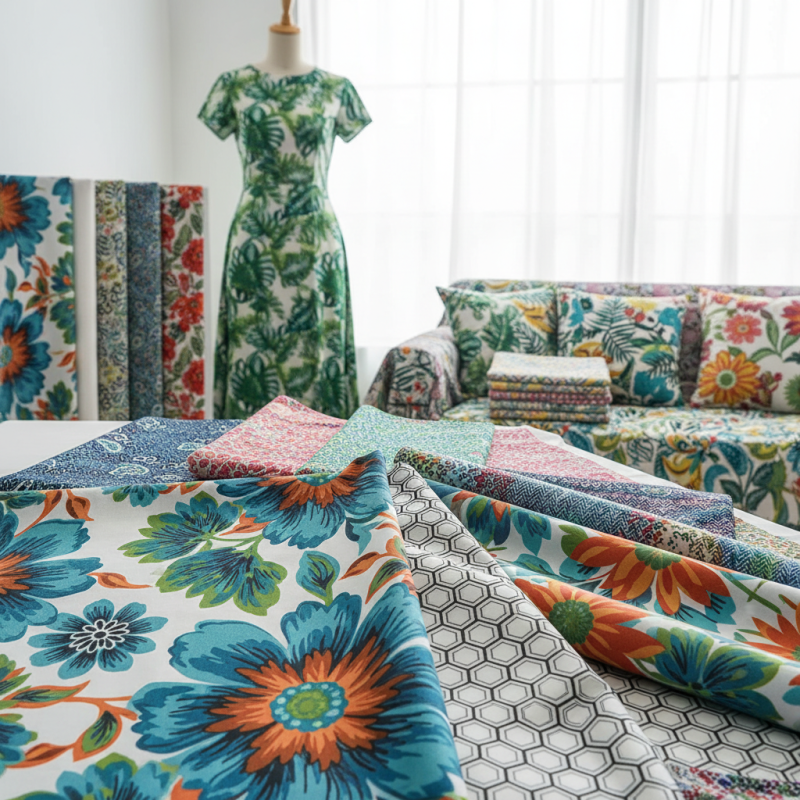
Patterned Polyester Fabric is a versatile material that has gained popularity in various industries. Known for its vibrant designs and durability, this fabric is a favorite among fashion designers and home decor enthusiasts. It offers an array of patterns, from floral to geometric, that can enhance any project.

The uses of Patterned Polyester Fabric are vast. In fashion, it can create stunning dresses and casual wear. In home decor, it can be used for curtains, pillow covers, and upholstery. However, choosing the right patterns for each project can be a challenge. Sometimes, the fabric's visual appeal might overshadow practicality.

Many people appreciate the aesthetics of Patterned Polyester Fabric but overlook its potential drawbacks. While it repels stains, it can also be less breathable than natural fibers. Reflecting on these aspects is essential when selecting fabric for specific needs. Balancing style and function is key to making the right choice.
What is Patterned Polyester Fabric and Its Uses?

Understanding Patterned Polyester Fabric: An Overview

What is Patterned Polyester Fabric and Its Uses?

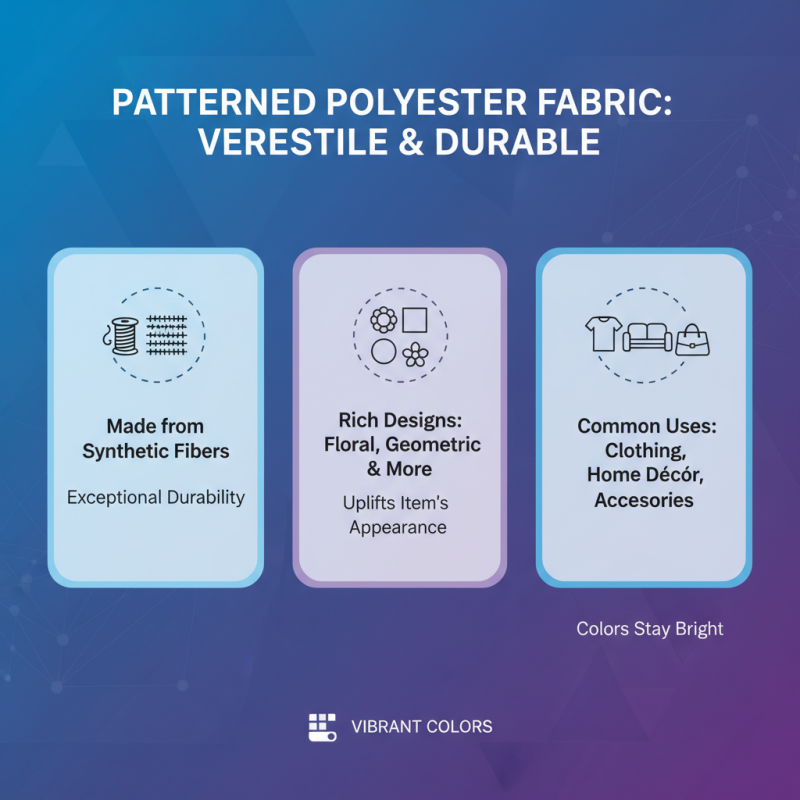
Patterned polyester fabric is a versatile material known for its durability and rich designs. It is made primarily from synthetic fibers. This fabric often features a variety of patterns, ranging from floral prints to geometric shapes. These designs can really uplift the overall look of any item made with this fabric. It is commonly used in clothing, home décor, and even accessories. The vivid colors stand out, making polyester a favorite among designers and consumers alike.

Beyond aesthetics, patterned polyester is also practical. The fabric is resistant to wrinkles and fading, which makes it easy to maintain. It often retains its shape well, even after multiple washes. However, it's worth noting that some people find it less breathable than natural fibers. This can be a concern in warmer climates. Additionally, while its durability is a plus, the environmental impact of synthetic fabrics deserves reflection. Exploring alternatives or blends with natural fibers could enhance its sustainability.
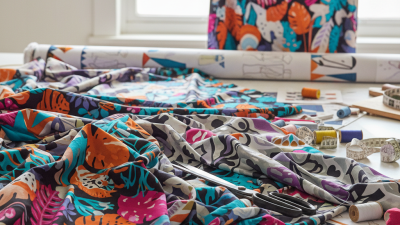
Characteristics and Types of Patterned Polyester Fabric

Patterned polyester fabric is a versatile material known for its durability and aesthetic appeal. This fabric is often used in various applications, from home decor to fashion. One of its defining characteristics is resistance to wrinkles and fading. According to industry reports, the global polyester market is expected to reach 75 million tons by 2025, showcasing the rising popularity of this fabric.

There are several types of patterned polyester fabrics, each with unique qualities. For instance, the embossed polyester offers a three-dimensional effect, creating a visually engaging surface. Printed polyester, on the other hand, allows for vibrant color patterns. This diversification means you can find a patterned polyester suitable for almost any project.

**Tip:** When selecting patterned polyester for your next project, consider the intended use. Heavy fabrics work well for upholstery, while lightweight options are better for apparel. Ensure to check the fabric's weight and dimensions before making a decision.

Finding the right patterned polyester can be challenging. There are so many designs, but not all might suit your needs. It is essential to reflect on your choices and how the fabric's qualities align with your project's goals. Don't rush. Take time to explore different types and characteristics before committing.

What is Patterned Polyester Fabric and Its Uses? - Characteristics and Types of Patterned Polyester Fabric

Characteristic Description Common Uses Types
Durability Highly resistant to wear and tear, making it suitable for various applications. Activewear, outdoor apparel, upholstery. Basic patterned polyester, Printed polyester.
Moisture Wicking Wicks away sweat from the skin, keeping the wearer dry. Sportswear, athletic tops, and leggings. Jacquard polyester, Microfiber polyester.
Color Retention Holds colors well and is resistant to fading over time. Fashion clothing, home textiles, and curtains. Sublimated polyester, Spun polyester.
Easy Care Machine washable and quick to dry, requiring minimal maintenance. Table linens, shirts, and decorative pillows. Crepe polyester, Satin polyester.
Versatility Can be made into various textures and finishes, suitable for different styles. Home decor, luggage, and fashion accessories. Textured polyester, Velvet polyester.

Common Uses of Patterned Polyester Fabric in Fashion and Textiles

What is Patterned Polyester Fabric and Its Uses?

Patterned polyester fabric is a versatile material widely used in fashion and textiles. Its durability and unique designs make it a popular choice among designers. You can find this fabric in various prints, textures, and colors. It often features floral patterns, geometric shapes, or abstract designs that stand out.

In fashion, patterned polyester is often used for dresses, blouses, and even activewear. The fabric drapes nicely and maintains vibrant colors, which appeal to many consumers. It’s lightweight yet sturdy, making it ideal for casual and formal wear alike. However, not all polyester feels the same. Some textures can irritate sensitive skin, so it’s essential to check fabric quality.

When experimenting with patterned polyester, consider mixing prints for a bold look. This can create a unique fashion statement. However, be mindful of color balance. Too many conflicting patterns can be overwhelming.

Tips like washing patterned polyester in cold water can help maintain its appearance. Try avoiding fabric softeners too; they can alter the texture. Always remember to read care labels for the best results. It’s worth taking a moment to think about fabric blends and how they can impact your overall garment experience.

Advantages of Using Patterned Polyester Fabric in Various Applications

Patterned polyester fabric has gained popularity in various industries due to its unique blend of benefits. This type of fabric showcases vibrant designs, making it visually appealing. It's lightweight and durable, which is essential for everyday use. It can withstand wear and tear, maintaining its appearance longer than other materials. Its resistance to wrinkles adds to its practicality, especially in clothing and upholstery.

One notable advantage of patterned polyester is its versatility. It can be used for making clothing, home textiles, and accessories. Designers appreciate its ability to hold colors well. This fabric is also easy to clean, which is a significant benefit for families with children. However, it can sometimes feel less breathable than natural fabrics, which may be uncomfortable in warmer climates.

Many businesses, such as fashion and interior design, benefit from the affordability of patterned polyester. It offers an attractive alternative without breaking the bank. Yet, some consumers may worry about the environmental impact of synthetic materials. Choosing sustainable options can help address these concerns. Exploring eco-friendly polyester alternatives could enhance the positive aspects of using this fabric.

Benefits of Patterned Polyester Fabric in Various Applications

Care and Maintenance Tips for Patterned Polyester Fabric Products

Patterned polyester fabric is popular for its vivid designs and versatility. However, caring for it can be tricky. Always check the label before washing. Most patterned polyester items are machine washable. Use cold water to prevent colors from fading. Avoid bleach, as it can damage the fabric.

Drying can also be a challenge. Air drying is ideal, but you can tumble dry on low heat if you're short on time. Remove items promptly to prevent wrinkles. Ironing is another issue. Choose low heat settings. A fabric steamer can be your best friend.

Though patterned polyester is durable, stains can happen. Act quickly on spills to prevent permanent damage. Blot, don’t rub. Sometimes, despite best efforts, stains linger. Don't be discouraged if things don't turn out perfect. Reflecting on your process can lead to better care strategies in the future.