What Is Polyester Wool? Benefits, Uses, and Care Tips Explained
Polyester Wool is a versatile material that has gained significant popularity in the textile industry due to its unique blend of properties. According to a report by Allied Market Research, the global polyester market is expected to reach $168 billion by 2026, with significant contributions from the wool sector. This remarkable growth is attributed to the increasing demand for durable, lightweight, and cost-effective textiles that offer both comfort and functionality.
The benefits of Polyester Wool extend beyond its affordability; it is recognized for its excellent moisture-wicking properties, resilient nature, and ease of maintenance. Industry studies indicate that textiles incorporating polyester can enhance the lifespan of garments by resisting wear and tear while maintaining a soft, wool-like feel. Furthermore, Polyester Wool is increasingly being utilized in various applications, from apparel to home textiles, making it an ideal choice for consumers looking for quality and practicality in their fabric selections.
As more individuals seek sustainable and versatile material options, understanding the uses and care tips for Polyester Wool becomes essential. This introduction to Polyester Wool will outline its benefits, practical applications, and care suggestions to help consumers make informed choices in their fabric selections.
What Is Polyester Wool and Its Composition?
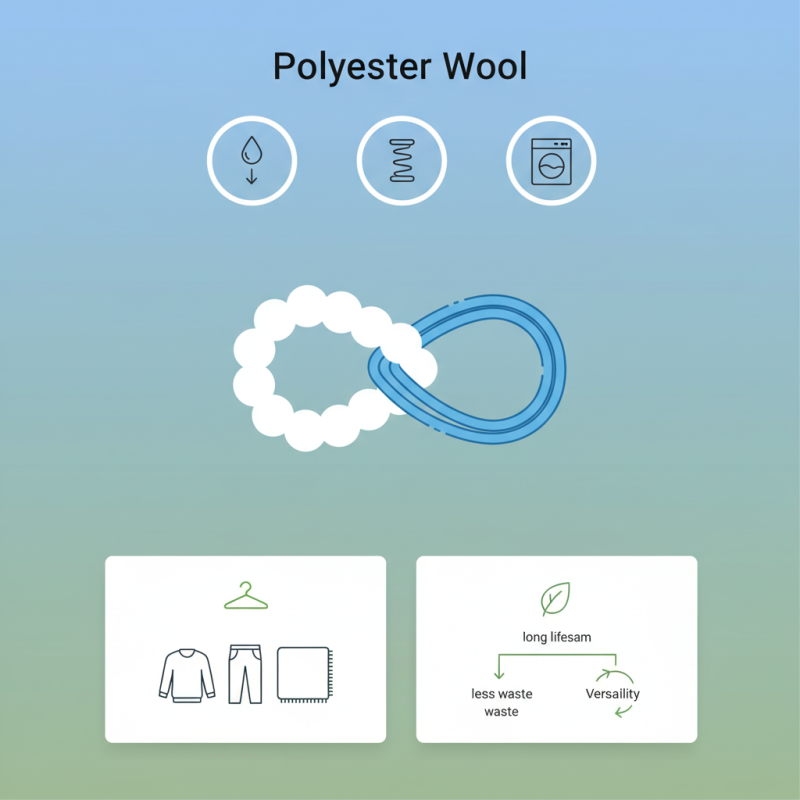
Polyester wool is an innovative synthetic fabric that combines the benefits of polyester and wool to create a versatile and durable material. This fabric is primarily made by blending polyester fibers with natural wool, which enhances its strength, while maintaining the soft, insulating properties of traditional wool. According to the Textile Research Journal, polyester fibers account for approximately 65% to 70% of the total composition in polyester wool blends. This results in a fabric that is not only resilient but also resistant to wrinkles, shrinkage, and fading, making it an ideal choice for various applications.
One of the significant advantages of polyester wool is its moisture-wicking ability. The polyester fibers quickly draw moisture away from the skin, keeping the wearer dry and comfortable, which is especially beneficial in active wear and outdoor clothing. Additionally, polyester wool retains warmth even when wet, offering enhanced thermal insulation. A study by the American Apparel & Footwear Association highlights that fabrics with high moisture management capabilities improve overall user satisfaction in outdoor gear by up to 30%.
Tips for Care: To prolong the lifespan of polyester wool garments, it is recommended to wash them in cold water on a gentle cycle and avoid using bleach. Air drying is preferable, as high heat can damage the fabric's structure and reduce its insulating properties. Regularly brushing the fabric can help maintain its softness and prevent matting, ensuring it stays cozy and inviting for years to come.
Key Benefits of Using Polyester Wool in Textiles
Polyester wool, a synthetic blend of polyester and wool, offers a range of benefits that make it a popular choice in the textile industry.
One significant advantage of polyester wool is its durability. According to a report by Textile World, polyester fibers can withstand wear and tear far better than natural fibers alone, enhancing the longevity of garments and home textiles. This durability is particularly beneficial in applications where items are subjected to regular use, such as upholstery and outdoor apparel.
Another key benefit of polyester wool is its moisture-wicking properties, which help to keep the wearer dry and comfortable. The polyester component efficiently moves moisture away from the skin, making it suitable for activewear and sports clothing. Research from the American Textile Manufacturers Institute highlights that moisture management characteristics can increase comfort, which is paramount for athletic and casual clothing alike. Additionally, polyester wool is resistant to shrinking and stretching, providing a consistent fit over time, which is a valuable feature for consumers seeking hassle-free maintenance in their textiles.
Furthermore, polyester wool is often more cost-effective compared to pure wool, allowing manufacturers to produce quality products at lower prices. As outlined in a recent report by the International Textile and Apparel Association, the combination of affordability and performance makes polyester wool a favorable option for both manufacturers and consumers, contributing to its rising popularity in the fashion and home décor sectors.
Common Uses of Polyester Wool in Fashion and Home Decor
Polyester wool, a synthetic product that mimics the warmth and texture of natural wool, has become increasingly popular in both fashion and home decor. Its versatility allows designers to create a wide range of garments, from cozy sweaters to durable outerwear. The ability of polyester wool to retain its shape and resist wrinkles makes it an ideal choice for various clothing items. Additionally, it offers a soft feel against the skin while providing adequate insulation, making it perfect for layering in colder climates.
In the realm of home decor, polyester wool is a favored material for upholstery, throws, and decorative pillows. Its durability and stain resistance make it suitable for high-traffic areas, ensuring that pieces remain looking fresh and vibrant for longer periods. Moreover, polyester wool blends can be dyed in a myriad of colors, opening up a world of design possibilities for creating stylish and contemporary living spaces. The ease of care associated with polyester wool, such as being machine washable, further cements its position as a go-to fabric in both fashion and home furnishing.
Care Tips for Maintaining Polyester Wool Products
When it comes to maintaining polyester wool products, proper care can significantly extend their lifespan and preserve their appearance.
Polyester wool, a synthetic blend known for its durability and moisture-wicking properties, requires specific attention to maintain its integrity. According to industry reports, garments made from polyester wool can retain their shape and resist wrinkling, but they are still susceptible to pilling if not cared for properly.
To keep polyester wool items looking fresh, it is essential to follow the washing instructions carefully. Most experts recommend machine washing them in cold water on a gentle cycle, which minimizes stress on the fabric. Additionally, using a mild detergent can help prevent the synthetic fibers from degrading. Avoiding fabric softeners is also advised, as these can coat the fibers and hinder their breathability.
After washing, it is best to air dry polyester wool products to prevent shrinkage and maintain their form, as high heat from tumble drying can damage the material.
Regular maintenance includes gentle brushing to prevent pilling, which is common in synthetic fabrics. Reports suggest that products treated with anti-pilling agents can mitigate this issue; however, proactive care is crucial. Storing polyester wool items in a cool, dry environment, away from direct sunlight, further protects them from fading and degradation.
With the right care, polyester wool can provide comfort and style for many seasons, underscoring its popularity in modern textiles.
Environmental Impact of Polyester Wool and Recycling Options
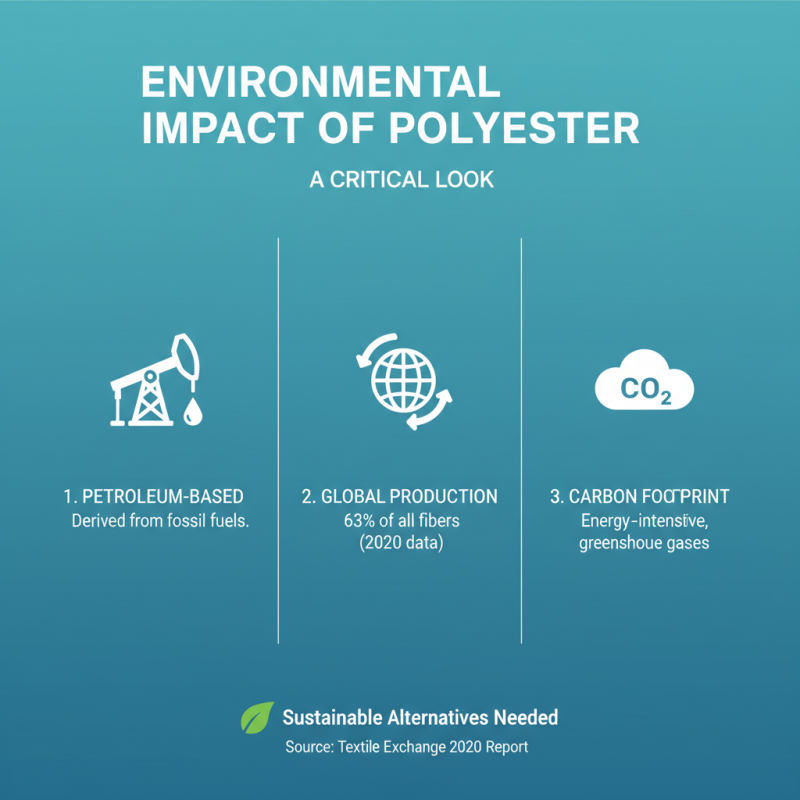
The environmental impact of polyester wool is increasingly scrutinized, particularly due to its derivation from petroleum products. According to the Textile Exchange's 2020 Preferred Fiber and Materials Market Report, synthetic fibers, including polyester, account for about 63% of global fiber production. This substantial figure raises concerns about the reliance on fossil fuels and the associated carbon footprint. The production process of polyester not only consumes significant energy but also emits greenhouse gases, contributing to climate change.
Recycling options for polyester wool have emerged as a promising solution to mitigate its environmental effects. The industry has seen a rise in initiatives aimed at reclaiming and repurposing polyester fibers. The Global Recycling Foundation states that approximately 30% of polyester used in clothing is recycled, with advancements in technology enabling the effective transformation of plastic waste into high-quality fibers. Innovations such as mechanical and chemical recycling processes are pivotal, allowing brands to incorporate recycled polyester into their products, ultimately reducing waste and conserving resources. As consumers become more environmentally conscious, the demand for sustainably sourced materials, including recycled polyester wool, is likely to grow, promoting a circular economy in the textile industry.