inquiry
Leave Your Message

What is Printable Polyester Fabric and How to Use It for Your Projects

Printable Polyester Fabric has emerged as a versatile and popular material for a wide range of creative projects. This innovative fabric is not only durable and lightweight but also offers a smooth surface that is ideal for high-quality print applications. Whether you're a seasoned crafter or a beginner exploring new techniques, understanding the unique properties of Printable Polyester Fabric can elevate your projects to a professional level.

In this article, we will delve into the characteristics that make Printable Polyester Fabric a preferred choice for many creatives, such as its vibrant color retention and resistance to fading. We will also explore various applications, from custom apparel to home décor items, showcasing the limitless possibilities this fabric offers. Additionally, we'll provide practical tips on how to effectively use Printable Polyester Fabric in your projects, ensuring stunning results every time. Join us as we unlock the potential of this remarkable material and inspire you to bring your ideas to life with Printable Polyester Fabric.

What is Printable Polyester Fabric and How to Use It for Your Projects

What is Printable Polyester Fabric? A Comprehensive Overview

What is Printable Polyester Fabric and How to Use It for Your Projects

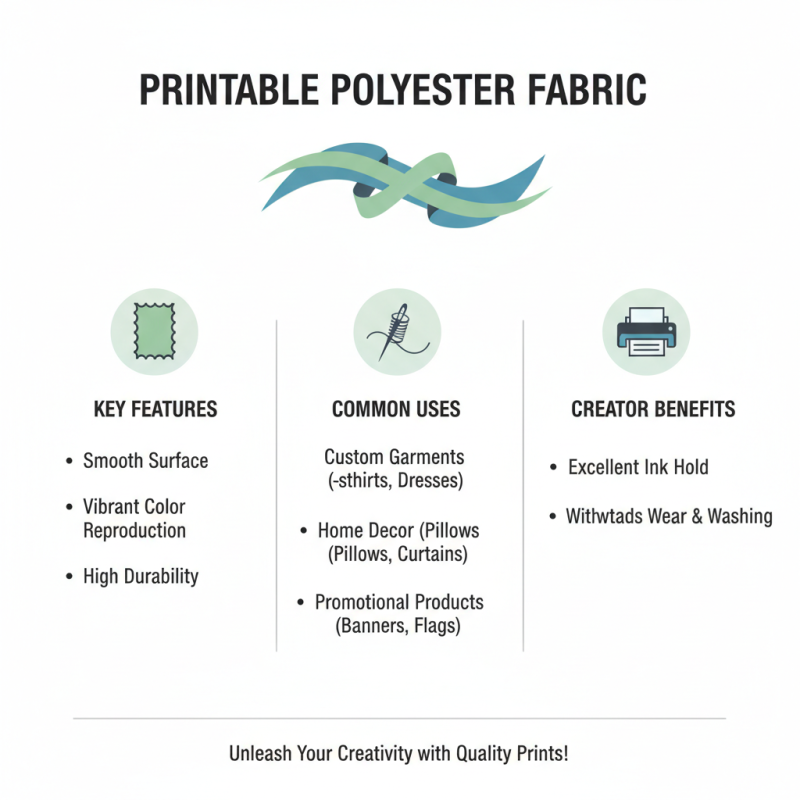
Printable polyester fabric is a versatile material that has gained prominence in the crafting and fashion industries. This fabric is known for its smooth surface, vibrant color reproduction, and high durability, making it an ideal choice for a variety of projects. It is commonly used for creating custom garments, home decor items, and promotional products. The fabric’s ability to hold ink well and withstand wear makes it a favorite among both amateur and professional creators looking to produce unique, high-quality prints.

When working with printable polyester fabric, it's essential to consider the right printing techniques to achieve the best results. Techniques such as sublimation printing are particularly effective, as they allow the ink to become part of the fabric, resulting in long-lasting designs. When selecting your designs, ensure they are high-resolution to capture all the fine details and colors accurately. Additionally, using a heat press can provide an even application of heat and pressure, ensuring that the print adheres properly to the fabric.

Tips: Always prewash your fabric before printing to remove any sizing or finishes that could affect adhesion. To prevent any distortion during the printing process, make sure your fabric is flat and secure on your printer. Lastly, consider doing test swatches to fine-tune your settings for the best color output and durability.

Key Properties and Benefits of Printable Polyester Fabric in Design

Printable polyester fabric is a versatile material that has gained popularity in various design applications due to its unique properties and benefits. One of its key characteristics is its excellent printability. The fabric has a smooth surface that allows for vibrant and detailed designs, making it ideal for everything from fashion apparel to home décor items. Additionally, polyester is known for its durability and resistance to fading, which ensures that printed designs retain their color and quality over time, even when exposed to sunlight or frequent washing.

Another significant advantage of printable polyester fabric is its quick-drying ability, which enhances its usability in projects that require fast turnaround times. This property is particularly beneficial for designers and creators who are working on time-sensitive projects or events. Moreover, polyester fabric is lightweight and easy to handle, allowing for seamless cutting and sewing in various applications. Its inherent wrinkle resistance also contributes to the overall aesthetic, ensuring that finished products maintain a polished appearance without the need for extensive care. These combined attributes make printable polyester fabric an exceptional choice for anyone looking to bring their creative ideas to life.

Industry Applications: Where Printable Polyester Fabric Shines

Printable polyester fabric has become a staple in various industries due to its versatile nature and vibrant print capabilities. One of the most prominent applications is in the fashion industry, where designers utilize this material to create striking garments and accessories. The fabric allows for high-resolution printing techniques, enabling intricate patterns, colors, and graphics to be vividly displayed on clothing. This adaptability not only caters to the latest fashion trends but also encourages customizations, allowing brands to offer unique pieces that resonate with individual customer preferences.

In addition to fashion, printable polyester fabric excels in home decor applications. From customized curtains and upholstery to bespoke wall art, this material provides an excellent canvas for creative expression. Its durability and resistance to fading make it an ideal choice for both indoor and outdoor settings. Events and marketing industries also leverage printable polyester for banners, displays, and promotional materials. The ability to produce large-scale, eye-catching prints ensures brands can effectively communicate their messages while making a lasting impression. With its wide range of applications, printable polyester fabric continues to redefine possibilities in creative and commercial projects alike.

Applications of Printable Polyester Fabric

Step-by-Step Guide to Printing on Polyester Fabric

When it comes to printing on polyester fabric, it's essential to follow a step-by-step process to achieve the best results. Begin by selecting the right type of printable polyester fabric, ensuring it's compatible with your printing method, whether it’s inkjet or sublimation. Before you jump into printing, thoroughly prepare your fabric by washing and drying it to eliminate any chemicals or residues that may interfere with the print quality. Moreover, iron the fabric to remove any wrinkles, as a smooth surface will ensure more precise and vibrant prints.

Next, create your design using graphic design software. Ensure your design is appropriately sized and formatted for the fabric you are using. Once ready, print a test sample on regular paper to check the colors and layout. After confirming your design, set up your printer according to the manufacturer’s instructions, adjusting settings for the specific polyester fabric. When you’re satisfied, load the fabric into the printer and proceed with printing. After printing, it's crucial to heat-set the ink according to the fabric instructions to ensure durability and prevent fading. Finally, give your fabric a final wash to remove any excess ink and enhance the overall finish. By following these steps, you can create stunning projects with printable polyester fabric.

What is Printable Polyester Fabric and How to Use It for Your Projects

Feature Description Tips for Use
Material Type Synthetic fabric made from polyester fibers. Choose a high-quality printable polyester for best results.
Printing Methods Sublimation, inkjet printing, and heat transfer. Ensure you select the right method compatible with your printer.
Advantages Durable, vibrant colors, resistant to shrinking and fading. Test with small samples to gauge color accuracy.
Applications Apparel, home decor, banners, and promotional items. Consider the intended use when selecting fabric weight.
Care Instructions Machine wash with mild detergent; tumble dry low. Avoid bleach to maintain print quality.

Best Practices for Caring and Maintaining Printed Polyester Projects

What is Printable Polyester Fabric and How to Use It for Your Projects

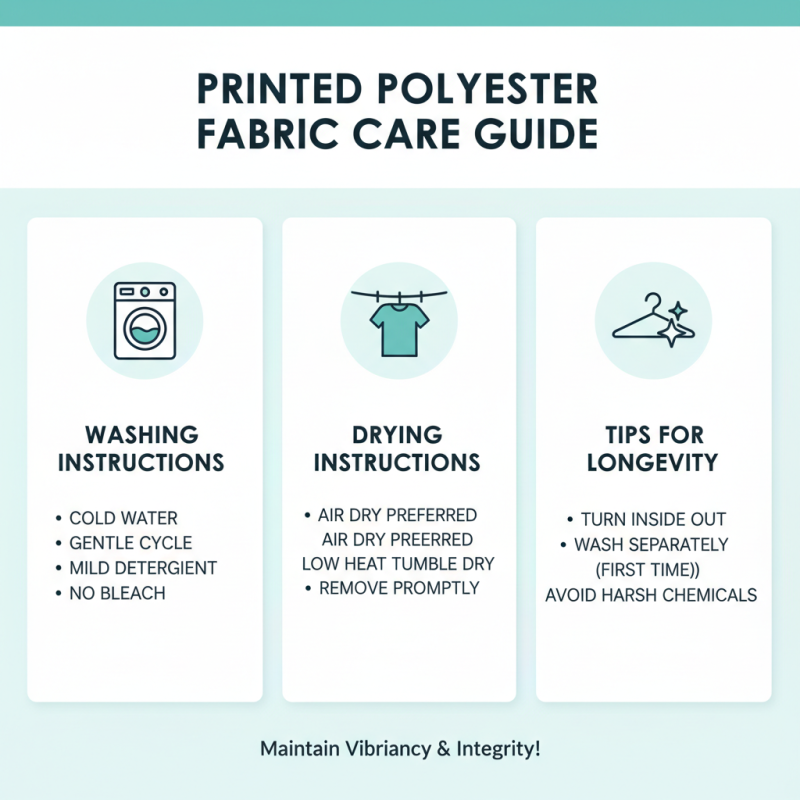
Caring for printed polyester fabric is essential to maintaining the vibrancy and integrity of your projects. To ensure your creations last, it’s important to follow specific washing and drying instructions. Always wash your printed polyester items in cold water with a gentle cycle to prevent fading. Avoid using bleach or harsh detergents, as these can damage the print and fabric fibers. Instead, choose a mild detergent that will help preserve the colors.

When it comes to drying, air drying is the best option for printed polyester. If you must use a dryer, select a low heat setting to avoid shrinking or altering the fabric's texture. After drying, if the fabric appears wrinkled, using a cool iron can help smooth it out, but make sure to avoid direct contact with the printed area.

Tips for maintaining your printed polyester projects include storing them in a cool, dry place to prevent moisture buildup, which can lead to mold or mildew. Additionally, consider using acid-free tissue paper when folding the items to maintain their shape and prevent creases. Regularly checking for any signs of wear or damage will allow you to address issues before they worsen, prolonging the life of your printed polyester.