Top Reasons to Choose Printed Polyester Crepe Fabric for Your Business?
Printed Polyester Crepe Fabric is becoming a go-to choice for many businesses today. According to a report by Market Research Future, the global textile market is projected to grow significantly, with synthetic fabrics leading the charge. This trend underscores the increasing preference for durable, versatile materials like printed polyester crepe.
The unique characteristics of printed polyester crepe fabric make it an attractive option for various industries. This lightweight and breathable fabric offers excellent drape and vibrant print quality. Reports indicate that businesses utilizing high-quality fabrics can enhance their brand appeal, potentially increasing sales by up to 30%. Such statistics highlight the importance of making informed fabric choices.
While the benefits are evident, businesses should consider potential challenges. Not all printed polyester crepe fabrics are created equal. Factors like print durability and fabric thickness can vary widely. Thus, thorough research and expert consultations are essential when selecting suppliers. Investing time in understanding these nuances can lead to better fabric choices that align with business goals.
Benefits of Printed Polyester Crepe Fabric in Fashion Industry
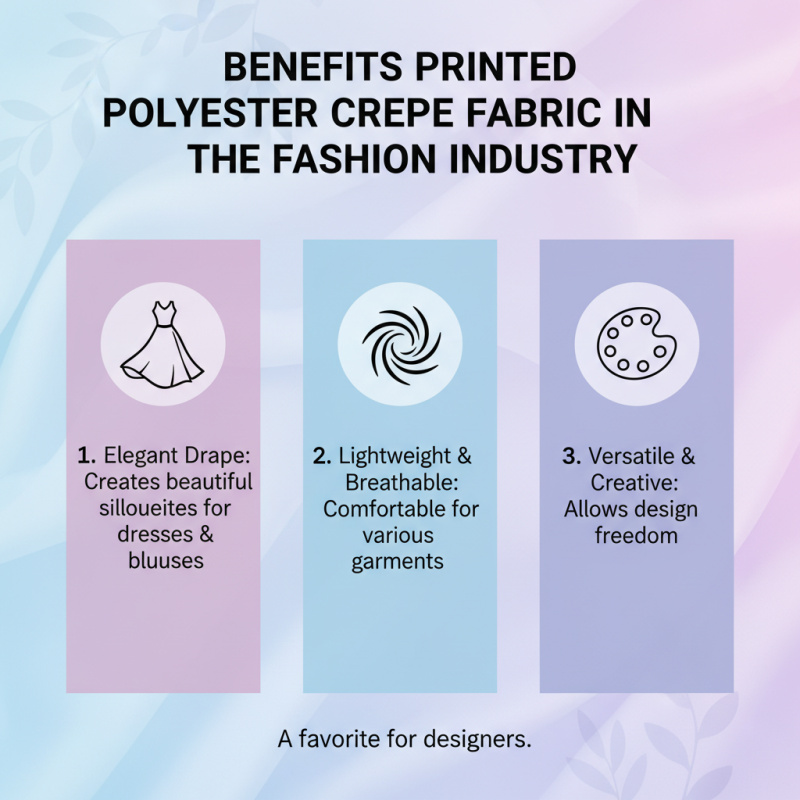
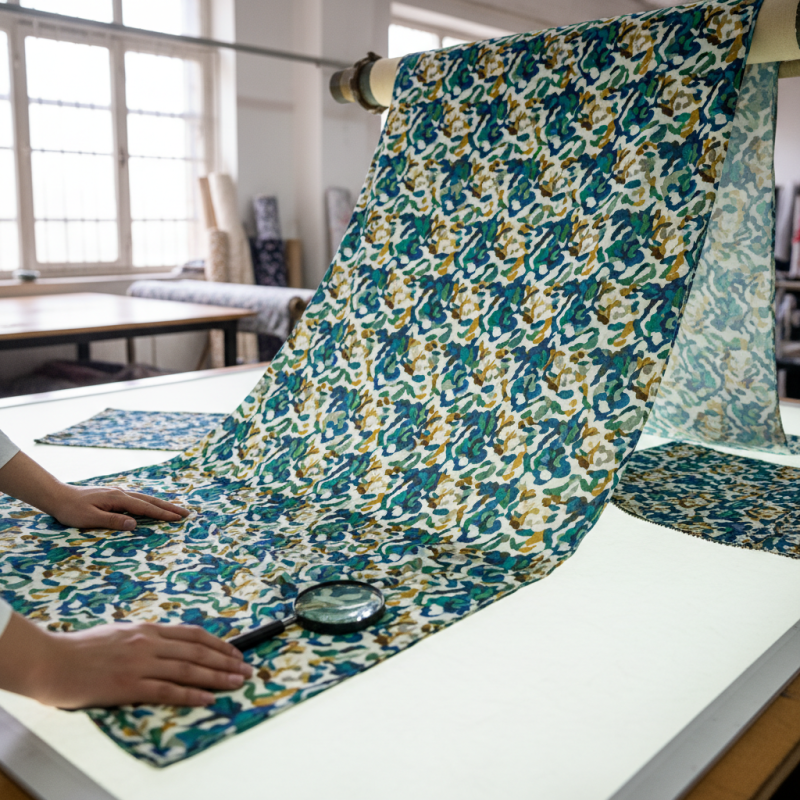
Printed polyester crepe fabric is becoming increasingly popular in the fashion industry. Its lightweight and breathable nature makes it ideal for various garments. The fabric drapes beautifully, creating elegant silhouettes for dresses and blouses. Designers often favor this material for its versatility, allowing for creative freedom in their collections.
The vibrant prints available on polyester crepe attract consumers. These striking designs can easily catch the eye, making the fabric perfect for trending styles. Additionally, the fabric is known for its durability. It resists wrinkles and holds color well, which is crucial for long-lasting wear. However, it’s essential to consider sustainability. While the fabric has numerous benefits, the production process can raise environmental concerns that professionals must address.
Another advantage is the cost-effectiveness of printed polyester crepe. It tends to be more affordable than natural fibers, allowing brands to keep pricing competitive. This material also offers various texture options. Designers can experiment with glossy or matte finishes, enhancing creativity. Yet, relying too heavily on synthetic materials might limit experimentation with other innovative fabrics. The industry must balance cost, creativity, and sustainability moving forward.
Durability and Maintenance of Printed Polyester Crepe Fabric
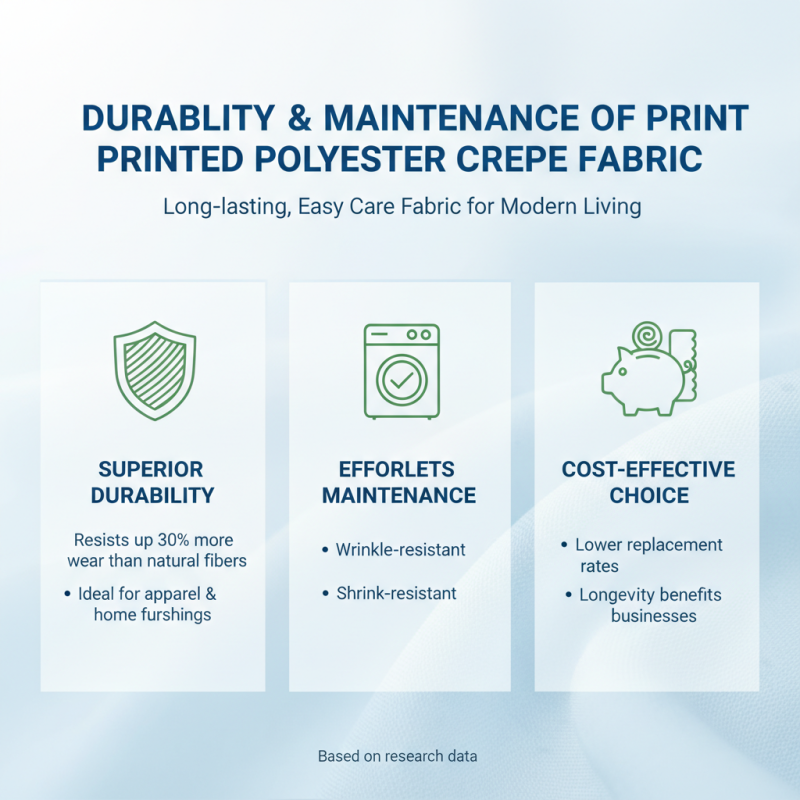
Printed polyester crepe fabric stands out for its durability and ease of maintenance. Research shows that polyester fibers can withstand up to 30% more wear compared to natural fibers. This feature makes them ideal for various applications, from apparel to home furnishings. The ability to resist wrinkling and shrinking adds to their appeal in the fashion industry. Businesses can benefit from lower replacement rates due to fabric longevity.
When it comes to maintenance, printed polyester crepe fabric requires minimal effort. Most stains can be cleaned with mild soap and water. According to industry reports, fabrics of this type retain color vibrancy after numerous washes. This characteristic is particularly beneficial in today’s fast-paced retail environment. However, some users have noted that over time, the fabric can develop pilling, which may affect its visual appeal. Careful selection of proper washing techniques can mitigate this issue and enhance lifespan.
As consumer preferences evolve, the demand for durable fabrics increases. Printed polyester crepe is versatile and suitable for various styles and designs. Its lightweight feel enhances comfort without compromising strength. The potential environmental impact from synthetic fibers is a point of concern. Brands must consider sustainability in their sourcing practices and balance durability with eco-friendly options.
Versatility of Printed Polyester Crepe Fabric for Various Applications
Printed polyester crepe fabric is remarkably versatile. It is widely used in fashion, home décor, and even upholstery. According to the latest market research, the global polyester textile market is projected to grow by over 6% annually between 2023 and 2030. This projection highlights the increasing demand for versatile and durable fabric options like polyester crepe.
The fabric’s lightweight nature makes it ideal for flowy garments. It drapes beautifully, enhancing designs without adding bulk. Additionally, printed polyester crepe is resistant to wrinkles and fading, making it suitable for garments that see regular wear. The production of printed polyester crepe often employs digital fabric printing techniques, allowing for intricate designs and quick turnaround times. This can be particularly beneficial for businesses looking to launch seasonal collections rapidly.
Tip: When selecting printed polyester crepe, consider the weave and weight. These factors will affect how the fabric functions in your designs. Always request fabric swatches to gauge the texture and print quality before making a bulk purchase. Pay attention to care instructions, as this will ensure longevity and customer satisfaction.
Printed polyester crepe's versatility also extends to various applications. It can be used in creating lively curtains or chic tablecloths. While it offers many benefits, it might not perform well in extreme heat compared to traditional fabrics. It's essential to understand these nuances to maximize the fabric's potential in your projects.
Cost-Effectiveness of Choosing Printed Polyester Crepe Fabric
Printed polyester crepe fabric offers excellent cost-effectiveness for businesses. This material is affordable, making it accessible for various applications. Its durability means it can withstand regular wear and tear. Investing in printed polyester crepe can reduce long-term costs significantly. The fabric maintains its quality over time, requiring less frequent replacements.
In the fashion industry, striking the right balance between quality and price is crucial. Printed polyester crepe fits this criterion well. While its initial cost is low, its visual appeal attracts customers easily. Designs can range from bold patterns to subtle textures, ensuring versatility. However, some businesses may overlook the importance of fabric quality in their design choices.
Additionally, printed polyester crepe can be mass-produced quickly. This feature allows businesses to keep up with trends without extensive delays. Nonetheless, companies must ensure ethical sourcing and production methods. While the fabric is appealing, attention should also be given to sustainability. The pressure for eco-friendly practices is growing, and neglecting this can have long-term repercussions. The cost savings should not overshadow the need for responsible choices.
Environmental Considerations of Printed Polyester Crepe Fabric Usage
When considering the environmental impact, printed polyester crepe fabric presents both challenges and opportunities. This material is often seen as less eco-friendly due to its synthetic origins. However, advancements in recycling technologies are improving its sustainability. Manufacturers are beginning to produce recycled polyester crepe, reducing reliance on virgin plastic materials.
Moreover, the durability of polyester crepe can lead to lower consumption rates. With proper care, garments made from this fabric can last significantly longer than those made from natural fibers. This longevity ultimately lessens textile waste. Still, it's essential to reflect on the energy and resources involved in producing polyester. Reducing these inputs is crucial for minimizing its environmental footprint.
The printed aspect also raises concerns. The dyes and inks used can sometimes be harmful. However, brands increasingly move towards eco-friendly alternatives. These choices can diminish the negative impact on the planet. It’s important to stay informed and conscious about textile choices. Each decision plays a role in contributing to a more sustainable future. Balancing style with environmental responsibility remains a continuous journey.
Top Reasons to Choose Printed Polyester Crepe Fabric for Your Business? - Environmental Considerations of Printed Polyester Crepe Fabric Usage
| Reason |
Environmental Impact |
Sustainability Rating |
| Durability |
Long-lasting fabric reduces waste. |
★★★★☆ |
| Low Maintenance |
Energy-efficient washing and drying. |
★★★★★ |
| Versatile Design |
Can be printed with eco-friendly inks. |
★★★★☆ |
| Lightweight |
Less material needed for production. |
★★★★★ |
| Cost-Effective |
Economic production leads to reduced resource usage. |
★★★★☆ |