Why Choose Recycled Polyester Fabric for Sustainable Fashion?
In recent years, sustainable fashion has gained significant traction. Brands are increasingly seeking materials that offer both style and environmental responsibility. One such material is Recycled Polyester Fabric. This innovative fabric is made from recycled plastics, reducing waste and conserving resources.
Dr. Emily Chang, a leading expert in sustainable textiles, explains, "Recycled Polyester Fabric transforms waste into fashion." Her words resonate with a growing movement towards eco-friendly clothing. Using this material can lower our carbon footprint while still delivering quality products.
However, there are challenges. Not every Recycled Polyester Fabric is created equal. Some manufacturers prioritize quantity over quality, leading to subpar products. As consumers, we must critically evaluate our choices and embrace transparency. By supporting brands committed to ethical practices, we can make informed decisions that impact the planet positively.

Benefits of Recycled Polyester Fabric in Sustainable Fashion
Recycled polyester fabric is gaining popularity in sustainable fashion. Its journey begins with plastic waste, which can be transformed into new textiles. This process reduces the reliance on virgin materials, helping to lower environmental impact. Using recycled polyester keeps plastics out of landfills and oceans. It also conserves resources like water and energy during production.
Beyond environmental benefits, recycled polyester offers practicality. This fabric is lightweight, durable, and moisture-wicking. It resists wrinkles and retains its color well. However, the transition from conventional fabrics to recycled ones is still ongoing. Not all recycled materials are created equal, and sourcing can be inconsistent.
Many consumers appreciate the eco-conscious choice. Yet, they may not realize the complexities involved in production. Transparency in sourcing is crucial. We should reflect on how much we know about the materials in our clothing. Choosing recycled polyester can be an excellent step towards a sustainable wardrobe, but consumers need to remain vigilant.
Benefits of Recycled Polyester Fabric in Sustainable Fashion
Environmental Impact of Traditional Fabrics vs. Recycled Polyester
The fashion industry is notorious for its environmental consequences. Traditional fabrics like cotton and polyester require vast resources and energy to produce. Cotton farming uses large amounts of water and pesticides. This process can deplete natural resources and harm the ecosystem. On the other hand, traditional polyester, derived from petroleum, contributes significantly to fossil fuel consumption and greenhouse gas emissions.
Recycled polyester presents a more sustainable alternative. It utilizes existing plastic waste, such as bottles, reducing landfill contributions. This process consumes less energy compared to producing virgin polyester. It's estimated that using recycled materials can cut energy consumption by up to 50%. However, it’s important to note that recycled polyester still sheds microplastics during washing. These tiny fibers can contaminate waterways and impact aquatic life.
Choosing recycled polyester is a step towards sustainability, but challenges remain. The recycling process itself can involve chemical treatments that may not be eco-friendly. Every choice has trade-offs, and consumers must weigh the benefits with potential environmental impacts. Fashion's journey towards sustainability is ongoing. Each decision we make can lead to greater awareness and responsibility.
Why Choose Recycled Polyester Fabric for Sustainable Fashion? - Environmental Impact of Traditional Fabrics vs. Recycled Polyester
| Fabric Type |
Source |
Water Usage (liters/kg) |
CO2 Emissions (kg/kg) |
Energy Consumption (MJ/kg) |
Recyclability |
| Cotton |
Natural Fiber |
10,000 |
1.8 |
24 |
Biodegradable |
| Conventional Polyester |
Petroleum Based |
5,000 |
3.2 |
70 |
Non-Recyclable |
| Recycled Polyester |
Post-Consumer Waste |
2,000 |
1.5 |
30 |
Recyclable |
| Hemp |
Natural Fiber |
2,500 |
0.7 |
16 |
Biodegradable |
Durability and Performance of Recycled Polyester in Fashion Items
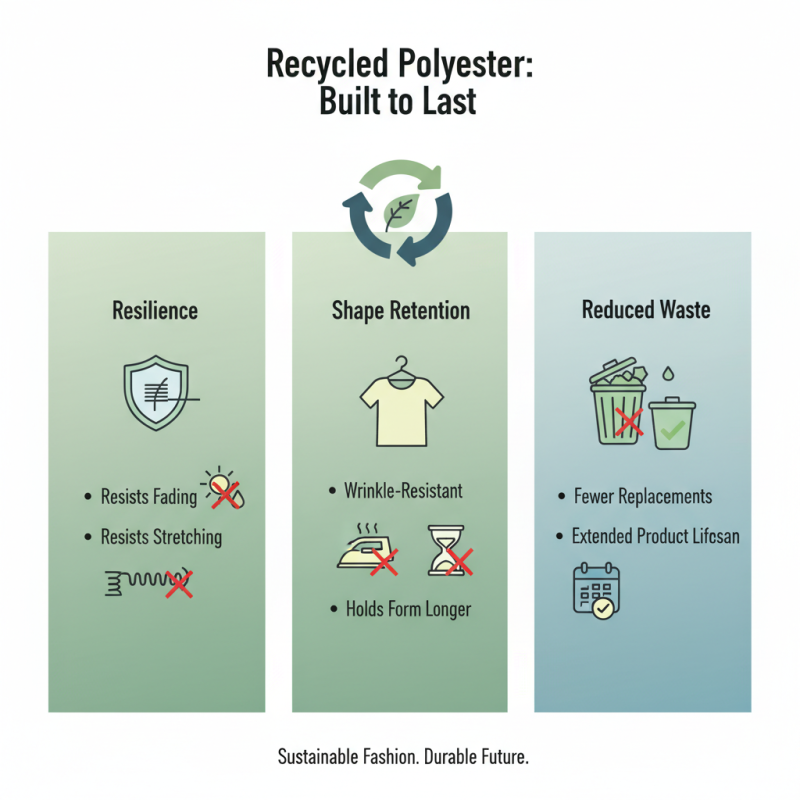
Recycled polyester fabric is gaining attention in sustainable fashion. Its durability is one key reason. This material withstands wear and tear. Clothes made from recycled polyester often resist fading, stretching, and wrinkling. They retain their shape and look for a long time. This longevity means fewer replacements and less waste over time.
Performance is another crucial aspect. Recycled polyester is breathable and moisture-wicking. It keeps the wearer comfortable in various conditions. Many outdoor and sports brands favor this fabric for its practicality. It allows for movement and flexibility, which is essential for active lifestyles. Yet, some may find it lacks the luxurious feel of natural fibers.
Tip: When choosing garments, look for certifications indicating recycled content. It helps verify the environmental claim. Consider the production process too. Not all recycled polyester is created equal. Evaluate brands that prioritize ethical practices.
Tip: Experiment with layering these fabrics. Pairing with natural materials can offer comfort and style. This combination might solve the feel issue some consumers experience. Ultimately, recycled polyester has potential but warrants careful consideration.
Consumer Awareness and Demand for Sustainable Fabric Choices
Consumer awareness about sustainable fashion is rising. Many individuals are now seeking eco-friendly fabric options. Among these, recycled polyester is garnering attention. This material is made from post-consumer plastic waste. It helps reduce landfill waste, offering a second life to discarded bottles.
The demand for recycled polyester is not just a trend. More consumers are concerned about environmental impact. They wish to make responsible choices. This mindset can challenge traditional fabric production methods. However, not all recycled polyester is made equally. The journey from plastic waste to fabric can be complex. Some recycled versions may still involve harmful processes. Raising awareness about these differences is crucial for informed decisions.
People often overlook the hidden costs behind fabric choices. The allure of trendy styles can overshadow sustainability. While recycled polyester has benefits, consumers should remain critical. The impact on the planet should be a priority. Balancing fashion with eco-consciousness requires ongoing reflection and effort. Only then can true sustainable fashion emerge.
Innovations and Trends in Recycled Polyester Fabric Production
Recycled polyester fabric is making waves in sustainable fashion. The production methods have advanced significantly in recent years. Innovations now focus on reducing energy consumption and water usage. For instance, new processes claim to use up to 50% less water compared to traditional polyester production. The circular economy is becoming more prominent in the textile industry.
Using recycled materials reduces plastic waste. According to a 2022 report from the World Economic Forum, about 300 million tons of plastic are produced annually. Only 9% of this is recycled. This stark reality pushes the need for alternatives like recycled polyester. Brands are looking for more eco-friendly suppliers as consumer awareness grows. Recent trends show that more companies are switching to recycled materials.
Tips: When buying clothes, check the fabric labels. Look for items made with recycled polyester. Choosing brands that prioritize sustainability can help reduce your carbon footprint. Remember, some products may claim to be recycled, but their actual impact may vary. So, do some research before making a purchase.
Sustainable fashion is evolving, but challenges remain. Not all recycled polyester is created equal. Transparency is often lacking in sourcing materials. It is crucial to reflect on product origins and production methods, as not all resonate with true sustainability.