What is Stamped Fabric and How is it Used?
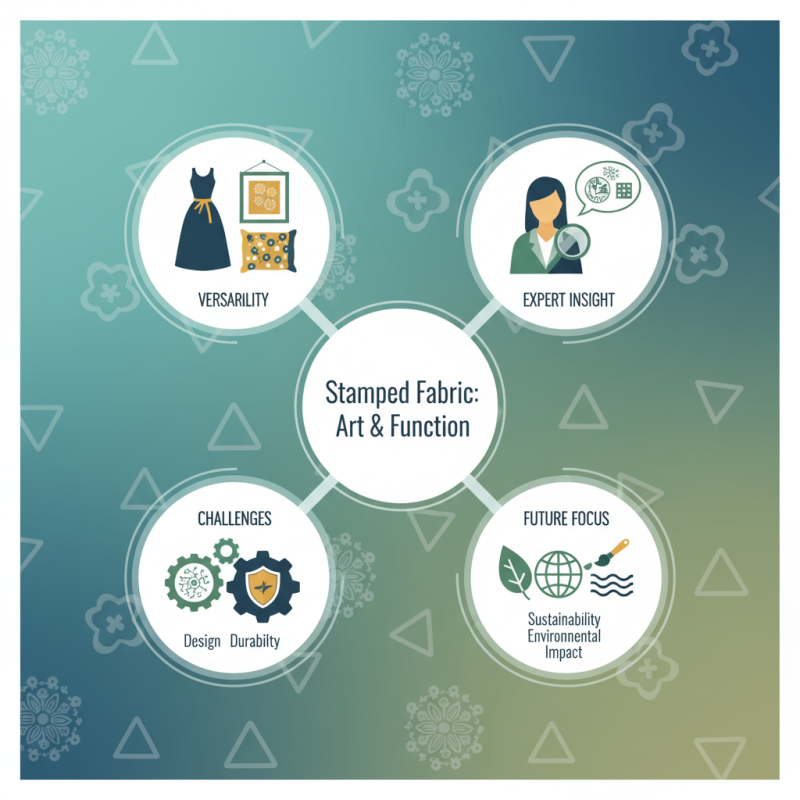
Stamped Fabric is a unique material that combines art and function in the textile industry. It has gained popularity for its versatility and aesthetic appeal. Renowned textile expert, Dr. Emily Carter, once stated, "Stamped Fabric transforms ordinary textiles into extraordinary statements." This highlights its role in fashion and design.
In various applications, Stamped Fabric stands out. Designers use it for clothing, home décor, and even art installations. Imagine a vibrant pillow with intricate stamped patterns on your sofa. The texture and design can change the entire room's atmosphere. However, the process of creating Stamped Fabric involves challenges. Finding the right balance between design and durability can be difficult.
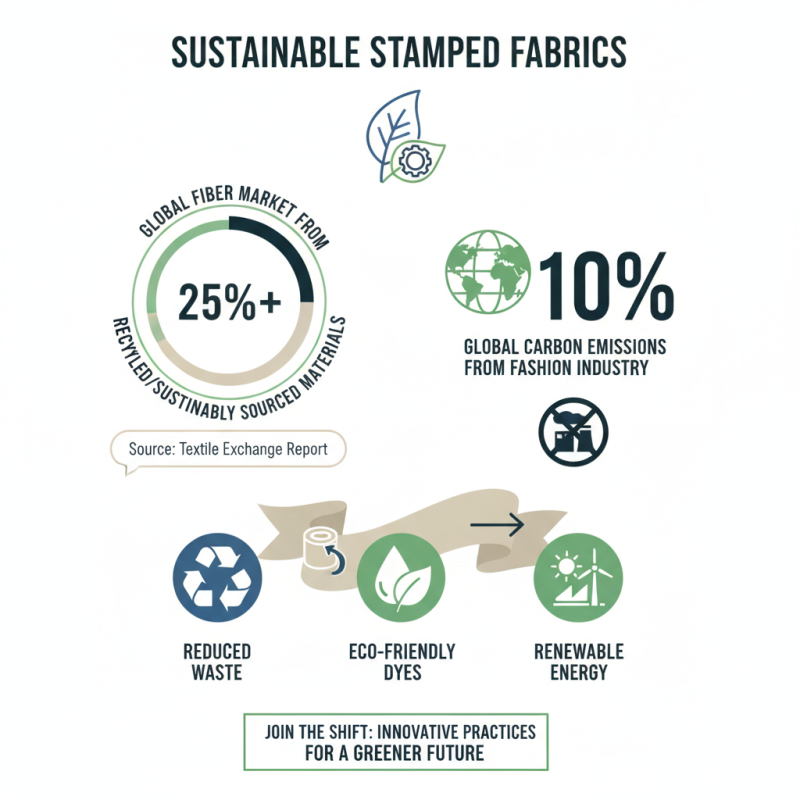
Many aspects of Stamped Fabric need further exploration. For instance, sustainability in sourcing materials is becoming increasingly important. Designers must reflect on the environmental impact of their choices. As the industry evolves, Stamped Fabric will continue to serve as a canvas for creativity, pushing boundaries while addressing these pressing concerns.
What is Stamped Fabric? Definition and Overview of Its Characteristics
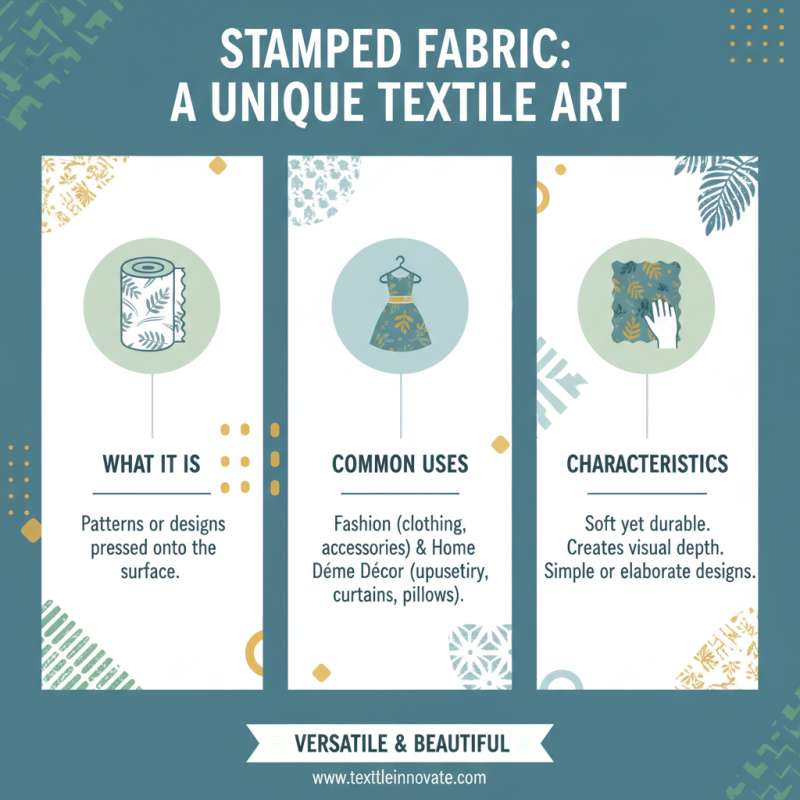
Stamped fabric is a unique textile that features patterns or designs pressed onto the surface. This technique is commonly used in the fashion and home décor industries. The patterns can be simple or intricate, creating a beautiful visual depth. Stamped fabric often feels soft yet durable, making it suitable for various applications.
One interesting aspect of stamped fabric is its versatility. It can be used for clothing, upholstery, or even craft projects. The stamping process allows for a range of designs to be created, from floral motifs to geometric shapes. However, the quality of the stamping can vary. Some fabrics may fade or wear over time. It's essential to choose wisely.
Tips: When choosing stamped fabric, consider its intended use. For outdoor items, look for UV-resistant options. Always check care instructions; some fabrics may require special handling. Keep in mind that patterns can sometimes clash, so mix and match carefully.
Historical Development of Stamped Fabric in Textile Industry
Stamped fabric has an intriguing history rooted in various textile traditions. Its development can be traced back to ancient civilizations. The use of carved blocks for printing dates back to China. Japanese artisans also contributed significantly, creating intricate designs. Each region added its distinctive touch, making stamped fabric diverse and unique.
During the Industrial Revolution, stamped fabric gained immense popularity. Machines began to replace hand printing, enabling mass production. This shift transformed the textile industry. However, it led to concerns about quality and craftsmanship. Artisans found it challenging to compete with factory-made products. Despite these challenges, many revived traditional methods, focusing on sustainable practices. The contrast between machine-made and handmade fabrics still sparks discussions in the modern market.
Today, stamped fabric sees a resurgence in fashion and decor. Designers mix historical techniques with contemporary styles. This blend often leads to innovative, yet imperfect outcomes. There is beauty in flaws; they tell stories of their makers. Reflecting on this legacy, we see the importance of preserving techniques while embracing change. The future of stamped fabric lies in balancing tradition with modern creativity.
What is Stamped Fabric and How is it Used? - Historical Development of Stamped Fabric in Textile Industry
| Time Period |
Development Stage |
Techniques Used |
Materials |
Applications |
| Ancient Times |
Early Form of Stamped Fabric |
Block Printing |
Cotton, Silk |
Clothing, Tapestries |
| Middle Ages |
Advancements in Printing |
Woodblock and Stencil Printing |
Wool, Linen |
Garments, Home Textiles |
| 19th Century |
Industrial Revolution Impact |
Engraved Roller Printing |
Synthetic Dyes, Various Fabrics |
Fashion Fabrics, Upholstery |
| 20th Century |
Modern Techniques Emergence |
Digital Printing |
Polyester, Blends |
Activewear, Home Décor |
| 21st Century |
Sustainability Focus |
Eco-Friendly Printing Methods |
Recycled Fabrics, Organic Cotton |
Sustainable Fashion, Eco Textiles |
Common Techniques Used in Stamping Fabric and Their Applications
Stamped fabric is a versatile material used in various industries, including
fashion, home décor, and upholstery. Common techniques for stamping fabric
include screen printing, block printing, and heat transfer printing. Each method
has unique characteristics and applications, impacting final product design and use.
Screen printing is popular for its ability to produce
bold colors. According to industry reports, this method accounts for around 30% of the fabric printing market.
It is often used for t-shirts and fashion accessories.
Block printing, a traditional technique, provides a more artisanal look. This method is growing in popularity as
consumers increasingly value handcrafted items. Studies indicate that the demand for sustainable, eco-friendly processes
is on the rise, emphasizing block printing's relevance.
Heat transfer printing allows for detailed designs with high precision. This method
is ideal for creating intricate patterns. However, it has its challenges. The durability of prints can sometimes fall short,
especially after multiple washes. It’s important to weigh the pros and cons of each technique. Manufacturers
are constantly innovating, but the quest for quality and sustainability
continues to be a complex journey.
Key Industries Utilizing Stamped Fabric and Market Trends
The stamped fabric market is experiencing notable growth across various sectors. A recent report from Textile World indicated a projected CAGR of 5.4% for stamped fabrics from 2023 to 2028. Industries such as automotive, apparel, and furnishings are major users.
Automotive manufacturers prefer stamped fabrics for their durability and aesthetic appeal. The appeal lies in the ability to customize colors and patterns easily.
In the apparel sector, sustainable practices are becoming essential. Many manufacturers are focusing on eco-friendly materials and stamped fabric techniques. However, the challenge remains in sourcing high-quality eco-friendly inks and fabrics. The global trend shows that consumers are willing to pay more for sustainable products. Reports suggest that 62% of consumers prefer brands that offer transparent sustainability practices.
Furnishings account for a significant segment as well. Stamped fabric increases the creativity seen in home decor.
Designers often look for unique motifs and textures. Yet, innovation can be limited by production costs. The market must continuously adapt to evolving consumer preferences. Flexibility in design is critical, yet companies often struggle with balancing costs and creativity. The demand for stamped fabric indicates a vibrant market, but obstacles remain for producers to navigate.