10 Tips for Choosing the Best Polyester Fabric for Your Projects?
Choosing the right polyester fabric for your projects can be challenging. Polyester fabric comes in various types, colors, and textures. Each variety has its unique qualities that may suit different needs.
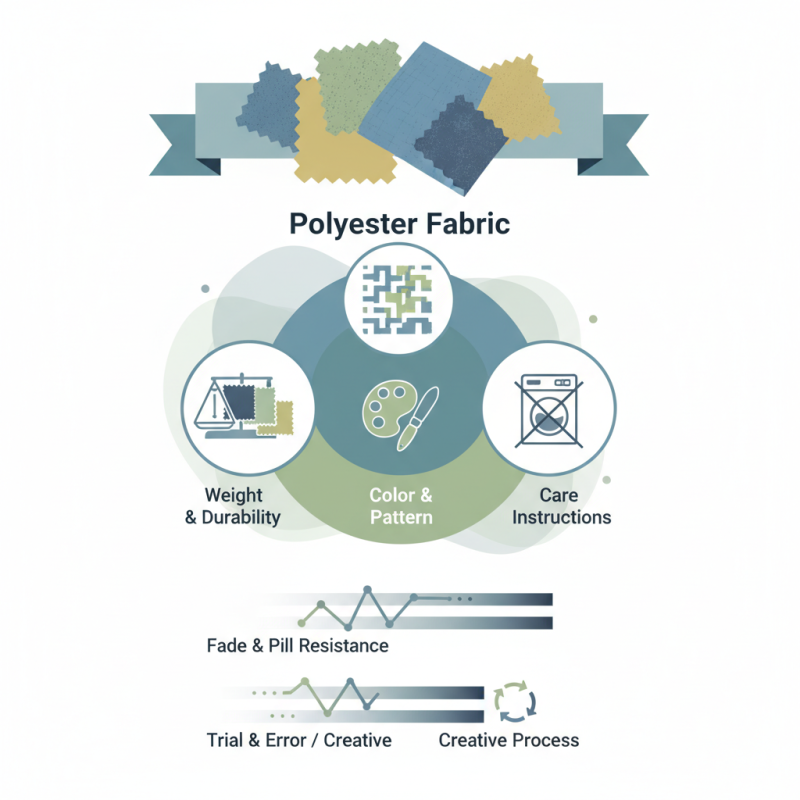
When selecting polyester fabric, consider its weight and durability. Thicker fabrics are ideal for making sturdy items, while lighter ones are great for delicate projects. The color and pattern you choose will also influence the overall look of your creation. However, be aware that not all polyester fabrics are created equal. Some may fade or pill over time.
Pay attention to care instructions. Not all polyester fabrics are machine washable. Understanding the specific requirements may save you future headaches. In the end, finding the best polyester fabric requires some trial and error. You may not get it right the first time, but that's part of the creative process. So, embrace the journey and enjoy exploring the world of polyester fabrics.
Understanding Different Types of Polyester Fabrics and Their Properties
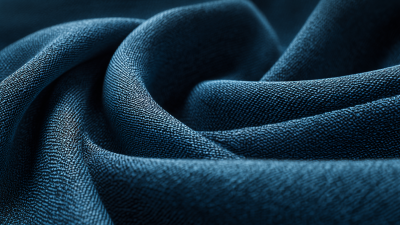
When selecting polyester fabric for your projects, understanding the different types is essential. Polyester fabrics vary widely in texture, durability, and appearance. Some are lightweight, while others have a heavier, more substantial feel. A common type is microfiber polyester, which is soft and often used for clothing. It drapes nicely and is UV resistant, making it a good choice for outdoor items.
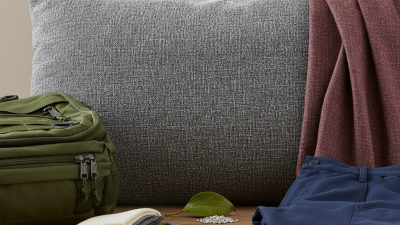
Another type is woven polyester. This fabric is known for its strength and resilience. It's often used in home furnishings. It holds its shape well but may not be as soft against the skin. When embarking on a project, consider the specific needs of your fabric. Do you desire breathability or water resistance?
Tip: Always take a swatch home. This allows you to see how the fabric behaves in its intended environment. Also, consider your project's end use. Will the fabric need to withstand heavy washing? Remember, not all polyester is created equal. Some may fade or pill over time. Therefore, test its durability before making a final choice. They’re all polyester, but each type tells its own story.
Evaluating Fabric Weight and Its Impact on Your Project
When selecting polyester fabric, fabric weight is crucial. It directly influences the drape and durability of the material. Light-weight polyester, typically below 100 grams per square meter (gsm), is ideal for summer garments. These fabrics offer breathability, but may lack the strength needed for more robust applications. On the other hand, medium weights (100-250 gsm) strike a balance. They are versatile, suitable for a variety of projects ranging from casual wear to home décor.
Industry reports highlight that heavy-weight polyester, exceeding 250 gsm, provides excellent support. This type is preferred for outerwear and upholstery. However, this fabric can be rigid and less forgiving when sewing. Many designers recommend testing fabric weight by making a small sample to ensure it meets project needs. It’s common to underestimate the influence of weight; a project may end up too heavy or too flimsy if choices are made hastily. Careful evaluation is essential for achieving desired results.
Fabric Weight Comparison for Polyester Projects
Assessing Durability and Resistance Features in Polyester Fabrics
When selecting polyester fabric, durability and resistance features are crucial. Fabrics made from 100% polyester boast exceptional strength. Studies show they are up to 50% more durable than cotton fabrics. This makes them ideal for projects that require long-lasting materials. For instance, outdoor gear benefits immensely from polyester’s ability to withstand various weather conditions.
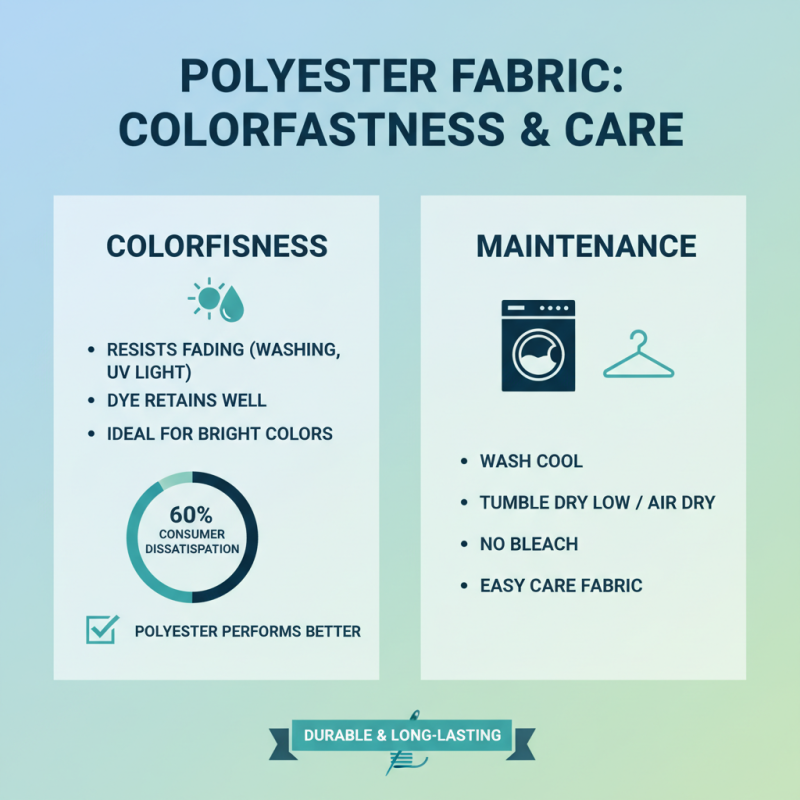
Another vital characteristic is resistance. Polyester often features resistance to mold, mildew, and UV rays. According to industry reports, treated polyester can maintain its color and structure for years. However, not all polyester fabrics are manufactured equally. Some may lack essential treatments that enhance these qualities. This can lead to issues like fading and deterioration over time.
Selecting the right type of polyester can be challenging. It is essential to assess the fabric's weaving technique and finish. These factors greatly influence durability. Fabrics with tighter weaves tend to offer better resistance to wear and tear. Always ask for samples and conduct tests. Learning through trial and error is part of the process. Embracing imperfections in your material choices often leads to surprising results.
10 Tips for Choosing the Best Polyester Fabric for Your Projects
| Feature |
Description |
Durability Rating |
Water Resistance |
| Tear Strength |
Measures the fabric's resistance to tearing. |
High |
No |
| UV Resistance |
Protection against sun exposure and fading. |
Medium |
Yes |
| Abrasion Resistance |
Ability to withstand rubbing and scraping. |
High |
No |
| Moisture Wicking |
Frequency of ventilation and moisture absorption. |
Medium |
Yes |
| Color Fastness |
Ability to retain color after washing and exposure. |
High |
No |
| Shrink Resistance |
Tendency to maintain original size after washing. |
High |
Yes |
| Pilling Resistance |
Prevention of small balls forming on the fabric surface. |
Medium |
No |
Considering Texture and Feel for Comfort in Your Fabric Choice
Choosing the right polyester fabric can greatly impact your projects. The texture and feel of the fabric are crucial for comfort. A
soft, smooth finish may feel luxurious against the skin. Conversely, a rougher texture might irritate sensitive skin.
Be mindful of this aspect.
When assessing fabric options, consider the weight.
Lighter fabrics are suitable for warm climates. Heavier polyester options offer durability for outdoor use. Pay attention to how the fabric drapes.
A fluid drape works well for garments, while stiffer fabric can hold shapes.
A simple tip: always touch the fabric before purchasing. This tactile experience helps gauge comfort. Sometimes, what looks good may feel uncomfortable.
Don’t ignore your instincts. Lastly, test a small swatch. You might find that the initial choice doesn’t match your vision.
Pay attention to your feelings. Your comfort matters in any project.