Top Fabric Textile Tips for Choosing the Right Material?
Choosing the right material in the Fabric Textile industry can feel overwhelming. Expert Sarah Johnson, a well-respected textile consultant, emphasizes, “The right fabric can make or break your design.” With countless options out there, it’s essential to understand what each material offers.
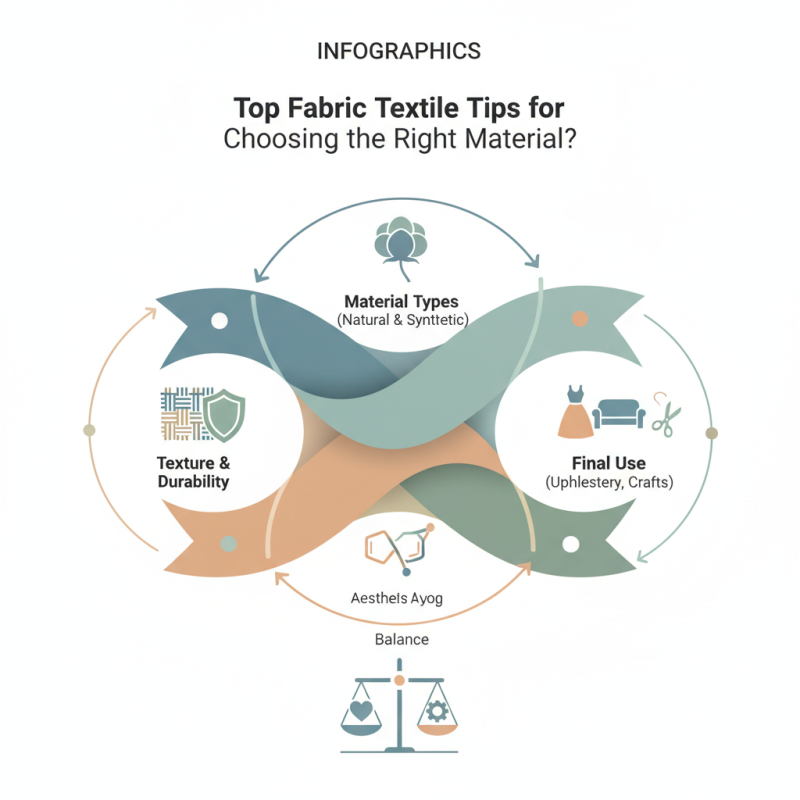
When selecting fabric, consider its texture and durability. Some fabrics may look appealing but fail to withstand wear. High-quality materials, like cotton or silk, tend to be more reliable. However, some synthetic options can also provide excellent durability at a lower cost. Don’t forget to think about the final use of the fabric. Will it be for fashion, upholstery, or crafts?
Reflecting on your choices can lead to mistakes. Many people choose fabric based on trends rather than practicality. Remember, the perfect fabric is not only beautiful but also functional. Aim to strike a balance between aesthetics and performance in the Fabric Textile realm.
Top Fabric Types: An Overview of Common Textile Materials
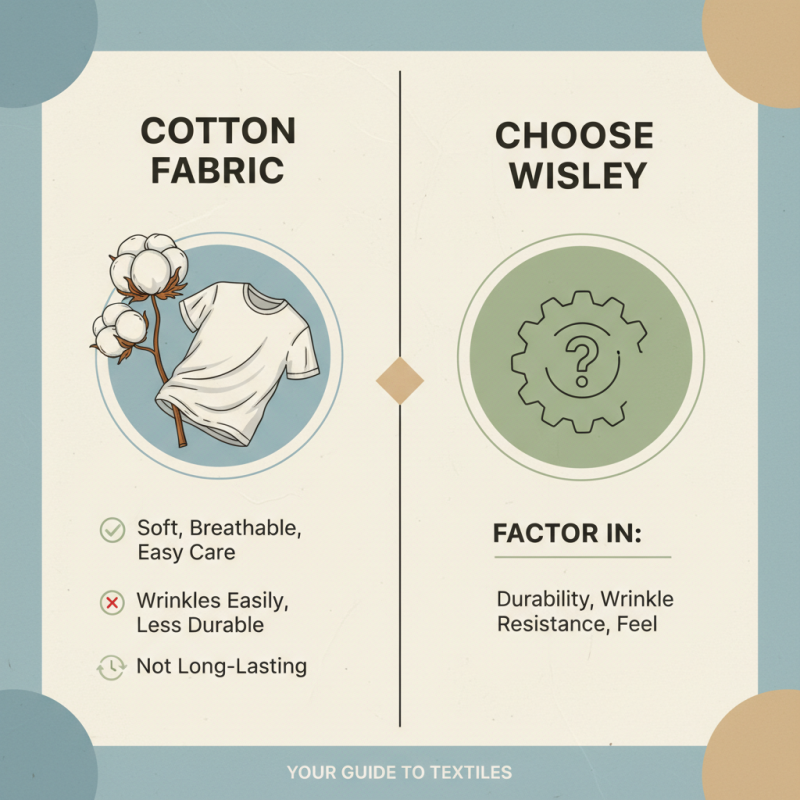
When choosing the right fabric, understanding the different textile types is essential. Cotton is one of the most common materials. It's soft, breathable, and easy to care for. However, it can wrinkle easily and isn't very durable over time. This can be frustrating if you're looking for something long-lasting.
Silk, on the other hand, offers a luxurious feel. It's smooth and elegant, often used for special occasions. Yet, silk requires delicate handling. It can be damaged by water and needs special cleaning. Some people overlook how much maintenance silk demands.
Linen is another popular choice. It has a natural texture and is quite breathable, making it a favorite for summer clothing. However, it wrinkles often and may not be suitable for every occasion. A fabric's weight and drape can also affect its usability. Heavy materials may provide warmth but restrict movement. Finding the right balance is crucial. Careful consideration of these factors will lead to better choices for your clothing or home decor.
Understanding Fabric Weight: Importance in Durability and Breathability
Choosing the right fabric is crucial. Fabric weight impacts both durability and breathability. Heavier fabrics often provide more warmth and can withstand wear and tear. However, they may not be suitable for hot climates. Lightweight fabrics are breathable but might lack longevity.
Understanding fabric weight allows you to make informed choices. A cotton fabric weighing 5 oz per square yard will feel different from one at 10 oz. Heavier cotton can last longer but might be too warm in the summer. In contrast, lightweight options might wear out quicker. It’s a balancing act.
Consider the purpose of the fabric. Is it for everyday wear or special occasions? Your choice can affect comfort significantly. Fabric weight can determine how a garment drapes and flows. Experiment with different weights. Reflect on your preferences as well. You might be surprised by what you discover.
The Role of Fiber Composition in Fabric Performance and Feel
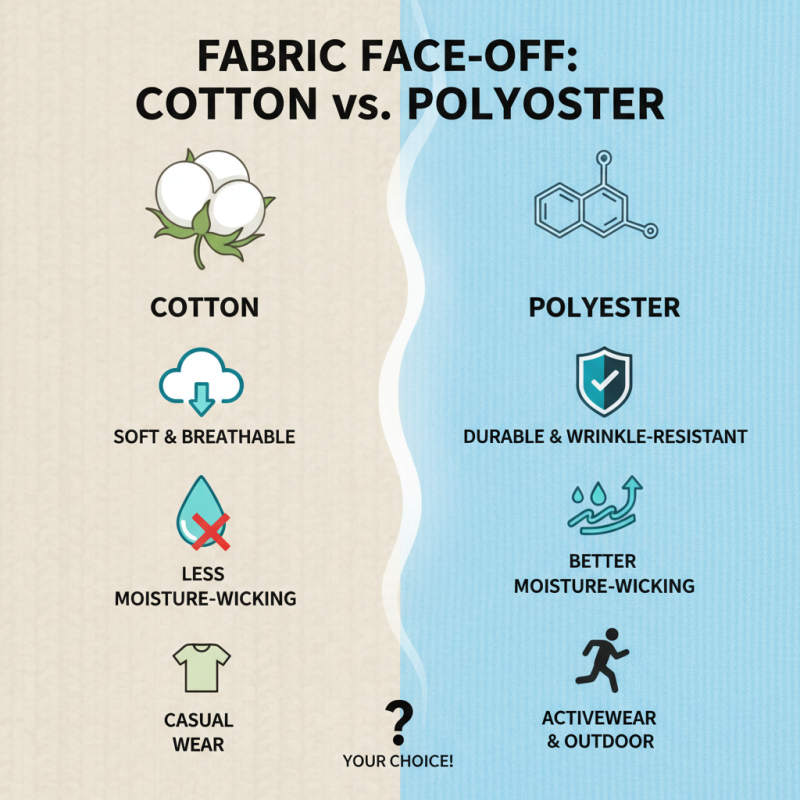
When choosing fabric, fiber composition plays a crucial role in performance and feel. Cotton, a popular choice, is soft and breathable. However, it may not provide excellent moisture-wicking properties. Polyester, on the other hand, offers durability and resistance to wrinkling. But it can feel less comfortable against the skin, especially in warm weather.
According to the Textile Institute, the blend of natural and synthetic fibers is gaining traction. Blends like cotton-polyester combine the advantages of both. These fabrics often retain softness while enhancing durability. The right combination can make garments more versatile. Yet, not all blends perform equally. It’s important to consider the intended use of the fabric.
Some fabrics fall short in breathability, leading to discomfort. Additionally, the feel of a fabric can vary depending on the finishing processes used. A popular study shows that about 30% of consumers prioritize fabric feel over other factors. This highlights the need for careful selection. It’s easy to overlook the intricacies of fiber composition. However, these details are essential for the desired garment experience.
Sustainable Fabrics: How Eco-Friendly Choices Impact the Industry
Choosing sustainable fabrics is crucial for our planet. Eco-friendly choices reduce waste and pollution. Fabrics made from organic cotton or bamboo are popular. They use fewer chemicals and water. This benefits the environment significantly.
However, not all sustainable options are perfect. Some promote rapid production, which can negate their benefits. Additionally, the misconception that all natural fibers are eco-friendly persists. For instance, conventional cotton can still be harmful due to pesticide use. It's essential to research before making choices.
Consumers play a vital role in this shift. By opting for sustainable fabrics, we encourage the industry to change. Supporting innovations in material production is key. To truly make an impact, we need to be informed and cautious in our choices. Each decision matters.
Top Fabric Textile Tips for Choosing the Right Material
| Fabric Type |
Sustainability Rating |
Key Characteristics |
Common Uses |
| Organic Cotton |
High |
Soft, breathable, biodegradable |
Clothing, bedding |
| Hemp |
Very High |
Durable, UV resistant, biodegradable |
Apparel, textiles |
| Tencel (Lyocell) |
High |
Soft, moisture-wicking, biodegradable |
Apparel, upholstery |
| Recycled Polyester |
Medium |
Durable, water-repellent, low carbon footprint |
Activewear, outerwear |
| Linen |
High |
Highly absorbent, breathable, biodegradable |
Clothing, home textiles |
Choosing the Right Fabric for Your Project: Practical Considerations
Choosing the right fabric for your project can feel overwhelming. There are countless options available, each with unique qualities. Think about the purpose of your project first. Is it for clothing, upholstery, or crafts? This will guide your selection. For example, lightweight cotton works well for summer garments, while heavier fabrics like denim provide durability for outerwear.
Consider the texture and drape of the fabric as well. Soft materials may feel nice, but they might not hold structure well. This is particularly important for tailored items. A fabric that looks great may not perform as expected. Testing swatches can reveal a lot. Holding the fabric, feeling its weight, and seeing how it drapes can help clarify choices.
Finally, reflect on your budget. High-quality materials often come at a cost, but investing in the right fabric can enhance your project. Be ready to compromise if needed. Sometimes, the allure of a beautiful fabric might overshadow its practicality. Balancing aesthetic appeal with functionality is crucial.
Top Fabric Textile Tips for Choosing the Right Material