China Top 10 Polyester Fabric Trends You Should Know?
As the global textile industry evolves, understanding the dynamics of Polyester Fabric is more important than ever. Expert Dr. Lisa Chen, a renowned authority in textile innovation, states, "The future of Polyester Fabric trends will redefine how we perceive sustainability and style." This statement sets the stage for exploring the top 10 trends shaping Polyester Fabric in China today.
The market is flooded with new materials and techniques that push boundaries. Innovations like moisture-wicking polyester and eco-friendly production methods capture attention. Consumers seek not only comfort but also sustainability. The challenge lies in balancing functionality with environmental responsibility. Brands must adapt quickly to remain relevant.
These Polyester Fabric trends reveal deeper insights into consumer preferences. Color-rich designs, eco-conscientious choices, and multifunctional fabrics showcase creativity and practicality. However, it’s essential for brands to critically assess their environmental impact. Embracing these trends requires a commitment to refining processes and materials. Recognizing room for improvement can lead to a brighter future in the textile industry.

Emerging Innovations in Polyester Fabric: Key Trends for 2023
Polyester fabric continues to evolve, showcasing remarkable innovations in 2023. Emerging trends indicate a notable shift towards sustainability. According to the Textile Exchange's 2022 report, global recycled polyester production has surged by 28%. This indicates a growing consumer demand for eco-friendly materials. Brands are increasingly investing in recycled content to reduce their carbon footprints.
Additionally, moisture-wicking technology is gaining traction. This feature enhances comfort and performance, particularly in athletic wear. A study from Market Research Future projects the global activewear market to reach $600 billion by 2025, influencing manufacturers to prioritize advanced polyester blends. These fabrics are not only functional but also lightweight and durable, appealing to a variety of consumers.
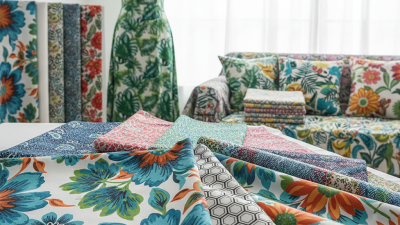
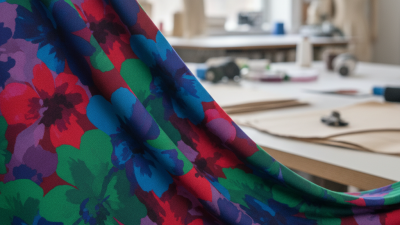
Color and design innovations are also notable. The use of digital printing technology allows for intricate patterns and custom designs. A report by Smithers Pira highlights a 20% increase in digital textile printing in the last year. However, some challenges remain. The rapid pace of trends can lead to overproduction, emphasizing the need for careful market analysis. As the industry progresses, thoughtful decisions will shape the future of polyester fabric.
Sustainability in Polyester: Recycling and Eco-Friendly Processes
As the textile industry faces mounting pressure for sustainability, polyester fabric innovation is on the rise. Recycling processes for polyester are gaining traction. According to a 2022 report by the Textile Exchange, recycled polyester accounted for about 17% of global polyester production. This shift reflects a growing demand for eco-friendly materials.
Innovative methods are emerging to produce recycled polyester. Companies use post-consumer plastic bottles to create new fabric. This process reduces waste and lowers energy consumption by 30-40% compared to virgin polyester production. However, challenges remain. Recycling facilities must improve efficiency and reduce contamination levels to enhance material quality.
Eco-friendly practices extend beyond recycling. New production technologies aim to minimize water usage and energy output. Some facilities implement closed-loop systems to recycle water, thereby creating a more sustainable environment. Nonetheless, the industry still grapples with the push for greener methods while balancing cost-effectiveness and consumer demand. Clear strategies are needed to advance towards a truly sustainable future in polyester fabrics.
Fashion and Function: The Rise of Performance Polyester Fabrics
Performance polyester fabrics are gaining traction in the fashion industry due to their functionality and aesthetic appeal. This trend reflects a growing demand for materials that not only look good but also perform well in everyday situations. Designers are taking notice, incorporating innovative polyester blends that offer durability along with comfort. These fabrics are often lightweight and resistant to wrinkling, making them ideal for various applications.
When considering performance polyester, think about breathability and moisture-wicking properties. These features enhance wearability in both casual and active settings. Fabrics that promote ventilation can help keep the body cool during warm temperatures. Look for options that provide UV protection, which is advisable for outdoor activities.
Tips: Choose garments that focus on sustainability. Recycled polyester is an excellent choice, offering an eco-friendly alternative while maintaining performance standards. Always check for certifications that verify the fabric's claims. Experiment with different finishes, like water-resistant textiles, to find the best fit for your lifestyle. Performance doesn't mean sacrificing style, so seek out unique patterns and colors that express personality.
Market Insights: Polyester Fabric Demand and Growth Projections
The demand for polyester fabric continues to rise in China, reflecting broader market trends. The versatility and durability of polyester make it a preferred choice across various sectors, from fashion to home textiles. As consumers seek sustainable options, recycled polyester is gaining traction. This shift emphasizes the need for manufacturers to innovate and adapt.
Growth projections indicate a strong upward trajectory for polyester fabric. The increasing urban population and evolving fashion trends are drivers of this growth. Polyester's moisture-wicking properties and ease of care appeal to the modern consumer. However, challenges persist. Environmental concerns related to microplastics and waste management require ongoing reflection from producers.
Market insights suggest that maintaining quality while enhancing sustainability is key. Companies must navigate changing consumer demands and regulatory pressures. Understanding these trends helps stakeholders make informed decisions. The landscape of polyester fabric is complex, and awareness of these dynamics can support healthier growth in the industry.
China Top 10 Polyester Fabric Trends
Technological Advances: Smart Textiles in the Polyester Industry
The polyester industry is witnessing transformative changes due to advancements in smart textiles. These innovations embed technology within the fabric, enhancing its functionality. For instance, fabrics can now monitor body temperature or moisture levels. This shift towards smart textile technology reflects a growing demand for versatile and functional clothing.
However, not all developments are flawless. Some manufacturers struggle to balance functionality with comfort. The integration of electronics can lead to bulky designs or higher production costs. Consumers may hesitate to adopt these products due to potential maintenance issues.
Additionally, sustainability concerns arise with tech-infused fabrics. The production of smart textiles often involves materials that are not eco-friendly. Finding a middle ground between innovation and environmental responsibility remains a challenge. Balancing cutting-edge technology with consumer needs is essential for the future of smart textiles in the polyester sector.