In today's dynamic textile market, sourcing quality materials is crucial. Polyester patterned fabric has emerged as a popular choice among designers and manufacturers alike. Its versatility and aesthetic appeal make it suitable for various applications, from apparel to home decor.
However, selecting the right polyester patterned fabric can be challenging. Factors like design, texture, and durability must be considered. Not all suppliers offer the same quality, and buyers must discern between premium and subpar options. A lack of knowledge can lead to costly mistakes.
Expert insight can guide buyers in the fabric selection process. Understanding the market trends and supplier reputations is vital. Genuine feedback from industry professionals provides valuable information. Ultimately, finding the right polyester patterned fabric requires careful research and consideration of one’s specific needs.
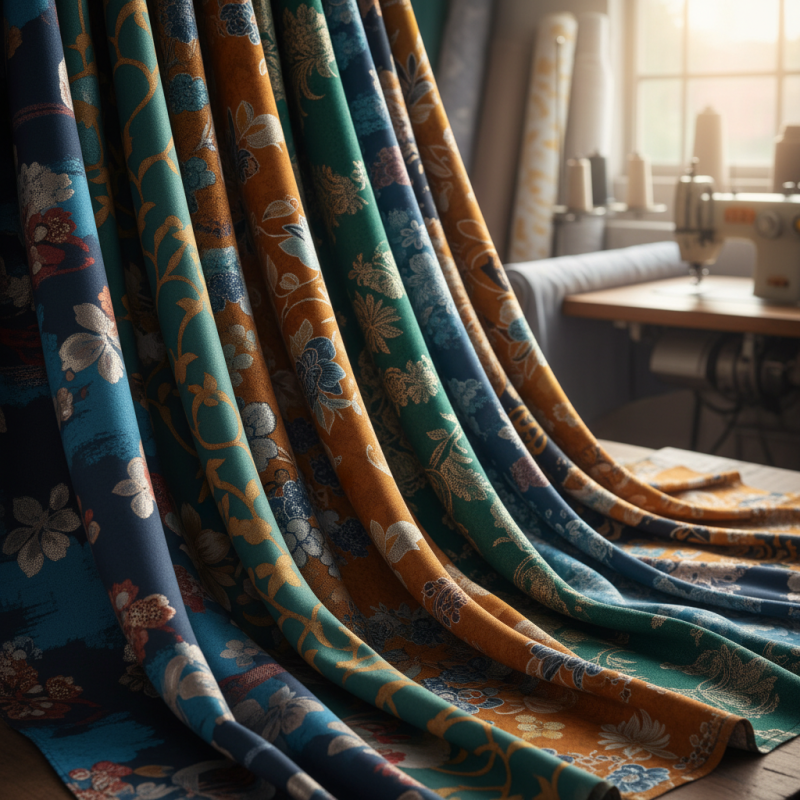
Polyester fabric has seen a significant rise in global demand. Its versatility allows for a wide range of applications, from clothing to home furnishings. The fabric's durability and moisture-wicking properties make it a popular choice among manufacturers and consumers alike. Polyester also offers vibrant color retention, which appeals to designers looking for striking visuals in their collections.
However, the rapid growth in polyester production raises environmental concerns. The synthetic nature of the fabric contributes to plastic pollution. Many factories struggle to implement sustainable practices. Consumers are growing more aware of this issue. They often seek alternatives that balance style and ecological responsibility.
Sourcing polyester fabric requires careful consideration. Quality can vary significantly across suppliers. Transparency in production processes is crucial. Navigating these choices can be challenging, as not all manufacturers adhere to the same standards. Engaging with reputable suppliers is essential to meet global sourcing needs while being mindful of potential ethical implications. This evolving landscape demands continuous reflection and adjustment from all stakeholders involved.
| Fabric Type | Pattern Style | Global Demand (Metric Tons) | Main Regions | Growth Rate (%) |
|---|---|---|---|---|
| Microfiber Polyester | Geometric | 150,000 | Asia, Europe | 8% |
| Recycled Polyester | Floral | 100,000 | North America, Asia | 10% |
| Stretch Polyester | Abstract | 80,000 | Europe, Middle East | 6% |
| Polyester Satin | Striped | 75,000 | Asia, Africa | 5% |
| Polyester Twill | Plaid | 70,000 | North America, Europe | 7% |

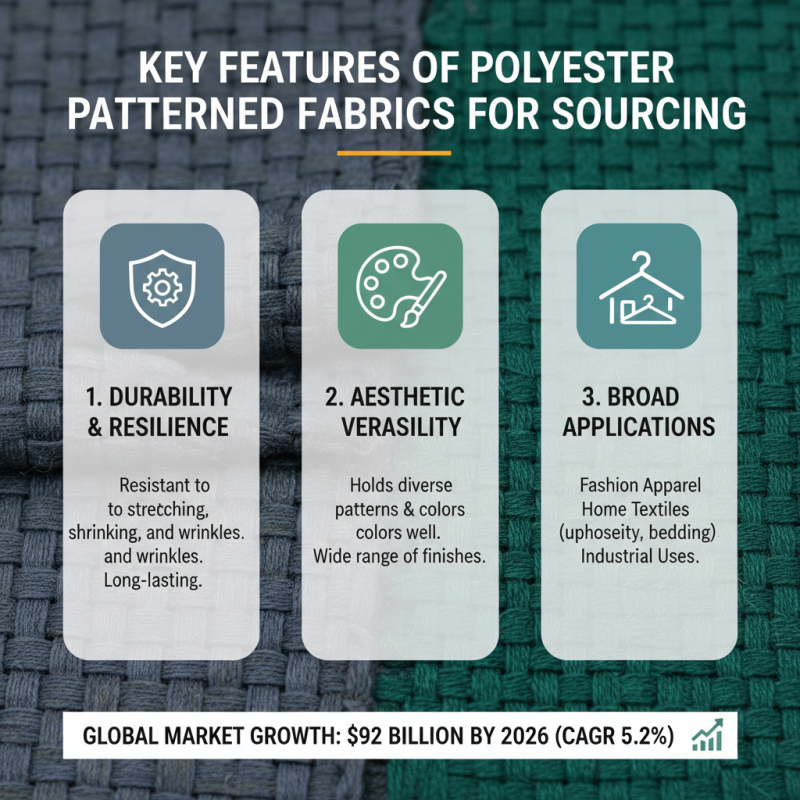
Polyester patterned fabrics are increasingly essential in global sourcing. Their popularity stems from a blend of durability and aesthetic appeal. These fabrics serve various applications, from fashion to home textiles. According to a recent industry report, the global polyester fabric market is expected to reach $92 billion by 2026, growing at a CAGR of 5.2%.
Key features that enhance their appeal include versatility, cost-effectiveness, and moisture-wicking properties. Polyester is known for its strength and resistance to wrinkles. This makes it suitable for everyday wear and long-lasting products. Moreover, it offers vibrant colors and prints, contributing to its design flexibility. A study by the Textile Institute highlights that over 60% of fashion brands prefer polyester blends due to their affordability and performance.
Sourcing polyester patterned fabrics involves carefully assessing suppliers. Quality inconsistencies can arise in mass production. Some fabrics may not meet stringent environmental standards, raising concerns among eco-conscious consumers. Balancing price and quality remains a challenge. Evaluating supplier certifications for sustainability can help mitigate risks. Hence, sourcing professionals should remain vigilant to ensure reliable and ethical procurement practices.
When sourcing polyester patterned fabric, it is crucial to understand the landscape of suppliers and manufacturers. Many companies specialize in producing high-quality fabrics that meet various global needs. A diverse range of patterns is available, from vibrant prints to subtle textures. These suppliers often hold significant market expertise and can provide valuable insights into current trends.
When looking for suppliers, ensure they have a reliable track record. Conduct research to find well-established companies with positive feedback. Review their fabric samples to get a sense of quality. Check for certifications that demonstrate compliance with industry standards. This can be an indicator of their commitment to sustainability and ethics, factors increasingly important in today’s market.
Tips: Always request samples before placing large orders. This helps to avoid unpleasant surprises. Open communication with suppliers is essential. Address any questions or concerns upfront to maintain smoother transactions. Be cautious when engaging with new suppliers. Trust your instincts and gather as much information as possible.
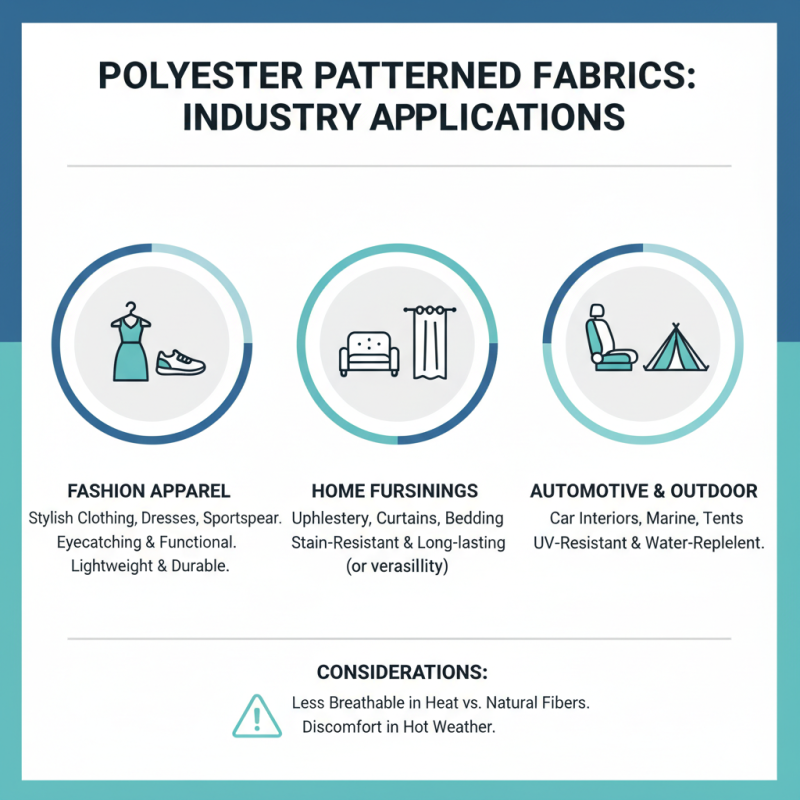
Polyester patterned fabrics have gained traction across various industries due to their versatility and durability. In fashion, these fabrics are commonly used for stylish clothing items. From vibrant dresses to trendy sportswear, the designs can be eye-catching and functional. The lightweight and breathable nature of polyester makes it ideal for activewear. However, sometimes the fabric can feel less breathable than natural fibers, causing discomfort in hot weather.
In the home decor sector, polyester patterned fabrics play a key role too. They are popular for curtains, cushions, and upholstery. The bright prints add a decorative touch, making spaces feel lively. Polyester is also resistant to fading, which is a significant advantage in brightly lit areas. Yet, the synthetic origin can be a concern for eco-minded consumers who prioritize sustainability.
In the automotive industry, upholstery fabrics made from polyester are highly valued. These materials are not just durable; they are also easy to clean. This can be beneficial for car interiors, where spills and stains are inevitable. However, some users find that polyester can retain heat, making seats uncomfortable under direct sunlight. This highlights the necessity for manufacturers to strike a balance between performance and user comfort.
The world of polyester fabric patterns is evolving quickly. Designers are drawn to bold colors and intricate designs. Geometric patterns and floral motifs are popular choices. These patterns not only attract attention but also reflect current trends. Many consumers prefer fabrics that combine aesthetics with functionality. This trend highlights the demand for durable yet stylish materials.
Market preferences often shift due to cultural influences and seasonal changes. Unique designs resonate well with consumers seeking individuality. However, not all patterns are universally appealing. Some may find over-complicated designs overwhelming. This situation can lead to a disconnect between supply and demand. It's crucial for manufacturers to balance creativity with practicality. Feedback from end-users plays a vital role in guiding these choices.
The versatility of polyester fabric patterns is undeniable. They can cater to various industries, from fashion to home decor. As trends change, staying updated on consumer preferences is essential. Yet, one must consider that not every design will succeed. The landscape of polyester fabric remains dynamic, filled with opportunities for innovation and improvement.