Top 10 Polyester Printed Shirt Fabrics for Global Buyers?
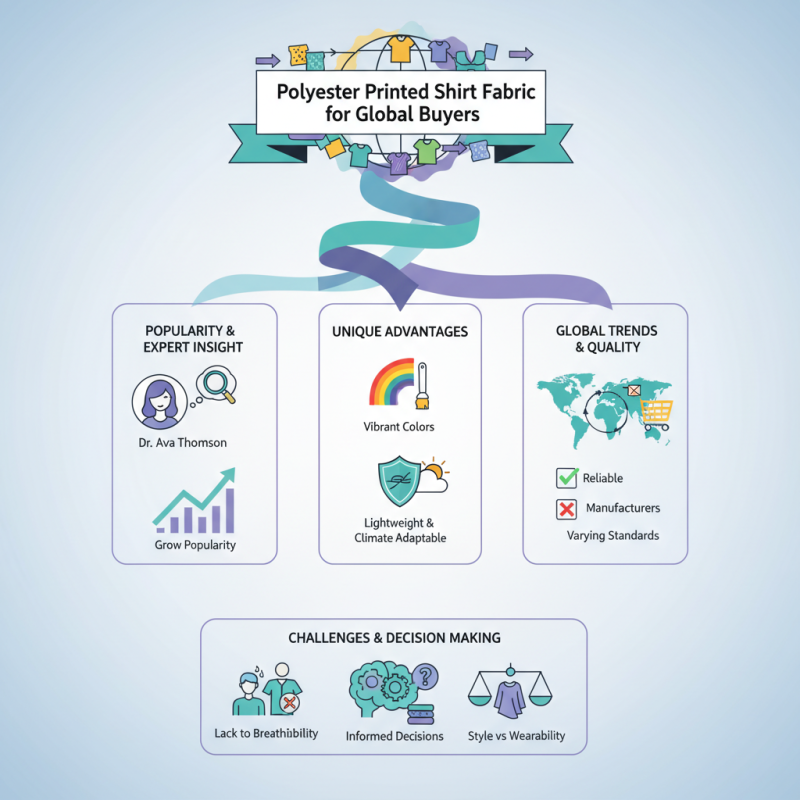
In the dynamic world of fashion, "Polyester Printed Shirt Fabric" has emerged as a game-changer. It's not just popular; it's essential for a modern wardrobe. Experts like Dr. Ava Thompson, a renowned textile specialist, emphasize its importance. She states, “The versatility and affordability of polyester prints shape global fashion trends.”
This fabric offers unique advantages, including vibrant colors and durability. Its lightweight nature makes it ideal for various climates. Global buyers are increasingly drawn to polyester prints for their innovative designs. However, not all suppliers maintain the same quality standards. It's crucial to research and choose reliable manufacturers.
Despite its many benefits, challenges exist. Some polyester fabrics can lack breathability, affecting comfort. Buyers must be discerning, identifying materials that balance style with wearability. As the market evolves, understanding the nuances of "Polyester Printed Shirt Fabric" becomes vital for making informed decisions.
Overview of Polyester Printed Shirt Fabrics
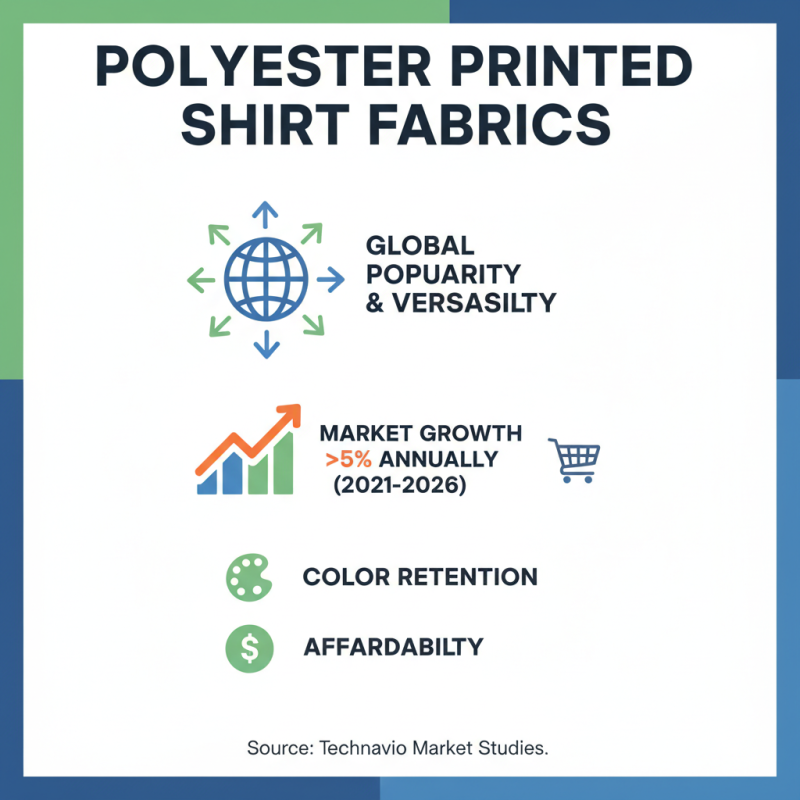
Polyester printed shirt fabrics have gained popularity globally due to their versatility and affordability. According to market studies by Technavio, the polyester fabric market is expected to grow by over 5% annually from 2021 to 2026. This growth indicates a rising demand for printed designs that cater to various demographics. Many consumers appreciate the fabric's ability to retain color vibrancy, even after multiple washes.
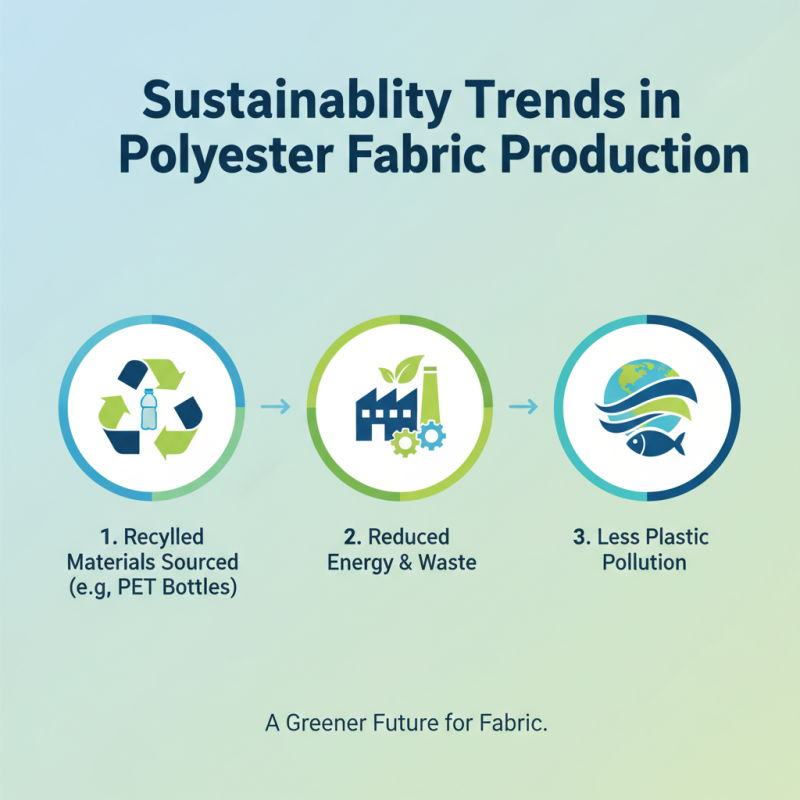
While polyester offers excellent wrinkle resistance and durability, it is essential to note that not all polyester fabrics are created equal. Quality may vary significantly among manufacturers. Some polyester prints may fade quickly or feel less comfortable against the skin. Additionally, the environmental impact of polyester, being a synthetic fabric, raises concerns about sustainability. As awareness about eco-friendly choices grows, buyers seek alternatives that balance quality and environmental responsibility.
Tech-driven advancements in textile printing technology have improved design flexibility. Digital printing allows for intricate patterns and detailed designs on polyester fabrics, which enhances overall appeal. However, this new technology also comes with challenges. Not all manufacturers have the expertise to execute complex designs effectively. The inconsistency in quality can lead to disappointment for global buyers looking for reliability.
Key Features of Popular Polyester Fabrics
Polyester printed shirt fabrics are popular among global buyers. These fabrics offer a variety of key features that cater to different needs. They are known for their durability, vibrant colors, and wrinkle resistance. The prints on polyester fabrics are often sharp and vivid, thanks to the fabric's ability to hold dyes well. Many buyers appreciate how these shirts maintain their appearance even after multiple washes.
Consider this: not all polyester fabrics are created equal. Some can feel stiff, while others are soft and breathable. It's crucial to test a sample before making large orders. Pay attention to the weight and texture of the fabric. Heavier fabrics may be less breathable but are generally more durable. Look for lightweight options if comfort and airflow are priorities.
Choosing the right polyester fabric also involves examining the print quality. High-quality prints resist fading and maintain their brilliance over time. However, cheaper alternatives may not hold up as well. A good tip is to always inquire about the printing process used. This may reveal important details about the fabric's longevity. Finally, engage with suppliers who prioritize transparency in their sourcing and production methods. Their expertise can guide you toward making informed decisions.
Top 10 Polyester Printed Shirt Fabrics for Global Buyers
| Fabric Type |
Weight (GSM) |
Print Type |
Color Retention |
Breathability |
Elasticity |
Ideal Use |
| Twill Polyester |
180 |
Digital Print |
Excellent |
Moderate |
Good |
Dress Shirts |
| Satin Polyester |
150 |
Screen Print |
Good |
Low |
Excellent |
Formal Wear |
| Chiffon Polyester |
100 |
Block Print |
Very Good |
High |
Low |
Blouses |
| Polyester Cotton Blend |
200 |
Digital Print |
Good |
Good |
Moderate |
Casual Wear |
| Dobby Polyester |
220 |
Jacquard Print |
Excellent |
Low |
Good |
Business Shirts |
| Mesh Polyester |
160 |
Sublimation Print |
Very Good |
Excellent |
Moderate |
Activewear |
| Crepe Polyester |
120 |
Nature Print |
Good |
Moderate |
Good |
Summer Tops |
| Linen-like Polyester |
190 |
Ethnic Print |
Excellent |
High |
Good |
Casual and Formal |
| Ribbed Polyester |
130 |
Striped Print |
Good |
Low |
Good |
Seasonal Wear |
| Polyester Fleece |
250 |
Graphic Print |
Good |
Excellent |
Moderate |
Outerwear |
Top 10 Polyester Printed Shirt Fabrics for Global Markets
Polyester printed shirts have gained immense popularity in global markets. The versatility and vibrant colors of these fabrics attract many buyers. These materials can be used for various purposes, from casual wear to formal occasions. Understanding fabric characteristics helps buyers make informed decisions.
When choosing polyester fabrics, consider the weight and drape. Lightweight fabrics are suitable for summer wear, while heavier ones work well in cooler months. Check for durability and color-fastness. Buyers should ensure that the fabric retains its vibrancy after multiple washes. Conducting a simple burn test can also help determine polyester content.
Tips: Before purchasing, request fabric swatches. This allows you to feel the texture and evaluate print quality. Pay attention to the fabric's breathability, especially in warmer climates. Lastly, reflect on the ethical practices of suppliers. Sustainable sourcing often leads to better quality and production standards.
Factors Influencing Buyer Preferences in Polyester Fabrics
When it comes to polyester printed shirts, buyer preferences are influenced by several factors. The feel of the fabric is paramount. A shirt that feels soft and breathable attracts more consumers. Many buyers prefer lightweight polyester for comfort. The print quality also matters. Vibrant colors and durability often lead buyers to favor certain options.
Design is another critical aspect. Unique patterns can draw attention, especially in a crowded market. Buyers often seek trends that reflect their personal style. Sustainability is slowly becoming a concern as well. Some shoppers are looking for eco-friendly options, even in synthetic fabrics. This shift in mindset complicates buyer decisions.
Price considerations cannot be ignored. Buyers often weigh the cost against quality. Affordable options with good quality are highly desired. However, some buyers are willing to invest more for better longevity. In this complex landscape, understanding these influences is essential for sellers to meet buyer needs effectively.