Top 10 Polyester Woven Fabrics for Global Buyers?
The demand for Polyester Woven fabrics continues to soar in the global textile industry. According to a report by Market Research Future, the global polyester fabric market is projected to reach USD 178 billion by 2025, with a compound annual growth rate of 5.6%. This growth is driven by the versatility and durability of polyester woven materials in various applications, from fashion to home textiles.
Polyester Woven fabrics offer unique properties. They are lightweight, resistant to wrinkles, and easy to maintain. This has led to an increasing preference among consumers for polyester over other fibers. However, it is essential to consider the environmental impact of polyester production and disposal. The industry must reflect on sustainable practices to balance growth and ecological responsibility.
Understanding the top polyester woven options can aid buyers in making informed choices. Each fabric variant brings distinctive characteristics that can be matched with specific needs. However, challenges remain in sourcing ethically produced materials, often leaving buyers to question the true sustainability of their choices. As we explore the top ten polyester woven fabrics, recognizing the broader implications of these selections is crucial for responsible consumption in a rapidly evolving market.
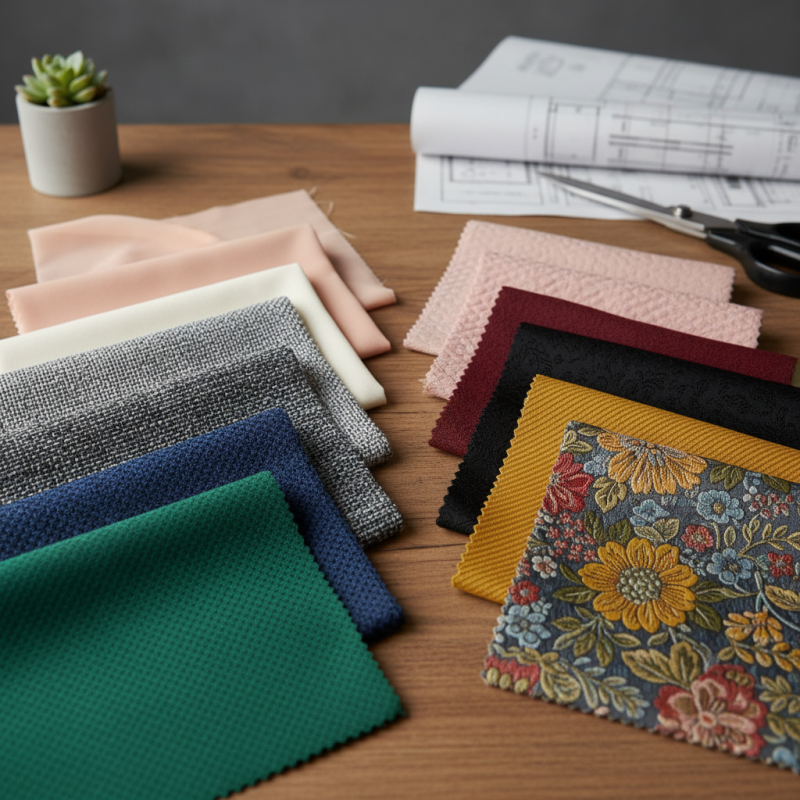
Overview of Polyester Woven Fabrics and Their Importance
Polyester woven fabrics have gained significant importance in various sectors. These materials are known for their durability and versatility. They can withstand wear and tear, making them ideal for clothing and industrial applications. Additionally, the ability to resist wrinkles and fading enhances their appeal.
In the textile industry, polyester fabrics are favored for their cost-effectiveness. Manufacturers often use them in bulk production. As a result, these fabrics can provide a reliable solution for mass-market needs. However, the environmental impact of polyester recycling remains a concern. Although efforts to develop more sustainable options are underway, the challenges persist.
Versatility is another key attribute of polyester fabrics. They can be blended with other fibers to enhance comfort and functionality. This blending process can create unique textures and finishes, allowing for creative designs. Still, some purists argue that polyester lacks the natural feel of fabrics like cotton or linen. As the industry evolves, the pursuit of quality and sustainability continues to shape fabric production.
Top 10 Polyester Woven Fabrics for Global Buyers
This chart illustrates the global popularity of the top ten polyester woven fabrics based on search interest. Each fabric type represents a unique segment of the textile market, showcasing varying levels of demand and usage in various applications.
Key Characteristics and Advantages of Polyester Woven Fabrics
Polyester woven fabrics have gained popularity across various industries. Their unique characteristics contribute to their widespread use. One remarkable trait is their durability. Polyester is resistant to wear and tear, making it ideal for long-lasting applications. Buyers appreciate this quality for both clothing and upholstery.
Another significant advantage of polyester woven fabrics is their moisture-wicking ability. This feature is particularly beneficial for athletic wear. Fabrics help keep the wearer dry during intense activities. Additionally, these materials are easy to care for. They resist wrinkles and maintain their shape well after washing.
However, some buyers may overlook the environmental impact of polyester production. While the fabric offers many benefits, the production process can be resource-intensive. This aspect raises questions about sustainability. Balancing performance and environmental concerns is essential. Buyers should consider both aspects when choosing fabrics for their needs.
Top 10 Polyester Woven Fabric Types for Diverse Applications
Polyester woven fabrics are becoming increasingly essential in various industries. These materials offer durability, versatility, and affordability. According to the Global Polyester Fiber Market report, the demand for polyester is projected to reach 78 million tons by 2026. This growth highlights its importance in fashion, home textiles, and industrial applications.
One popular type is the polyester satin. It is known for its luxurious sheen. This fabric is commonly used in evening wear and home décor. Another widely used type is polyester taffeta. It is lightweight and has a crisp texture, making it ideal for linings and lightweight jackets. A report from Technavio indicates that taffeta’s unique properties will sustain its market share in the coming years.
Despite its popularity, challenges remain. Some polyester fabrics are less breathable, making them unsuitable for hot climates. Additionally, their environmental impact can be a concern. There is ongoing research to improve the sustainability of polyester production. Innovations in recycling and biodegradable alternatives are showing promise in addressing these issues. This evolution defines the future of polyester woven fabrics in the global market.
Market Trends and Global Demand for Polyester Woven Fabrics
Polyester woven fabrics continue to gain traction in the global market, driven by robust demand across various sectors. The Global Textile Market Report indicates that polyester accounts for nearly 60% of all fabrics used worldwide. This surge is due to its durability, versatility, and cost-effectiveness, making it a favored choice among manufacturers and consumers alike.
However, the sustainability aspect of polyester production often raises concerns. Many producers are now shifting toward recycled polyester, which is gaining popularity. According to a study by the Textile Exchange, the use of recycled polyester has increased by 30% since 2019. Yet, challenges remain in how to effectively scale these initiatives while maintaining quality.
The demand for polyester woven fabrics in apparel, home textiles, and technical applications is growing. Reports show that the apparel segment alone is projected to grow at a CAGR of 6.5% from 2022 to 2030. Despite this, the market is not without its difficulties. Variability in raw material prices and shifting consumer preferences towards sustainable options could impact future growth. The ability for manufacturers to adapt is crucial for sustaining market presence.
Top 10 Polyester Woven Fabrics for Global Buyers
| Fabric Type |
Weight (g/m²) |
Width (cm) |
Usage |
Demand Growth (%) |
| Plain Satin |
80 |
150 |
Apparel |
5 |
| Taffeta |
60 |
140 |
Lining and Accessories |
7 |
| Ripstop |
100 |
160 |
Outdoor Gear |
10 |
| Canvas |
350 |
200 |
Bags and Tarps |
12 |
| Shantung |
70 |
120 |
Formal Wear |
6 |
| Georgette |
50 |
150 |
Dresses and Blouses |
8 |
| Dobby |
110 |
160 |
Shirts and Blouses |
9 |
| Brocade |
150 |
130 |
Ceremonial Wear |
4 |
| Twill |
220 |
160 |
Workwear |
15 |
| Chiffon |
40 |
140 |
Evening Wear |
11 |
Sourcing Considerations for Global Buyers of Polyester Woven Fabrics
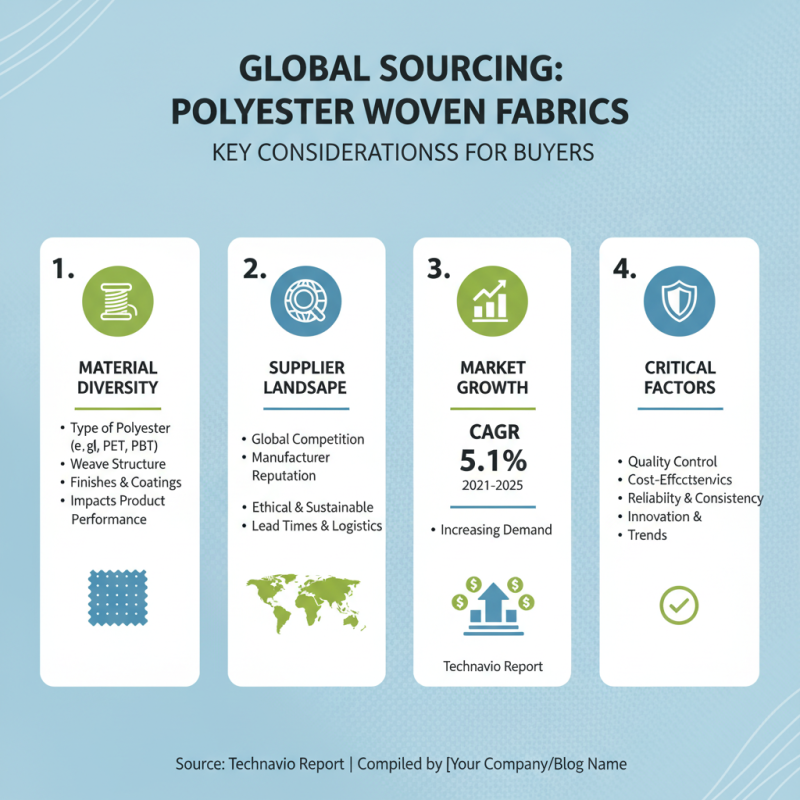
When sourcing polyester woven fabrics, buyers must consider several critical factors. The diversity of polyester materials means your choice greatly impacts the final product. According to the Technavio report, the global polyester market is projected to grow at a CAGR of 5.1% from 2021 to 2025. This indicates increasing demand, leading to intense competition among suppliers.
Quality is crucial when selecting fabrics. Factors such as weave type, weight, and finishing treatments play significant roles in fabric performance. Buyers should also be aware of sustainability practices. The production process for polyester can have environmental implications. Sustainable options, although sometimes pricier, may provide long-term benefits.
Price is another key concern. While quality fabrics may come at a higher cost, they can result in better durability and eventual savings. According to a recent study, low-quality fabrics often lead to higher returns and customer dissatisfaction. It’s essential to balance cost with quality, keeping in mind the risks associated with cheap alternatives. Engaging with reliable suppliers is vital to mitigate these risks.