Top Tips for Sourcing Polyester Dyed Fabric Globally?
In the dynamic world of textile manufacturing, sourcing high-quality Polyester Dyed Fabric is crucial. Experts like Dr. Emily Chen, a renowned textile specialist, emphasize, "The right fabric can enhance product appeal and durability." This resonates in a global market driven by color trends and fabric innovation.
Navigating the complexities of international sourcing requires not only a keen eye for quality but also an understanding of global suppliers. Each region offers unique styles and dyeing techniques. However, language barriers and differing standards can pose challenges. Establishing clear communication is essential for building reliable partnerships.
Moreover, with sustainability being a growing concern, sourcing Polyester Dyed Fabric responsibly is vital. Some manufacturers claim eco-friendly processes, yet it's challenging to verify these claims. Prospective buyers must conduct deep research on suppliers’ practices. Balancing quality, cost, and ethical sourcing demands careful consideration and reflection.

Understanding Polyester Dyed Fabric and Its Global Market
Understanding polyester dyed fabric is crucial in today's textile market. This fabric is highly versatile and widely used in various applications. Its dyeing process allows for vibrant colors and intricate patterns, making it popular among manufacturers. The global market for polyester dyed fabric is expansive, driven by demand in fashion, home textiles, and industrial use.
Sourcing this specialty fabric can be challenging. Quality can vary between suppliers. It’s important to assess the reliability of manufacturers. Engaging with several vendors helps establish trust. Visiting factories for firsthand inspection can provide insights into their processes. Many suppliers boast about sustainable practices, but verifying claims is essential.
Transparency plays a vital role in sourcing. Understanding the environmental impact of dyestuffs used is necessary for ethical considerations. Many buyers overlook this aspect. Also, price negotiations can lead to misunderstandings if not approached carefully. It’s wise to document agreements clearly. Communication is key in maintaining good relationships with suppliers. This creates a foundation for future collaborations.
Key Factors to Consider When Sourcing Polyester Dyed Fabric
When sourcing polyester dyed fabric globally, several key factors demand attention. The global market for polyester fabrics is projected to reach $130 billion by 2027, driven by rising demand across various sectors, such as fashion and outdoor textiles. Understanding market trends is crucial. Color consistency and dye fastness are essential characteristics that consumers expect. Sourcing from reliable suppliers ensures these standards are met consistently.
Another critical aspect involves ethical sourcing practices. Reports indicate that 53% of consumers prefer brands that adopt sustainable methods. Transparency in the supply chain is vital. Certifying suppliers can mitigate risks associated with labor practices and environmental sustainability. It's beneficial to request documentation verifying ethical standards and production methods.
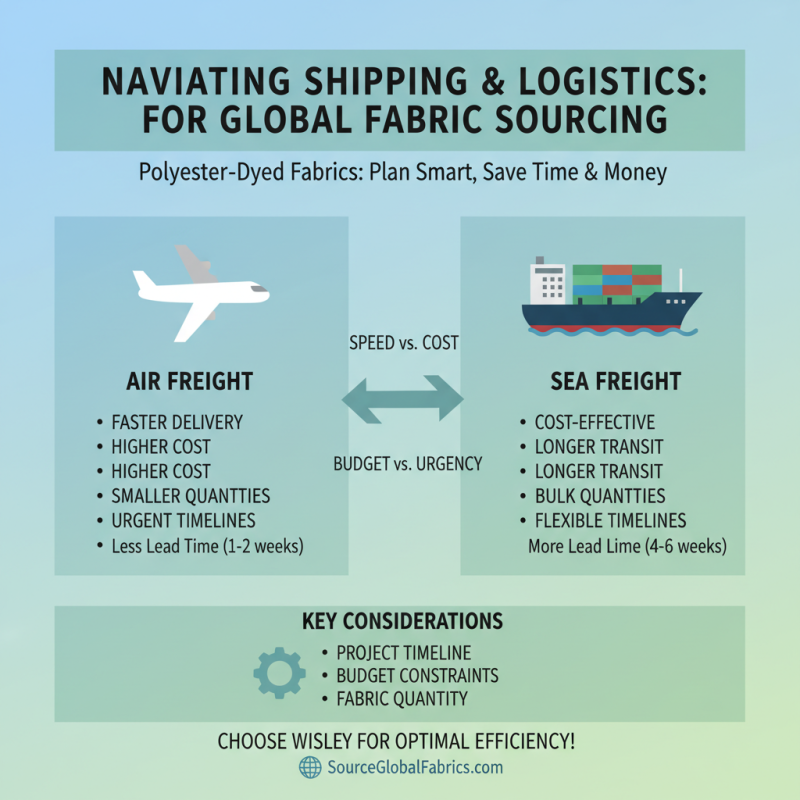
Additionally, logistics should not be overlooked. Lead times can vary significantly between regions. It’s essential to consider local regulations and tariffs. Engaging with suppliers who have a sound understanding of logistics can streamline the process. Regular communication with suppliers can uncover potential issues early, fostering a relationship of trust and reliability. Remember, the journey of sourcing is often fraught with challenges, and adaptability is crucial for success.
Top Tips for Sourcing Polyester Dyed Fabric Globally
| Factor |
Description |
Considerations |
| Quality Standards |
Ensure the fabric meets international quality standards. |
Look for certifications like ISO and OEKO-TEX. |
| Cost |
Evaluate the total cost including shipping and duties. |
Get quotes from multiple suppliers to compare prices. |
| Supplier Reliability |
Assess the supplier's reliability and track record. |
Check reviews and ask for references. |
| Lead Time |
Understand the lead times for production and shipping. |
Build in buffer time for delays. |
| Customization Options |
Check for the ability to customize fabric colors and patterns. |
Discuss minimum order quantities for customizations. |
Effective Strategies for Finding Reliable Suppliers Worldwide
Finding reliable suppliers for polyester dyed fabric on a global scale can be challenging. Buyers often face difficulties in verifying the credibility of suppliers. One effective strategy is to leverage online marketplaces focused on textiles. These platforms offer a wealth of options, but careful scrutiny is essential. Look for suppliers with verified reviews and ratings. Engage with suppliers directly to assess their communication skills and responsiveness.
Networking is another crucial tactic. Attending global textile trade shows provides opportunities to meet suppliers in person. Personal interactions help to build trust. However, many buyers overlook the importance of follow-up. After initial meetings, reaching out for further discussions can clarify doubts and establish a stronger relationship.
Consider seeking out local contacts who have experience in the industry. Their insights can guide you to trustworthy sources.
Additionally, researching manufacturers’ production processes is vital. Understanding their dyeing techniques and sustainability practices can impact your decision. It’s wise to request samples before making large orders. This step can reveal a lot about the fabric quality. However, not every sample will meet expectations. Reflecting on these experiences can help refine your sourcing approach for the future.
Evaluating Quality and Compliance of Polyester Dyed Fabrics
Evaluating the quality and compliance of polyester dyed fabrics is crucial for any sourcing strategy. The global demand for these materials is projected to grow significantly, with the polyester fabric market expected to reach USD 80 billion by 2024. This trend makes it vital to assess suppliers based on stringent quality criteria.
One effective tip is to request detailed fabric reports. Ask for data on dye processes, color fastness, and shrinkage rates. Understanding chemical compliance, such as adherence to REACH regulations, is equally important. Reports should feature testing indicators, ensuring the fabrics meet international safety standards.
Another essential aspect to consider is the sustainability of sourcing practices. Evaluate the suppliers’ eco-friendly initiatives. A report by the World Resources Institute indicates that sustainable fabrics will dominate market trends by 2025. Engaging with suppliers who prioritize environmental responsibility can enhance your brand reputation.
Always verify certifications. Certification from recognized bodies adds credibility to the supplier’s claims. It can provide peace of mind regarding product quality. Inconsistent certifications from suppliers may signal hidden issues. Regular audits and checks can uncover such problems early.