Print Polyester Fabric has gained popularity in both fashion and home decor. Its versatility and vibrant prints capture attention. Designers and homeowners appreciate its ability to transform spaces and wardrobes alike.
In fashion, this fabric offers bold patterns that can elevate any outfit. With its affordable price point, it allows for creativity without breaking the bank. However, some might question its longevity and comfort. It is essential to consider these factors when making choices.
Home decor applications are equally impressive. From curtains to cushion covers, Print Polyester Fabric adds flair to interiors. Yet, the potential for fading is a common concern. Striking a balance between aesthetics and durability is crucial. Embracing imperfections in print quality can also lead to unique designs. This fabric truly opens up a world of possibilities.
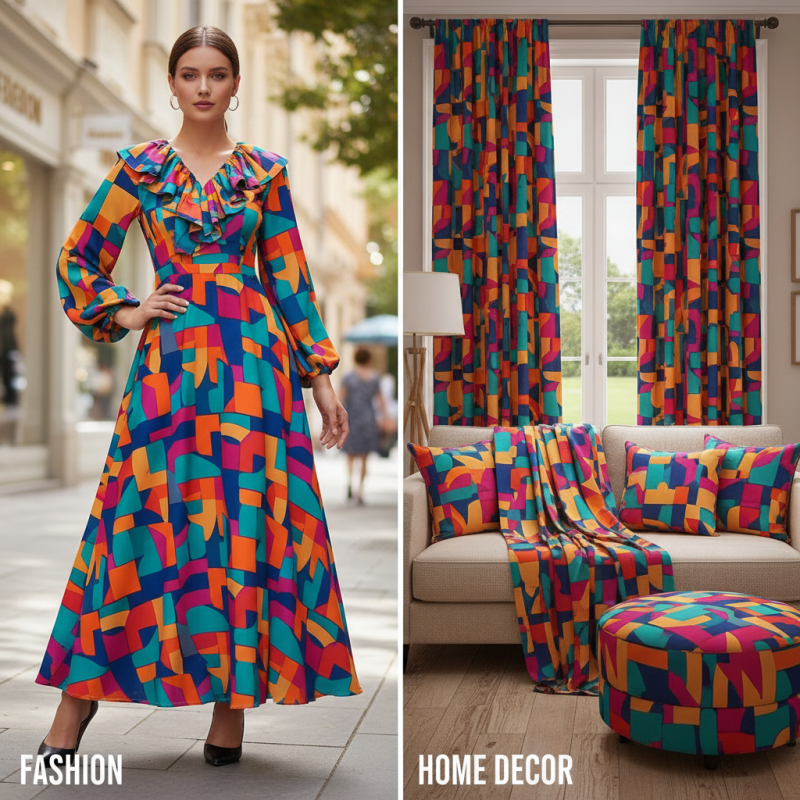
Print polyester fabric is transforming the fashion industry with its versatility and vibrant designs. According to a recent report by Allied Market Research, the global polyester fabric market is projected to reach $103 billion by 2025. This indicates an increasing reliance on synthetic fibers in apparel and textiles. One significant application is in activewear. Brands are incorporating print polyester for its moisture-wicking properties, ensuring comfort during workouts.
Another popular use is in casual wear. The ability to print intricate patterns allows designers to create unique looks. Also, printed polyester is often more cost-effective than natural fibers, making it accessible for many consumers. A study from Smithers Pira highlights that polyester's durability ensures that garments withstand wear and tear. However, the fabric's environmental footprint raises concerns. It is crucial to seek sustainable options when sourcing polyester.
Tips for choosing print polyester:
- Look for recycled polyester to minimize environmental impact.
- Check fabric weight; lighter options work better for summer wear.
- Don’t skimp on quality; low-grade polyester may fade quickly.
In home decor, print polyester offers an array of possibilities. From curtains to throw pillows, the vibrant designs can enhance any space. Despite its advantages, some consumers question the feel of polyester compared to natural fabrics. It’s essential to balance aesthetics with comfort.
Print polyester fabric is gaining popularity in home decor. It offers versatility and vibrant designs. People love using it for curtains, tablecloths, and cushions. The colors are vivid and resist fading. This fabric is also durable and easy to clean, making it practical for everyday use.
When choosing print polyester, consider the pattern. Large prints can make a statement, while small patterns can add subtle texture. Mixing different prints is possible, but balance is key. Use solid colors to ground the design.
Tips: Test fabric swatches in your space. Lighting alters how colors appear. Don’t rush the decision; reflect on how each print makes you feel in your home. A small change can lead to unexpected results.
Print polyester fabric has found its place in both fashion and home decor. This versatile material has gained popularity for its sustainability and durability. According to a report by the Textile Exchange, polyester made from recycled materials can reduce greenhouse gas emissions by up to 30%. Such figures highlight the importance of choosing sustainable fabrics.
In fashion, print polyester is often used in everything from dresses to activewear. The vibrant colors and patterns attract consumers, making it a go-to choice for designers. However, the problem lies in the fast fashion culture. Many consumers may not realize that these garments often end up in landfills. This prompts a conversation about the true sustainability of trends that prioritize aesthetics over longevity.
Home decor also embraces print polyester. Curtains, cushions, and upholstery can all benefit from its durability. Still, it has a significant environmental footprint due to synthetic production processes. Consumers should consider the environmental impact when purchasing.
Tips: Look for certifications like Global Recycled Standard when buying print polyester. Ensure the fabric is sourced responsibly. Imagine reusing or upcycling old polyester items into something new. This practice extends the life of the fabric, reducing waste and promoting sustainability. Remember, every small action contributes to a larger positive impact.
| Use Case | Description | Sustainability Aspect |
|---|---|---|
| Apparel | Used in clothing like dresses and activewear due to its durability and printability. | Recyclable materials reduce environmental impact. |
| Home Textiles | Used for pillow covers, curtains, and table linens. | Long lifespan decreases the need for frequent replacements. |
| Bags | Fashionable and functional bags made from printed polyester. | Lightweight and durable, reducing waste. |
| Upholstery | Used in sofas and chairs for colorful and durable furniture. | Long-lasting fabrics reduce the need for new furniture. |
| Activewear | Specialized clothing for sports and physical activities. | Sustainable options available to reduce environmental impact. |
| Accessories | Scarves, hats, and other fashion accessories. | Utilizes less resource-intensive processing compared to natural fibers. |
| Curtains | Printed polyester curtains for aesthetic value and UV protection. | Easily washable and maintainable, extending utility. |
| Tableware | Table runners and placemats crafted from durable printed polyester. | Durability leads to less frequent replacements. |
| Bedding | Bed sheets and duvet covers that are vibrant and easy to care for. | Eco-friendly production processes minimize negative impact. |
| Event Decor | Used in events for drapery, table settings, and backdrops. | Reusability for multiple events promotes sustainability. |
Print polyester fabric is a popular choice in fashion and home decor due to its durability. This material can withstand frequent washing and use without losing its vibrant colors. Stains are often easily removable. A quick wash in cold water usually does the trick. However, users should be mindful of their washing methods. Harsh detergents can fade the prints over time, requiring more delicate care.
Maintaining print polyester fabrics involves more than just washing. Ironing them at the correct temperature is crucial. High heat may shrink or damage the fibers. It's best to iron on a low setting or use a protective cloth. This fabric is also resistant to wrinkles, but it may still need occasional steaming. Taking the time to properly care for these items will prolong their lifespan.
Storage also matters when it comes to print polyester. Avoid exposing them to direct sunlight for long periods. Sunlight can cause colors to fade, detracting from the fabric's appeal. Instead, choose a cool, dark place for storage. Don't overload storage spaces; this can lead to creases. Proper maintenance is vital for preserving the beauty and integrity of print polyester fabrics.
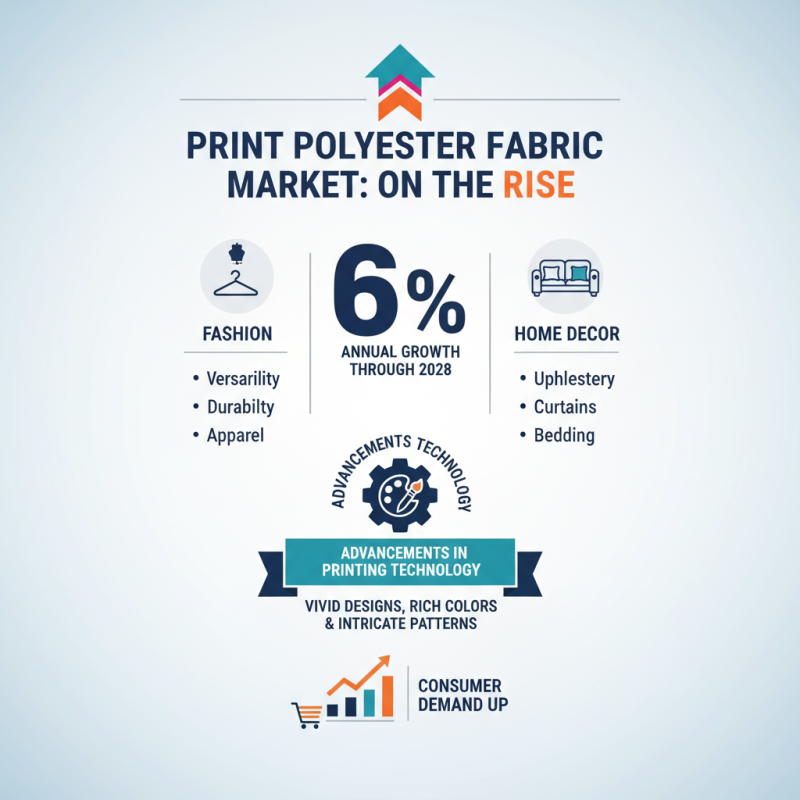
The market for print polyester fabric is on the rise in both fashion and home decor. According to a recent industry report, the demand for print polyester is expected to grow by 6% annually through 2028. This surge is driven by advancements in printing technology that allow for vivid designs. Consumers are increasingly drawn to the versatility and durability of print polyester. It offers a range of vibrant colors and intricate patterns.
In fashion, designers are utilizing print polyester for everything from dresses to activewear. The fabric's lightweight nature enhances comfort. Additionally, it is often more affordable than natural fibers. In home decor, print polyester is popular for curtains, upholstery, and cushions. These items add personality to living spaces. The fabric's resistance to fading makes it ideal for sunny environments.
Despite its rise in popularity, there are concerns. Some consumers question the environmental impact of polyester production. The process involves synthetic methods that may not be sustainable. Awareness of these issues is growing among consumers. It highlights a need for brands to investigate eco-friendly alternatives. The balance between style and sustainability is an important consideration.