How to Use Textile Wax for Optimal Fabric Protection and Maintenance?
In recent years, the textile industry has seen a growing emphasis on sustainable and effective fabric protection methods. According to a report by Market Research Future, the global textile care market is expected to reach $22 billion by 2025. This highlights the increasing demand for products that enhance the longevity and durability of fabrics. One such product gaining traction is Textile Wax, recognized for its protective properties.
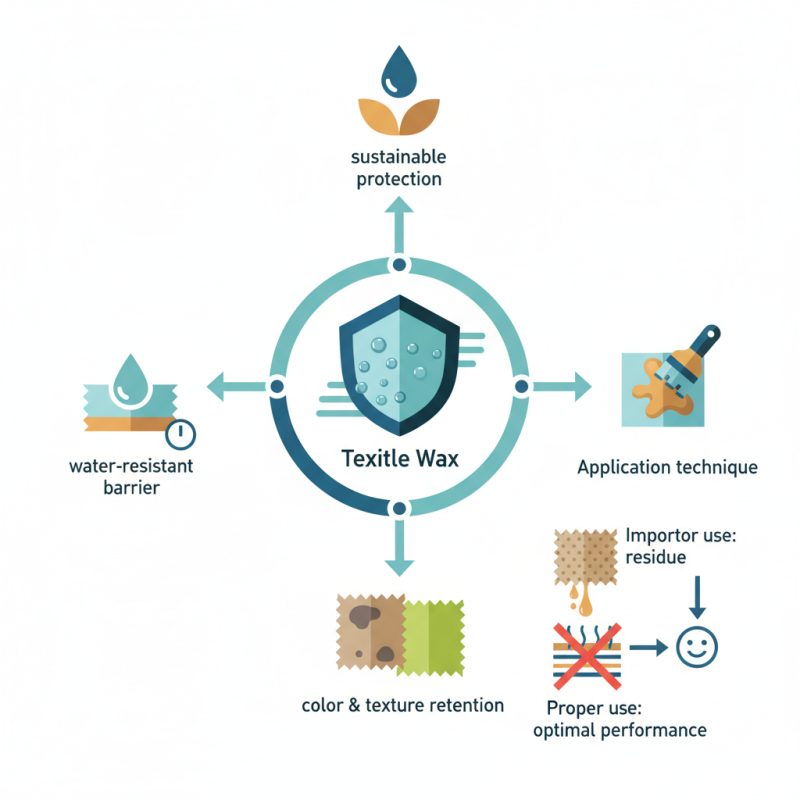
Textile Wax offers a unique solution for maintaining and enhancing the quality of various fabrics. It creates a water-resistant barrier, thus minimizing damage from moisture and stains. A study from the Journal of Textile Science shows that fabrics treated with wax can retain their original texture and color longer than untreated ones. Yet, many users struggle with applying it effectively, leading to inconsistent results. This emphasizes the importance of understanding the proper techniques for optimal performance.
While Textile Wax can significantly improve fabric maintenance, challenges remain. Proper application can be tricky, and misuse may result in a sticky residue or diminished breathability of the fabric. It is crucial for users to experiment and adjust applications according to specific fabric types. Recognizing these nuances can lead to better outcomes and increased satisfaction with this innovative product.
How Textile Wax Enhances Fabric Durability and Longevity
Textile wax serves as a formidable ally in enhancing fabric durability and longevity. When applied correctly, it creates a protective barrier that helps resist moisture and dirt. This is particularly beneficial for fabrics exposed to the elements, such as outdoor gear and upholstery. Over time, untreated fabrics can wear down, leading to discoloration and degradation. Waxing can slow this process significantly.
One important aspect of using textile wax is applying it evenly. Uneven application can lead to patches that attract dirt rather than repel it. Regular maintenance is key. Fabrics may need re-waxing after exposure to heavy rain or extensive use. It's essential to monitor the condition of the fabric and adjust care routines accordingly. Remember, using too much wax can lead to stiffness, making the fabric less comfortable.
While textile wax can enhance durability, it requires a bit of practice to master. The first few attempts might not yield the best results. Learning to achieve a smooth, even coating takes time and patience. Experimentation is necessary to determine the right amount of product for different fabrics. Balancing protection with comfort remains a challenge worth addressing.
Understanding Different Types of Textile Wax and Their Uses
Textile wax is essential for fabric protection. Different types exist, each tailored for specific applications. For example, paraffin wax is common for outdoor gear. It provides water resistance, keeping items dry in wet conditions. According to industry data, using paraffin wax can enhance water repellency by up to 30%.
Beeswax, another option, serves multiple purposes. It can waterproof fabrics and adds a natural scent. Research shows that fabrics treated with beeswax are not only more durable but also maintain breathability. However, the effectiveness varies based on the application technique. Applying too thick a layer may cause stiffness.
Candelilla wax is a plant-based alternative, often used in sustainable fabrics. Its properties include flexibility and lightweight protection. In a study by the Textile Research Journal, fabrics treated with candelilla wax showed a 20% increase in lifespan. Each type of wax presents unique benefits and challenges. Selecting the right one requires careful consideration of fabric type and intended use.
How to Use Textile Wax for Optimal Fabric Protection and Maintenance?
| Type of Textile Wax |
Description |
Best For |
Application Method |
| Paraffin Wax |
A versatile wax that provides a water-repellent finish. |
Cotton, canvas, and other porous fabrics. |
Iron-on or microwave method. |
| Beeswax |
Natural wax that offers good waterproofing and flexibility. |
Outdoor gear, backpacks, and shoes. |
Rub-on method or heating with a hairdryer. |
| Microcrystalline Wax |
A synthetic wax that provides excellent moisture barrier properties. |
Leather and synthetic fabrics. |
Hot application with an iron. |
| Carnauba Wax |
Hard wax known for its high gloss and protection against dirt. |
Clothing and decorative textiles. |
Rub-on application with a soft cloth. |
Step-by-Step Application Process for Optimal Waxing Techniques
Using textile wax can greatly enhance the longevity and durability of fabrics. The application process requires careful attention to detail. Start by cleaning the fabric thoroughly to remove any dirt or oils. This ensures the wax adheres properly. A professional report indicates that fabrics treated with wax can resist water and stains up to 30% more effectively than untreated ones.
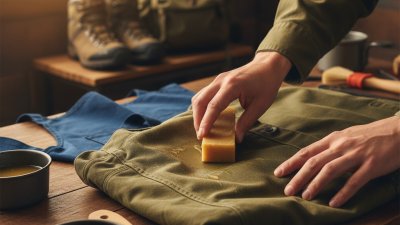
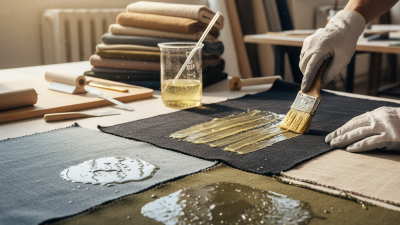
When applying wax, use a soft cloth or sponge to rub the wax evenly across the surface. Focus on areas that experience the most wear and tear. A common tip is to work in small sections. This prevents the wax from drying too quickly. After applying, let it sit for about 15 minutes, allowing maximum penetration.
Remember, not all fabrics respond the same way to waxing. Some may require multiple coats for optimal protection. Testing a small area first can save time and material. Understanding that imperfection is part of the process helps. If the texture feels uneven, lightly sand the surface and apply another layer. Regular maintenance is also key; waxing every six months can keep your fabric looking fresh and functional.
Maintenance Tips for Waxed Fabrics to Maximize Performance
Maintaining waxed fabrics demands attention to detail. Regular maintenance extends their lifespan significantly. Start by gently brushing off dirt and dust. A soft-bristled brush works well for this. Aim to do this every few weeks. It prevents grime buildup, which can damage the wax layer.
Washing waxed fabrics requires care. Always opt for a cold-water hand wash. Avoid using detergent that contains harsh chemicals. Instead, consider natural soaps that won't strip the wax. After washing, reshape the fabric while damp. This helps prevent creases and maintains the original look.
Re-waxing is essential. Over time, the wax layer wears off. Look for signs like a dull appearance or limited water resistance. When reapplying wax, make sure to work it in evenly. Pay close attention to seams and areas that receive more wear. Waxing can feel tedious, but it's crucial for performance. Regular checks can mean the difference between optimum and subpar protection.
Industry Insights: Benefits of Textile Wax in Fabric Care Comparisons
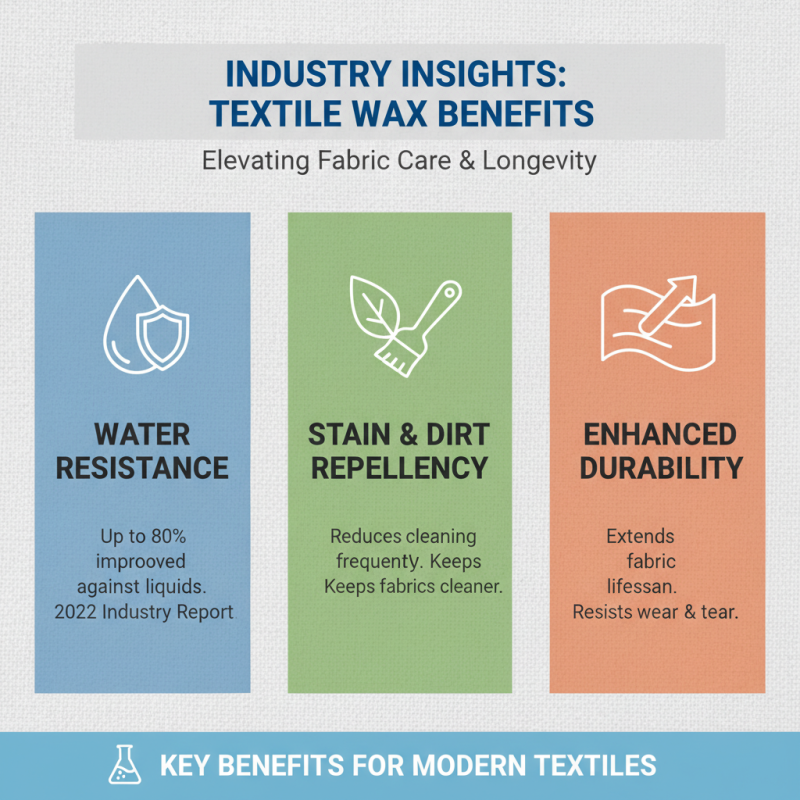
Textile wax serves as a valuable tool in fabric care, offering numerous advantages for maintaining the quality and longevity of various materials. According to a 2022 industry report, the application of textile wax can enhance water resistance by up to 80%, making fabrics more durable against external elements. Moreover, textiles treated with wax show a significant increase in resistance to dirt and stains, reducing the frequency of needed cleanings.
Applying textile wax correctly is crucial. Start by ensuring the fabric is clean and dry. Use a small amount of wax, focusing on areas that experience the most wear. A 2021 study indicated that fabrics treated this way can last 30% longer than untreated ones. However, users must be cautious; overapplication can lead to stiffness and an unappealing finish.
Tips for maintaining your fabric’s integrity include regular inspections for wear and reapplying wax every few months. Additionally, consider testing the wax on a small section first. This ensures compatibility with the fabric, preventing any adverse reactions. Following these strategies can help sustain the protective benefits of textile wax over time.