What is Wax Fabric and How is it Used in Fashion 2026?
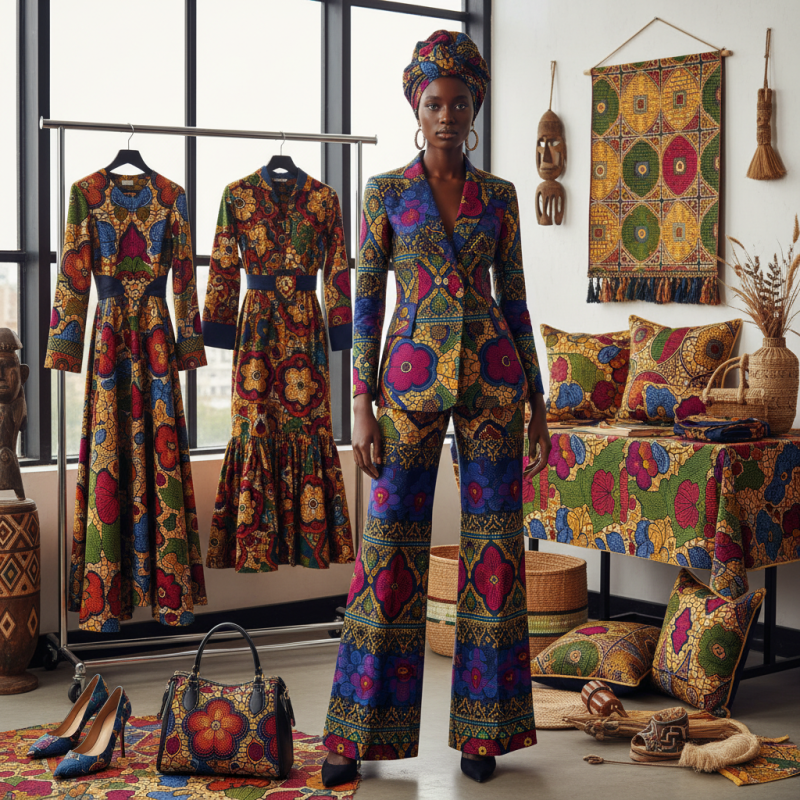
Wax Fabric has become a prominent material in the fashion industry. Its vibrant patterns and rich colors are deeply rooted in African culture. As a result, it has gained global recognition and popularity.
According to recent industry reports, the global fabric market is projected to reach $300 billion by 2026. Wax Fabric plays a significant role in this growth. However, the production process often raises questions about sustainability and ethical sourcing. Many brands are still struggling to find a balance between traditional craftsmanship and modern demands.
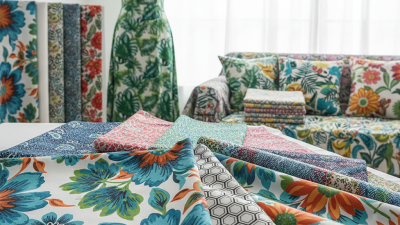
The use of Wax Fabric is diverse. It is often seen in clothing, accessories, and home decor. Despite its popularity, some consumers may not fully understand its cultural significance. Increasing awareness of this fabric can help promote more informed purchasing decisions. The future of Wax Fabric in fashion looks promising, but challenges remain.
Definition and Characteristics of Wax Fabric in Fashion Industry
Wax fabric, often recognized for its vibrant prints and durability, is gaining popularity in the fashion industry. This textile, traditionally made from cotton, is coated with wax to enhance its sheen and water resistance. Its unique characteristics include the ability to hold bright colors, making it favorable for bold fashion statements. Reports suggest that the global market for wax fabric is projected to grow by 9% annually, driven by fashion’s increasing focus on sustainable materials.
In 2026, wax fabric will likely see broader applications, especially in outerwear and accessories. Designers appreciate its versatility, as it can be tailored for various styles. Additionally, the fabric is loved for its cultural significance, especially in African fashion, where it speaks volumes in design.
**Tips:** When selecting wax fabric, pay attention to the print quality. Some patterns may fade over time. Testing for durability before use can save time and materials. Always consider washing instructions to maintain vivid colors.
Wax Fabric Usage in Fashion Across Different Regions (2026)
Historical Origins and Cultural Significance of Wax Fabric
Wax fabric has deep historical roots, primarily traced back to West Africa. Originally, it was made from cotton, coated in wax for vibrant colors and patterns. This process created a durable, water-resistant material. The fabric became a symbol of identity and pride. Cultural ceremonies often feature wax fabric, showcasing its importance in traditions.
When discussing its cultural significance, one cannot overlook the storytelling aspect. Each pattern tells a tale, reflecting societal norms, proverbs, or important events. These designs foster a sense of belonging and continuity. Wearing wax fabric connects people to their history.
Tips: Choosing the right wax fabric can be overwhelming. Understand the meanings behind the patterns. Personalize your style by mixing colors boldly. Always consider the cultural significance when wearing these fabrics. This mindfulness enhances their value.
Using wax fabric today involves creativity. Many fashion designers are infusing modern styles with traditional motifs. Yet, there can be discomfort in cultural appropriation. It's essential to honor its origins while innovating. Refraining from commodifying a culture is vital. Respect the story behind the fabric.
What is Wax Fabric and How is it Used in Fashion 2026? - Historical Origins and Cultural Significance of Wax Fabric
| Dimension |
Details |
| Material Composition |
Cotton, Wax Coating |
| Origin |
West Africa |
| Cultural Significance |
Symbol of Identity and Heritage |
| Typical Uses |
Traditional Clothing, Fashion Accessories |
| Fashion Trends 2026 |
Sustainable Fashion, Cultural Blends |
| Popular Patterns |
Geometric, Floral, Abstract Designs |
| Production Method |
Block Printing, Digital Printing |
Current Trends and Innovations in Wax Fabric Usage (2026)
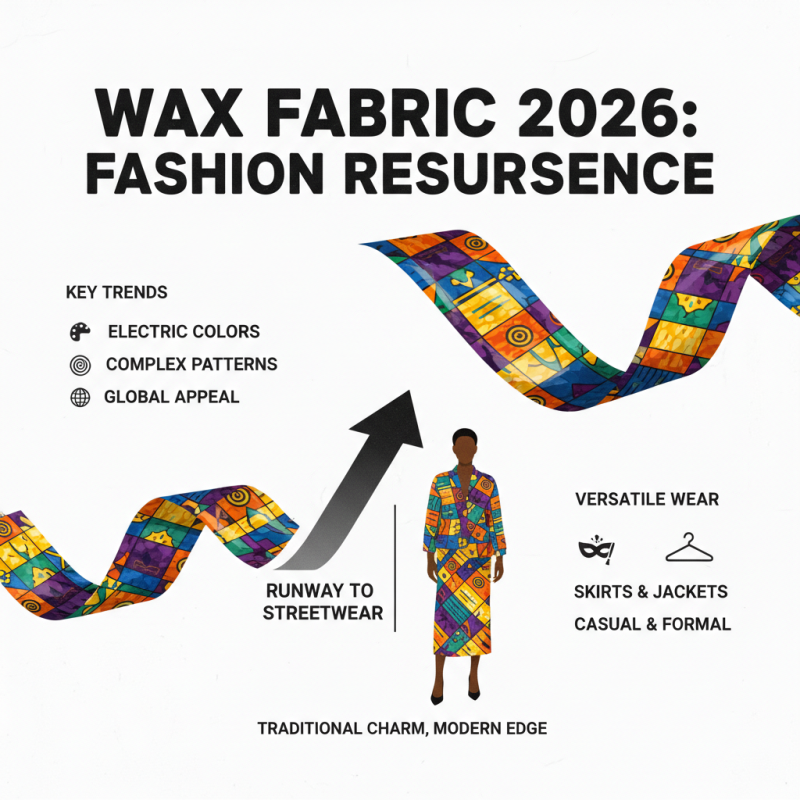
Wax fabric has seen a remarkable resurgence in fashion trends for 2026. Designers are experimenting with vibrant colors and intricate patterns, enhancing the textile's traditional charm. This fabric, originally used in African clothing, now captivates global audiences. Its glossy finish stands out on skirts and jackets, making statements in everyday and formal wear alike.
Innovations in wax fabric technology are also noteworthy. With advances in printing techniques, patterns are sharper and more detailed. Additionally, lightweight versions of the fabric are emerging, making it more versatile. However, sustainability remains a critical issue. The production process can be resource-intensive. Consumers are increasingly questioning the environmental impact of such fabrics. Fashion must balance beauty with ethical considerations.
As wax fabric continues to evolve, its role in the fashion industry will grow complex. There’s an exciting blend of tradition and modernity. Yet, it invites us to reflect not just on its aesthetics, but also on its origins and impact.
Market Analysis: Growth and Demand for Wax Fabric in Fashion
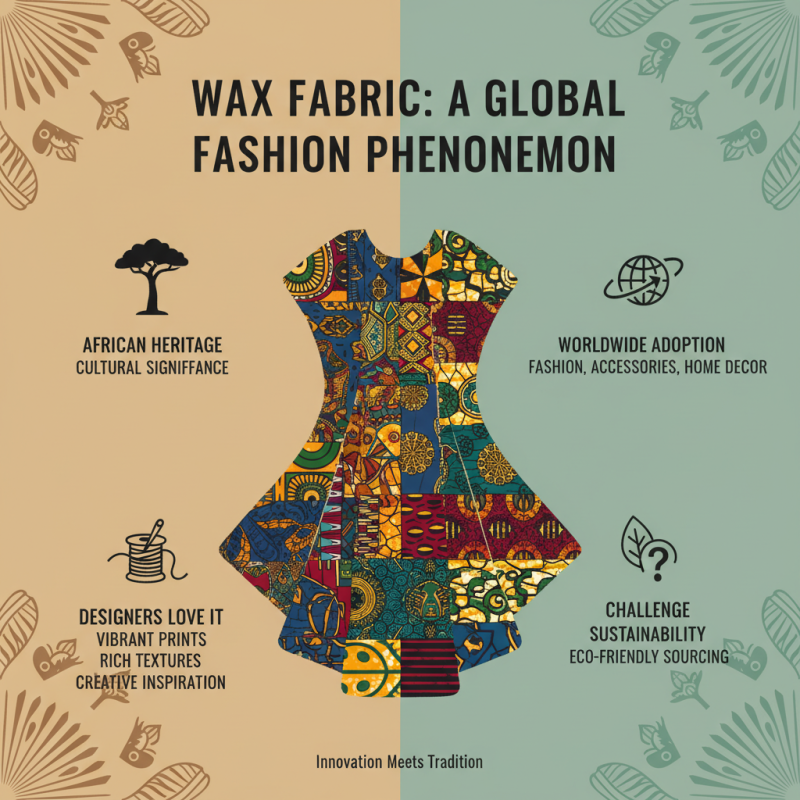
Wax fabric is gaining traction in the fashion industry. Its vibrant prints and rich textures are capturing designers' attention. With roots in African culture, this fabric is now embraced worldwide. It's often used in garments, accessories, and home decor. However, challenges in sourcing sustainable materials persist. Many designers struggle to find eco-friendly options.
Market demand for wax fabric is on the rise. Consumers are drawn to unique designs and cultural significance. The global appreciation for diversity in fashion is expanding. However, there's a gap in understanding its origins. Some consumers may overlook its cultural roots while focusing on aesthetics. This raises questions about cultural appropriation versus appreciation.
The growth of the wax fabric market presents opportunities. As demand increases, so does the need for ethical practices. Designers are exploring collaborations with artisans from the fabric's origin. This can help in promoting authenticity. Yet, balancing commercial interests with cultural respect is crucial. The fashion industry must reflect on these complexities as it evolves.
Sustainability and Ethical Considerations in Wax Fabric Production
The popularity of wax fabric is rising due to its vibrant colors and unique designs. However, the production of this fabric raises important sustainability questions. Most wax fabric is made from cotton. The dyeing process can involve harmful chemicals. This can affect both the environment and the workers.
Many farms use methods that are not always sustainable. Pesticides can harm local ecosystems. This has led to a push for better practices. Some producers are adopting eco-friendly materials. Organic cotton and natural dyes are becoming more common. Still, the transition is slow and requires collective effort.
Ethical labor practices in wax fabric production are equally crucial. Many workers face poor conditions and inadequate pay. There are few regulations to protect them. Transparent supply chains can help address this issue. Consumers can support fair trade initiatives, encouraging change. The fashion industry must take responsibility for its impact on people and the planet.