Top Wax Fabric Trends for 2026 What Buyers Need to Know
As we look ahead to 2026, trends in the Wax Fabric industry are evolving rapidly. Experts in the field, like Dr. Amina Bayo, highlight this shift. She states, "Innovation in Wax Fabric will redefine fashion and sustainability." This insight underscores the importance of adapting to new demands from both consumers and designers.
Wax Fabric, known for its vibrant prints and durability, faces a transformation driven by eco-consciousness. Designers are increasingly exploring organic materials for production. This shift aims to reduce environmental impact while maintaining the unique aesthetic Wax Fabric offers. Cutting-edge techniques are being developed to enhance the fabric's appeal and performance.
However, challenges persist. The market grapples with the balance between innovation and tradition. Manufacturers must consider cost and accessibility while keeping up with trends. As we approach 2026, understanding these dynamics will be crucial for buyers. Embracing the future of Wax Fabric means recognizing its potential and the hurdles that lie ahead.
Emerging Color Trends in Wax Fabric for 2026
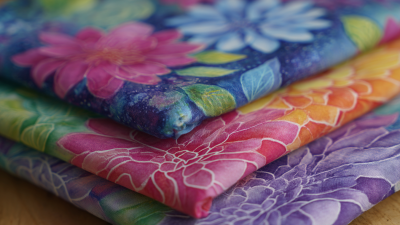
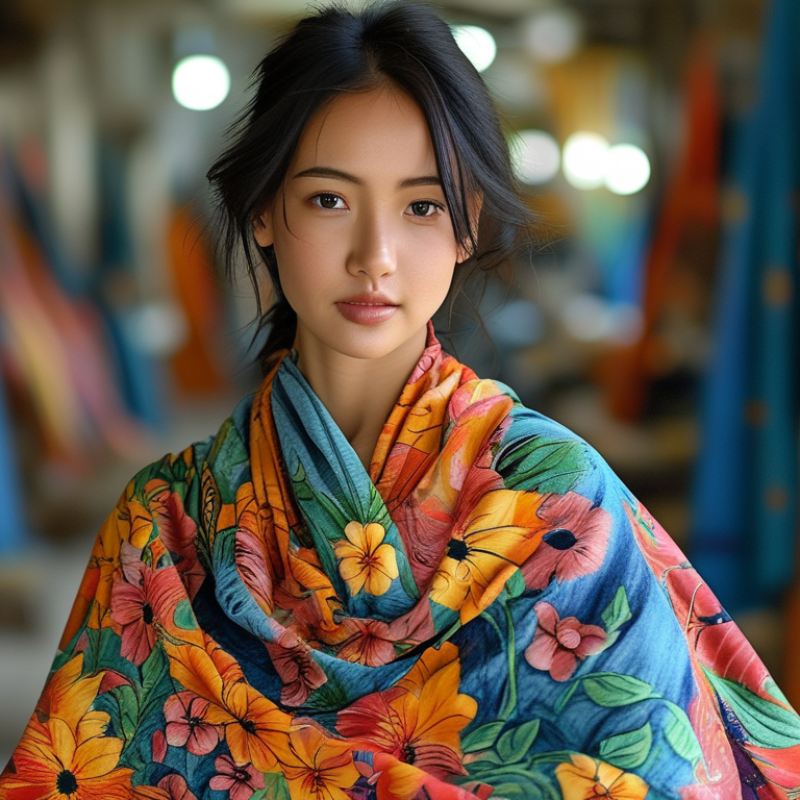
As we look toward 2026, the color trends in wax fabric are poised for a dynamic shift. According to the latest market report by Statista, the global wax fabric market is projected to grow by over 5% annually. This growth is fueled by an increasing demand for vibrant colors and intricate patterns. Buyers should be prepared for bold, saturated hues, particularly in shades like deep emerald and bright coral.
The 2026 color palette will embrace a blend of traditional and contemporary influences. Data from the Color Marketing Group indicates that jewel tones will dominate this year's collections. Colors like sapphire blue and ruby red will provide a rich foundation for fashion lines. Textures will also play a critical role. Limited availability of certain dyes raises concerns about sustainability. This forces us to reflect on sourcing practices within the industry.
Emerging trends highlight a shift towards earthy tones too. Colors like terracotta and sage green resonate with eco-conscious consumers. This reflects a broader societal shift towards sustainability. However, the challenge lies in balancing production methods with these new color demands. The industry must innovate to remain relevant while addressing environmental concerns. The upcoming years will be crucial in shaping not only color choices but also ethical production practices.
Innovative Patterns Shaping the Market Landscape
The wax fabric market is evolving rapidly. Innovative patterns are at the forefront of this transformation. Unique designs are capturing buyers' attention. Geometric shapes and bold color contrasts stand out. These elements reflect modern aesthetics while remaining versatile.
Nature-inspired prints are also gaining traction. Floral and abstract motifs resonate with consumers seeking originality. Designers are experimenting with texture, adding depth to flat fabrics. This approach creates visual interest and inspires creative use. However, some patterns may become oversaturated. Trends can shift quickly, leaving certain designs behind.
Sustainability is another critical aspect. Eco-friendly materials are merging with striking patterns. Consumers are more aware of their choices. They desire fabrics that align with their values. Buyers should be cautious of fleeting trends, focusing on timeless pieces that maintain their appeal. The balance between innovation and sustainability will shape the market moving forward.
Top Wax Fabric Trends for 2026
Sustainable Sourcing: Key Considerations for Buyers
Sustainable sourcing is becoming critical for buyers in the wax fabric market. Research shows that 80% of consumers prefer eco-friendly materials. This trend reflects a larger shift towards sustainability across various industries. However, sourcing responsibly can be complex. Buyers must navigate multiple factors such as the origins of materials, production methods, and environmental impact.
Key considerations include transparency in the supply chain. Many buyers overlook the importance of knowing where their fabrics come from. Reports indicate that 65% of consumers would switch brands for better sustainability practices. Understanding certifications, like OEKO-TEX, can help assure quality and ethical sourcing. Additionally, buyers should evaluate the lifecycle of the products. This includes assessing durability and end-of-life disposal options.
Challenges persist within the market. Sourcing sustainable wax fabrics may increase initial costs, yet investors see long-term benefits. Companies committed to sustainable sourcing can improve brand loyalty and meet evolving consumer demands. Nevertheless, achieving sustainable practices requires ongoing effort and reevaluation. Adapting to these changes is essential, even if it involves overcoming obstacles in the short term.
Consumer Preferences: What Influences Wax Fabric Choices?
Consumer preferences play a crucial role in shaping the wax fabric market.
As shoppers seek individuality, unique designs emerge as a top priority.
Patterns like bold florals or intricate geometric shapes dominate conversations among fashion enthusiasts.
Textures also matter. Smooth cotton blends and rustic finishes appeal to diverse tastes.
This variety ensures that each consumer finds something appealing.
Cultural influences significantly impact choices in wax fabric.
Traditional motifs resonate with buyers looking to connect to their heritage.
Alternatively, contemporary prints attract those eager to embrace modern aesthetics.
Sustainability concerns are on the rise. Many buyers actively seek eco-friendly options.
Natural dyes and organic materials are gaining traction as shoppers become more conscious of environmental impacts.
While trends shift, one challenge remains.
Many consumers struggle to find reliable sources for quality wax fabric.
This uncertainty can lead to a frustrating shopping experience.
Understanding personal preferences proves essential, yet factors like price and availability can complicate decisions.
Savvy buyers need to navigate these dilemmas carefully. In a fast-paced market, staying informed is key.
Projected Market Growth: Aligning Strategies with Industry Data
The wax fabric market is projected to grow significantly in the coming years.
According to recent industry reports, the market is expected to reach USD 2.5 billion by 2026,
driven by a rising demand for African prints and sustainable materials. The shift towards eco-friendly production methods
is also reshaping buyer preferences. Buyers should align their sourcing strategies with these trends to ensure
they remain competitive.
Many experts stress the importance of understanding consumer behavior. Research indicates that
75% of buyers prioritize sustainability when selecting fabric suppliers.
This trend underscores the need for transparency in sourcing.
Buyers should inquire about the production processes and materials used. This approach not only fosters trust but
also aligns businesses with sustainable practices.
Tips: Consider collaborating with manufacturers who prioritize ethical practices.
This can enhance your brand’s reputation. Additionally, staying informed about market dynamics
is crucial. Explore industry reports regularly and engage with trade shows. Knowledge is power, especially in a rapidly
evolving sector like wax fabric.