Top 2026 Polyester Upholstery Fabric Trends Buyers Need to Know?
The world of home decor is continually evolving. One material standing out in recent trends is Polyester Upholstery Fabric. This fabric combines durability with versatility. Buyers are increasingly drawn to its benefits. It withstands wear and tear while maintaining a fresh look.
In 2026, the trends surrounding Polyester Upholstery Fabric will focus on sustainability and innovation. Sustainable options are gaining traction. Fabric manufacturers are exploring eco-friendly production methods. Consumers are more aware of their choices. They seek materials that not only enhance aesthetics but are also kind to the planet.
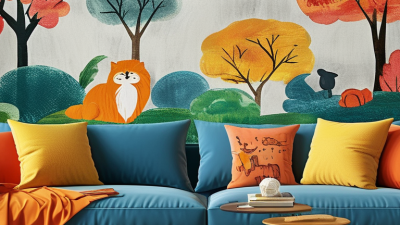
Design choices are expanding within this fabric category. From bold prints to subtle textures, the possibilities are endless. However, one challenge remains: balancing style with practicality. As Polyester Upholstery Fabric continues to evolve, reflection on personal needs in design becomes essential. It's a journey towards creating beautiful, functional spaces.
Emerging Color Palettes in Polyester Upholstery Fabrics for 2026
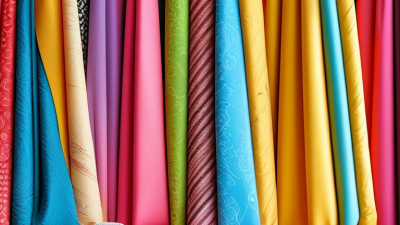
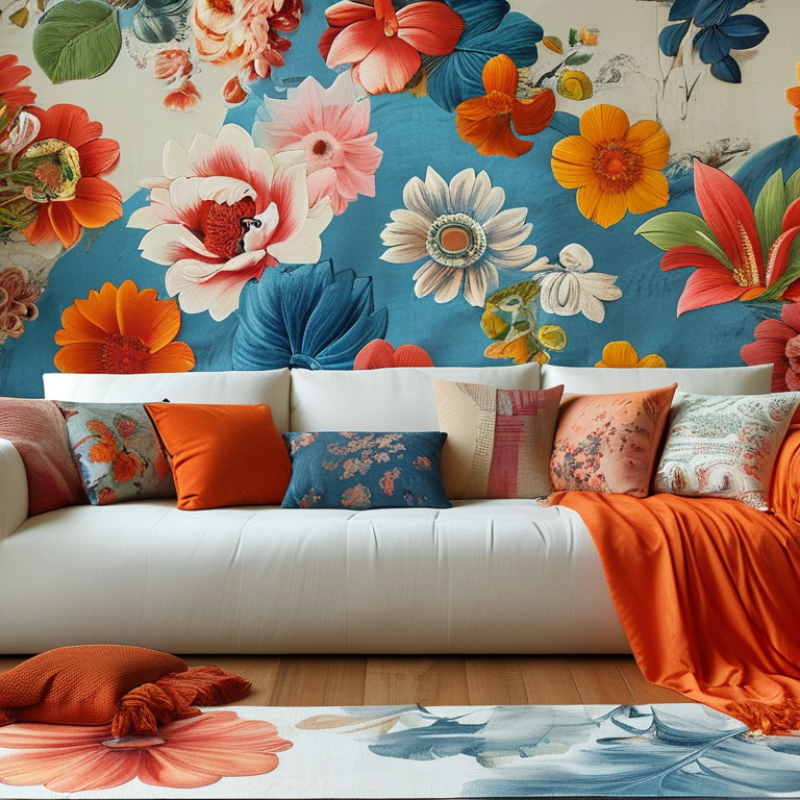
As we approach 2026, the world of polyester upholstery fabrics is becoming increasingly vibrant. Emerging color palettes are setting the tone for modern interior design. Warm earth tones are making a comeback, with shades like terracotta and rich ochre leading the way. These colors evoke comfort and nostalgia. They create a welcoming atmosphere, making spaces feel more intimate and inviting.
In contrast, cooler hues like muted greens and deep blues are also trending. These colors promote tranquility and relaxation. Deep navy combined with soft sage can transform a room into a serene retreat. Textured fabrics in these shades add depth and dimension.
However, the challenge lies in balancing these hues effectively. Too much of one color can overwhelm a space. Finding harmony between vibrant and muted tones is essential. Experimentation with patterns and textures can help in achieving this balance, but it may require careful thought and adjustment. Designers must remain open to refining their choices, ensuring that each element contributes positively to the overall aesthetic.
Top 2026 Polyester Upholstery Fabric Trends Buyers Need to Know? - Emerging Color Palettes in Polyester Upholstery Fabrics for 2026
| Color Palette |
Fabric Texture |
Trend Category |
Predicted Popularity Level |
| Warm Earth Tones |
Soft Chenille |
Sustainable Living |
High |
| Bright Jewel Tones |
Satin Finish |
Luxury Design |
Medium |
| Pastel Mix |
Linen Blend |
Minimalist Aesthetic |
High |
| Cool Blues and Greens |
Textured Weave |
Tropical Vibes |
Medium |
| Neutral Grays and Whites |
Microfiber |
Urban Chic |
High |
Innovative Textures and Patterns Shaping Polyester Fabric Trends
As we delve into the trends shaping polyester upholstery fabric in 2026, innovative textures and patterns emerge as key elements. Designers are experimenting with tactile experiences, moving beyond traditional flat surfaces. These dynamic textures invite touch, creating a multisensory experience. For instance, fabrics with 3D weaves or raised patterns offer depth, making upholstery more visually appealing.
Patterns are also evolving dramatically. Geometric designs and abstract motifs dominate the scene, attracting buyers looking for uniqueness. Bright, bold colors mingle with muted tones, creating a rich palette. While some patterns are striking, others challenge conventional aesthetics, prompting discussions among designers and consumers. This balance of innovation and tradition leads to intriguing design choices, presenting both exciting opportunities and potential pitfalls.
Sustainability adds another layer to these trends. Eco-friendly processes are being integrated into fabric production, but challenges remain. The quest for sustainable materials sometimes clashes with aesthetic desires. Buyers face the dilemma of choosing between environmental impact and appealing designs. Ultimately, navigating these choices requires thoughtful consideration. The textile industry is filled with potential, yet the balance between style and sustainability will define its future.
Sustainability Considerations in Polyester Upholstery Choices
As consumers increasingly prioritize sustainability, polyester upholstery fabric must adapt. Data from the Textile Exchange reveals that over 63% of textile buyers seek eco-friendly options in their sourcing decisions. This shift highlights the growing demand for materials that minimize environmental impact while retaining performance.
Recycled polyester, often made from post-consumer plastic bottles, serves as a prime example. By repurposing waste, brands can reduce their carbon footprint. However, production processes for recycled polyester aren't without their challenges. The energy used in recycling can be substantial, leading to mixed environmental benefits. Buyers need to critically assess not just the end product but the entire manufacturing process.
Additionally, the lifecycle of polyester upholstery involves ongoing sustainability challenges. Although it offers durability, the fabric's long-term impact on landfills raises concerns. Only 14% of polyester is recycled globally, indicating a need for better infrastructure. This gap prompts stakeholders to rethink the pathways from production to disposal. An informed buyer will consider these facets, balancing aesthetic choices with environmental responsibility.
High-Performance Polyester: Durability Meets Aesthetic Appeal
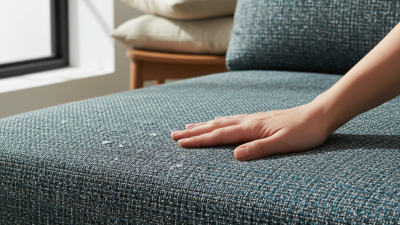
High-performance polyester fabric is setting new standards in upholstery. It brings together durability and style in a way that meets various consumer needs. This fabric is not only resistant to wear and tear but also maintains a fresh look over time. Its ability to withstand stains and spills is a significant advantage for both homes and commercial settings. Users often report satisfaction with how easy it is to clean and maintain, which is crucial for busy lifestyles.
Aesthetically, polyester offers versatile design options. Designers are increasingly experimenting with textures, colors, and patterns. This variety allows consumers to express their individual tastes. However, some may find the sheer abundance of choices overwhelming. The risk of choosing a fabric that might not fit a specific style is real. Thoughtful selection is needed to ensure harmony in interior spaces.
While polyester brings many benefits, there are concerns as well. Some may question its environmental impact, despite advancements in sustainable practices. It’s crucial to balance aesthetics with ethical considerations. Consumers should also consider longevity versus trends. What looks good today may not stand the test of time. Making informed decisions based on these factors can lead to more satisfying results.
Top 2026 Polyester Upholstery Fabric Trends
Key Market Influencers and Consumer Preferences in 2026 Polyester Fabrics
The 2026 polyester upholstery fabric market is shaped by several key influencers. Sustainability continues to be a dominant consideration. According to a recent industry report, 70% of consumers prioritize eco-friendly materials. Brands that emphasize recycled or renewable fibers resonate well with environmentally conscious buyers.
Texture also plays a critical role. Studies show consumers gravitate toward soft, tactile fabrics. Velvet and chenille polyester blends are gaining popularity this year. These options not only enhance comfort but also elevate the aesthetic appeal of interiors.
Tip: Always request fabric samples to assess texture and durability personally.
Furthermore, color trends are evolving. Earthy tones and bold jewel colors are expected to dominate in 2026. Such colors reflect a desire for connection to nature and personal expression. This shift in consumer preference denotes a move away from neutral shades towards more vibrant palettes.
Tip: Stay updated with color trend forecasts to align your choices.
Understanding these factors will empower buyers to make informed decisions. Engaging with market insights ensures selections remain relevant in a dynamic environment.