inquiry
Leave Your Message

China Top Patterned Polyester Fabric Manufacturer

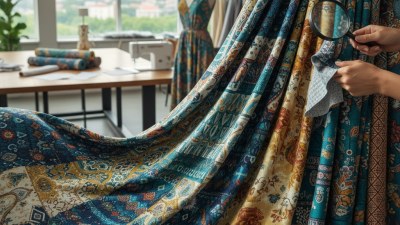
China has become a major sourcing destination for Patterned Polyester Fabric, combining broad production capacity with flexible customization. From jacquard leaves to geometric prints, manufacturers can create fabrics for apparel, upholstery, curtains, sportswear, and decorative products.

Dr. Subhash K. Batra, a respected textile technology educator, states, “Textile quality begins with fiber selection and ends with responsible testing.” This principle matters when evaluating a Chinese supplier. A vivid pattern is only one part of the decision. Buyers should also examine yarn quality, fabric weight, colorfastness, shrinkage, abrasion resistance, and finishing consistency.

Details reveal reliability.

A professional manufacturer should provide clear technical data and practical samples. For example, a buyer may compare two rolls under daylight, check print alignment, and wash a small swatch before approving bulk production. These simple steps can expose uneven dyeing, weak edges, or unexpected color changes.

Customization is another important advantage. Manufacturers may adjust pattern scale, background color, weave structure, width, and surface softness. Digital printing supports detailed artwork, while woven methods can create deeper texture and stronger visual depth. However, not every supplier handles complex designs equally well.

That is where careful evaluation becomes necessary. Factory experience, inspection procedures, material traceability, and communication all influence the final result. Price alone can mislead. A lower quotation may hide inconsistent quality or limited after-sales support.

This guide examines how to identify a dependable China Patterned Polyester Fabric manufacturer. It also considers product performance, customization ability, production standards, and responsible sourcing practices. Some assumptions may require reconsideration. A beautiful sample does not guarantee a reliable bulk order.

China Top Patterned Polyester Fabric Manufacturer

What Is Patterned Polyester Fabric?

China Top Patterned Polyester Fabric Manufacturer

What Is Patterned Polyester Fabric?

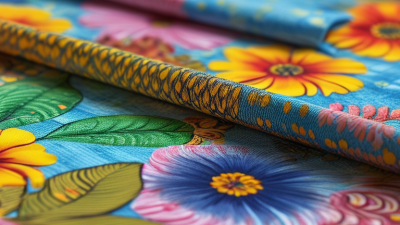
Patterned polyester fabric is a synthetic textile with decorative designs formed through printing, weaving, knitting, or heat transfer. Its base yarn usually contains polyester filaments or staple fibers. The pattern may show flowers, geometric lines, animal textures, or custom repeats.

Polyester absorbs little moisture and dries quickly. These traits support sportswear, curtains, linings, bags, and fashion garments. According to Textile Exchange’s Materials Market Report 2024, polyester represented about 57% of global fiber production in 2023. Global fiber output reached approximately 124 million tonnes. This scale explains polyester’s wide industrial use, but volume does not guarantee quality.

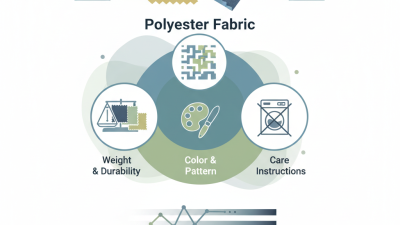
Fabric selection requires more than checking a colorful surface. I inspect the pattern repeat, fabric weight, width, shade consistency, and edge stability. A 150–220 GSM fabric may suit apparel, while heavier constructions can support upholstery or bags. Sublimation printing works especially well on light-colored polyester. It can create sharp images without a thick surface layer. However, dark bases may require different printing methods.

Colorfastness needs testing. Wet rubbing can expose weak dye fixation. Heat can also distort certain finishes. I have seen attractive samples lose clarity after washing. That mistake is easy to underestimate. Professional testing should consider washing, rubbing, light exposure, shrinkage, and pilling. Results may vary between laboratory conditions and daily use, so specifications should remain realistic and clearly recorded.
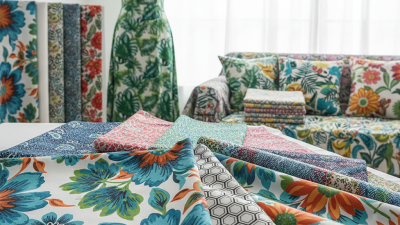
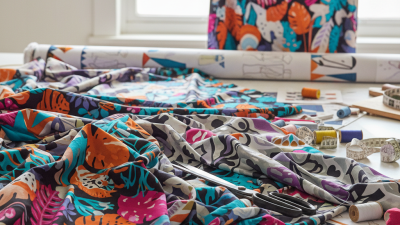
Key Types of Patterned Polyester Fabric Made in China

China Top Patterned Polyester Fabric Manufacturer

Key Types of Patterned Polyester Fabric Made in China

China’s patterned polyester sector serves fashion, interiors, sportswear, and promotional textiles. The Textile Exchange Materials Market Report 2024 recorded global fiber production at 124 million tonnes in 2023. Polyester represented about 57% of that volume. This scale supports broad Chinese manufacturing capacity, from filament weaving to circular knitting.

Common types include digital-printed polyester, rotary-screen printed fabric, jacquard polyester, embossed fabric, and flocked designs. Printed polyester offers sharp floral, geometric, and photographic effects. Jacquard creates patterns through woven structure, not surface ink. Brushed polyester adds a soft, warm hand feel for blankets and casual garments. Warp-knitted mesh suits breathable sports applications. Microfiber polyester provides a smooth surface and detailed color reproduction. Many mills offer 50D, 75D, 150D, and 300D options, with different GSM levels. The choice affects drape, opacity, abrasion resistance, and cost. Recycled polyester is also expanding. Textile Exchange reported recycled polyester at roughly 12% of polyester fiber production in 2023.

Tips: Ask for a lab dip, fabric swatch, GSM report, and colorfastness test before ordering. Specify pattern repeat size and usable width. A 150 cm roll may lose several centimeters after finishing. Pattern scale is easy to misjudge. In my experience, a beautiful sample can fail during bulk production when tension changes. Low price is not always practical. Check shrinkage, pilling, print alignment, and wash performance with an independent test when the application is demanding.

How Patterned Polyester Fabric Is Manufactured

China Top Patterned Polyester Fabric Manufacturer

How Patterned Polyester Fabric Is Manufactured

Patterned polyester fabric begins with carefully prepared polymer chips. Manufacturers melt them and extrude the material through tiny spinneret holes. Cooling air turns the streams into continuous filaments. These filaments are stretched to improve strength and stability. Some mills add color during spinning. Others dye the fabric after knitting or weaving. The choice affects brightness, cost, and color consistency. Experienced technicians check filament tension throughout production. Small tension changes can create visible streaks. That detail is easy to underestimate.

The filaments become yarn, then fabric on circular knitting machines or looms. Knitted structures provide stretch and a soft hand. Woven structures offer sharper outlines and stronger dimensional control. Pattern creation may use digital printing, rotary printing, jacquard weaving, or yarn arrangement. Before printing, the fabric is scoured to remove oils and dust. Heat setting stabilizes width and reduces shrinkage. Printing temperature and pressure must match the polyester surface. Too much heat can flatten texture. Too little heat may weaken color fixation.

Quality teams test each production batch under controlled conditions. They measure weight, width, tensile strength, color fastness, and shrinkage. Samples are also rubbed and washed repeatedly. Inspection is not perfect. Lighting can change how a pattern appears. Human judgment still matters beside instruments. Responsible manufacturers record machine settings and retain reference samples. They investigate flaws instead of hiding them. A careful adjustment may improve the next roll, but no process stays identical forever.

Quality Standards for Chinese Polyester Fabric Manufacturers

A reliable Chinese patterned polyester fabric manufacturer should control quality before printing begins. Textile Exchange’s Materials Market Report 2024 estimates that polyester represented 57% of global fiber production in 2023. This scale increases the need for traceable testing, not simply attractive patterns. Manufacturers should verify yarn composition, fabric weight, usable width, shrinkage, and tensile strength against approved specifications. Small differences matter. A 3% weight variation can affect cutting efficiency and garment drape.

Color performance requires documented procedures. ISO 105-C06 tests washing colorfastness, while ISO 105-X12 evaluates rubbing resistance. For printed polyester, buyers should request results for both dry and wet rubbing. ISO 12945-2 can support pilling evaluation after controlled abrasion. Production teams should also inspect screen alignment, repeat length, pinholes, and shade variation under standardized lighting. AQL sampling may reveal defects, but it cannot replace process control. That limitation is often overlooked.

Environmental and chemical controls also support dependable sourcing. The OECD Due Diligence Guidance for Responsible Supply Chains in the Garment and Footwear Sector recommends documented risk assessment and supplier traceability. Manufacturers should maintain batch records, chemical declarations, inspection photos, and corrective-action reports. ISO 9001-based procedures can improve consistency, though certification alone proves little without recent test evidence. In practice, even experienced factories may miss a slight shade shift between rolls. Buyers should therefore approve a sealed reference sample and compare bulk production against it. Perfection is unlikely. Honest reporting is essential.

How to Choose a Reliable Chinese Patterned Fabric Manufacturer

Choosing a reliable Chinese patterned polyester fabric manufacturer requires more than comparing quotations. Textile Exchange’s 2024 Materials Market Report estimates that global fiber production reached 124 million tonnes in 2023, with polyester representing about 57%. That scale makes supplier verification essential. Ask for recent production samples, not only digital images. Check pattern sharpness, fabric weight, width, shrinkage, and colorfastness under washing and rubbing. A dependable factory should explain its printing method, inspection points, and acceptable defect rate in writing.

Request a small trial order before confirming large volumes. Compare the approved sample with the delivered roll under daylight. Small differences matter. Review laboratory test reports, raw-material records, and batch traceability documents. Independent factory audits can also verify equipment, worker safety, quality procedures, and export experience. ISO-based quality systems are useful, but certificates alone do not guarantee consistent fabric. That is an easy mistake.

For polyester, ask whether the supplier can provide recycled-content documentation when sustainability claims are required. The Textile Exchange report also shows recycled polyester accounted for roughly 12% of global polyester production in 2023, so evidence should match the stated percentage. Discuss lead times in writing, including sample approval, printing, inspection, and shipment buffers. Some manufacturers promise fast delivery but overlook pattern revisions. I would test communication during this stage. Slow replies, unclear specifications, or changing prices may become larger problems after production begins. No audit is perfect. A practical decision combines factory evidence, physical testing, transparent communication, and a cautious first order.

How to Choose a Reliable Chinese Patterned Fabric Manufacturer

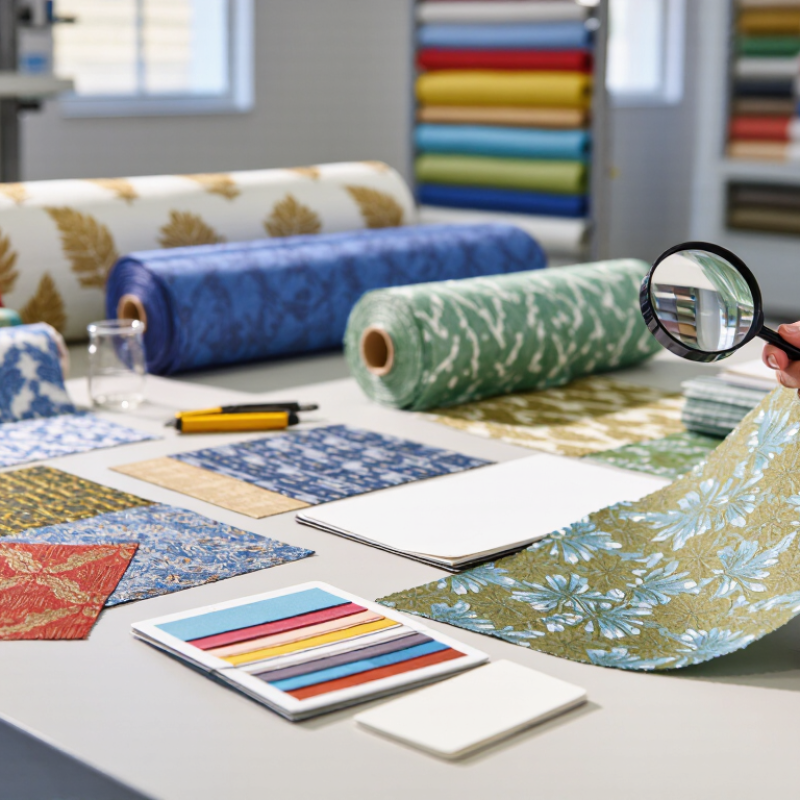
This reference model shows practical buyer priorities when evaluating patterned polyester fabric manufacturers. Quality consistency, production capability, customization, compliance, and communication should be assessed together rather than based on price alone.