Top 10 Benefits of Using Patterned Polyester Fabric for Your Projects?
In recent years, Patterned Polyester Fabric has gained significant traction in the textile industry. A report by the Textile Exchange reveals that polyester fabric accounts for over 52% of global fiber production. This widespread use stems from its unique characteristics, including versatility and durability. Designers and manufacturers increasingly choose patterned polyester for its ability to enhance aesthetics while ensuring practicality.
Many projects benefit from the vibrant designs available in patterned polyester, making it a popular choice for fashion and home decor. The fabric's resistance to wrinkles and fading contributes to longevity, which is crucial for both consumer satisfaction and environmental sustainability. However, it's essential to acknowledge that not all patterned polyester is created equal. Some may compromise on quality, leading to a shorter lifespan.
Moreover, while patterned polyester is often praised for its affordability, it is crucial to consider the impact of mass production. Sustainability efforts are necessary to ensure that these fabrics contribute positively to our planet. Designers and consumers alike must reflect on their choices and seek high-quality materials. By doing so, they can fully leverage the benefits of Patterned Polyester Fabric in their projects.
Advantages of Patterned Polyester Fabric in Versatile Projects
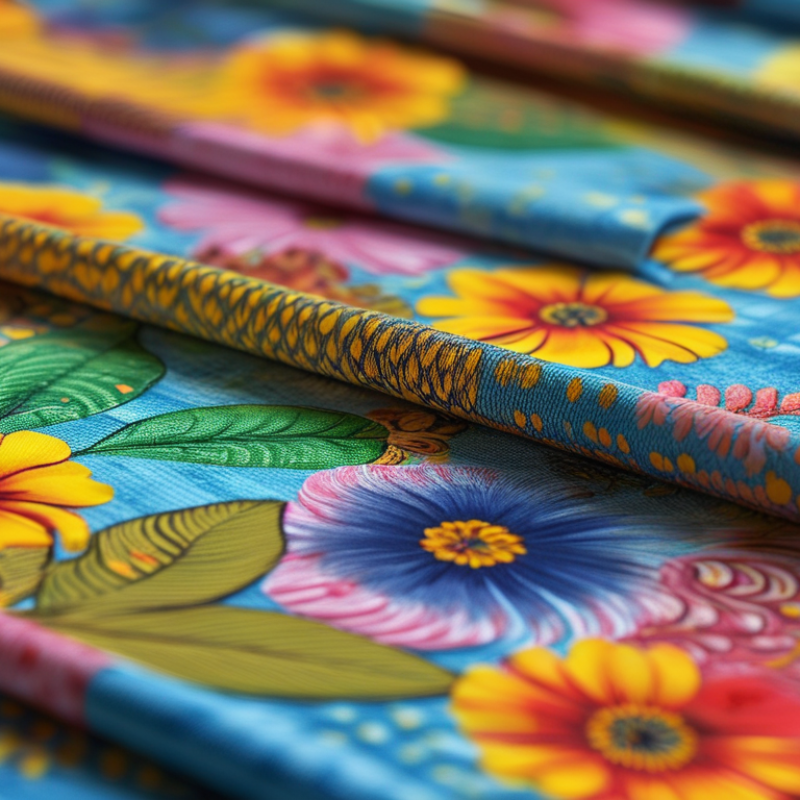
Patterned polyester fabric is becoming a go-to choice for various projects. Its versatility makes it perfect for crafting, fashion, and upholstery. The bright colors and unique designs can elevate any item, adding personality to your work. This fabric is also durable, withstands wear and tear, and resists fading over time. You can explore a wide range of patterns to find the perfect match for your style needs.
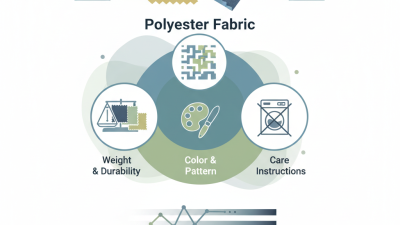
When using patterned polyester, consider the weight of the fabric. Heavier options work well for upholstery, while lighter patterns are better for apparel. Remember that the texture affects how colors appear. Always test a small piece before committing to a large project. Think about how the fabric drapes. If you're sewing garments, drape it around your body to see how it fits.
Maintenance is another key aspect. Patterned polyester is machine washable, but avoid high heat when drying. This fabric can snag easily, so handle it with care. Pay attention to the seams during sewing. Loose stitching may ruin the final look. Be prepared to adjust your methods to achieve the best results. Choosing the right tools can elevate your project and ensure a polished finish.
Durability and Longevity: Why Polyester Stands Out in Fabric Choices
When it comes to fabric choices, polyester shines for its durability and longevity. This synthetic material can withstand daily wear and tear. It resists stains and fading, making it a practical option for various projects. Polyester also maintains its shape after washing. This feature allows for a polished appearance over time. For instance, a well-made polyester couch cover stays crisp even after multiple washes.
Polyester's resilience to environmental factors is notable. It holds up against moisture and UV rays, which are common wear factors for outdoor fabrics. Using patterned polyester for outdoor furniture ensures it remains vibrant in weathered conditions. However, not all polyester is created equal. Some may not have the same durability as higher-quality polyester blends. Understanding the fabric's composition can lead to better choices.
Often overlooked, the feel of polyester can also be an area for improvement. While it is strong, the texture may lack the softness of natural fibers. Some users may find it less breathable in hot weather. This trade-off is important for specific applications, like summer clothing. It’s essential to weigh these factors based on the intended use of the fabric.
Design Flexibility: Creative Possibilities with Patterned Fabrics
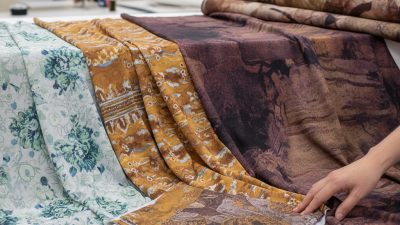
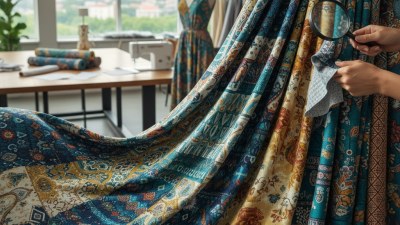
Patterned polyester fabric opens a world of design flexibility. Designers appreciate the vast array of colors and patterns available. According to a recent market analysis, the global demand for decorative textiles has surged by 20% in the past few years. This trend reflects a growing desire for personalization in home and fashion projects. Unique patterns can elevate an ordinary design into a statement piece, making projects visually appealing.
Using patterned fabrics allows for creativity that can reflect personal style or thematic storytelling. A study published by the Textile Institute highlights that color and pattern significantly influence consumer emotions and purchasing decisions. This emotional connection can enhance project appeal, drawing consumers closer to unique designs. However, striking the right balance between pattern and functionality is crucial. Too busy a design can make a product seem overwhelming, requiring careful deliberation in selection.
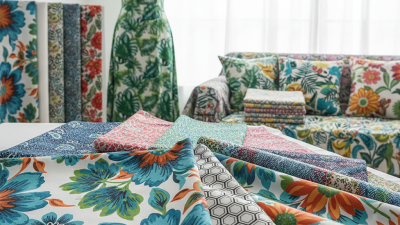
Navigating the design choices can be challenging, as not all patterns suit every project. Factors like the scale of the pattern and the intended use must harmonize. For instance, a large floral print might dominate a small space, while a subtle geometric design provides sophistication without overpowering. Designers should continuously evaluate their choices, ensuring that creativity does not compromise usability. As the market shifts towards innovative fabric solutions, embracing patterned polyester becomes an adventure filled with both opportunities and reflective challenges.
Top 10 Benefits of Using Patterned Polyester Fabric for Your Projects
| Benefit |
Description |
| Design Flexibility |
Allows for diverse patterns and colors, enhancing creativity in project designs. |
| Durability |
Resistant to fading and wear, ensuring long-lasting use of fabric items. |
| Easy Maintenance |
Machine washable and quick to dry, simplifying care routines for users. |
| Cost-Effectiveness |
Generally more affordable than natural fibers, making it budget-friendly for projects. |
| Versatility |
Suitable for a variety of applications, including clothing, upholstery, and crafts. |
| Color Retention |
Holds vibrant colors well, enhancing the visual appeal of finished projects. |
| Stain Resistance |
Often treated for stain resistance, reducing the likelihood of damage. |
| Lightweight |
Easy to handle and transport, making it ideal for various sewing projects. |
| Breathability |
Offers good airflow, enhancing comfort for wearables. |
| Eco-Friendly Options |
Some patterned polyester fabrics are made from recycled materials, promoting sustainability. |
Cost-Effectiveness: Budget-Friendly Benefits of Polyester Textiles
Polyester fabric has gained popularity for a variety of projects, particularly due to its cost-effectiveness. According to the Textile World, polyester accounts for over 50% of the global fiber market. This makes it a budget-friendly option for many consumers. Its durability reduces the need for frequent replacements, ultimately saving money.
The versatility of polyester is another financial advantage. Whether you're creating clothing, home decor, or outdoor gear, this fabric offers a range of applications. It is resistant to wrinkles, shrinking, and fading, which helps maintain its new look longer. Research indicates that products made from polyester can be up to 20% less expensive than those made from natural fibers. This cost differential is appealing to budget-conscious makers.
However, there are some considerations to keep in mind. While polyester is more affordable, its environmental impact cannot be ignored. The production process can be energy-intensive, generating significant waste. As consumers become more eco-conscious, the need to balance cost with sustainability is essential. This reflection encourages makers to explore alternatives or sources that minimize environmental footprints, even if it may come with a higher price tag.
Easy Care: Maintenance and Cleaning Benefits of Polyester Fabrics
Patterned polyester fabric has gained popularity for its easy care and maintenance benefits. This fabric resists wrinkles and shrinking, ensuring that your projects maintain their shape and appearance. A quick wash is often all that's needed to refresh this fabric. It dries quickly, making it perfect for busy lives. You can spend more time enjoying your creations and less time worrying about upkeep.
When caring for polyester fabrics, a gentle detergent works best. Hot water can cause the fabric to lose color or shape, so opt for cold water washing. If you need to iron it, use a low heat setting to avoid damage. Polyester is known for its resilience, but over time, rough treatment may still lead to wear. Regular assessments of your items can help you catch any signs of fading or fraying early.
Don't forget to store your fabric properly. Keep it in a cool, dry place away from direct sunlight. Sunlight can fade colors and weaken fibers over time. Sometimes the fabric may develop static, especially in dry weather. A simple solution is to keep a damp cloth nearby or use a fabric softener during washing. Maintaining the beauty of patterned polyester fabric requires attention, but the results are well worth the effort.