Why Choose Wax Fabric for Your Next Fashion Project?
When considering materials for your next fashion project, Wax Fabric stands out as a unique choice. This vibrant and durable textile is well-known for its eye-catching patterns and rich colors. Designers and DIY enthusiasts alike are drawn to Wax Fabric due to its cultural significance and versatility. However, working with such a strong material can be both rewarding and challenging.
Choosing Wax Fabric means embracing a medium that tells a story. Each design offers a glimpse into cultures, traditions, and artistry from around the world. But, the fabric also demands respect and understanding. Its stiffness might make cutting and sewing complicated at times. It's essential to learn and adapt. Mistakes may happen during your creative process, but these moments foster growth and innovation.
Wax Fabric could elevate your wardrobe while honoring cultural heritage. Its boldness invites creativity but also requires thoughtful consideration. It's a material that inspires, excites, and sometimes frustrates. Embracing both its beauty and imperfections opens the door to endless fashion possibilities.
Benefits of Using Wax Fabric in Fashion Design
Wax fabric is rapidly gaining popularity in the fashion industry. One of the main benefits is its vibrant colors and striking patterns. According to a report by Statista, the global demand for colorful textiles is expected to grow by 4.5% annually until 2025. Designers are drawn to wax fabric because it enhances their creative expression. The fabric's unique designs make it an ideal choice for making bold fashion statements.
Another significant advantage of wax fabric is its durability. The high-quality cotton base ensures that items made from this material last longer, reducing waste. A study published by the Journal of Textile Science indicates that durable materials can decrease the need for replacements, promoting sustainability in fashion. While working with wax fabric may involve a learning curve, such as understanding its stiffness, the rewards are impressive.
The versatility of wax fabric is also noteworthy. It can be used in various fashion projects, from clothing to accessories. However, working with its thickness can sometimes be challenging. Designers must be mindful of their sewing techniques. Despite this, the ability to create unique garments that stand out makes wax fabric a worthwhile investment for any fashion designer.
Unique Features of Wax Fabric Compared to Other Materials
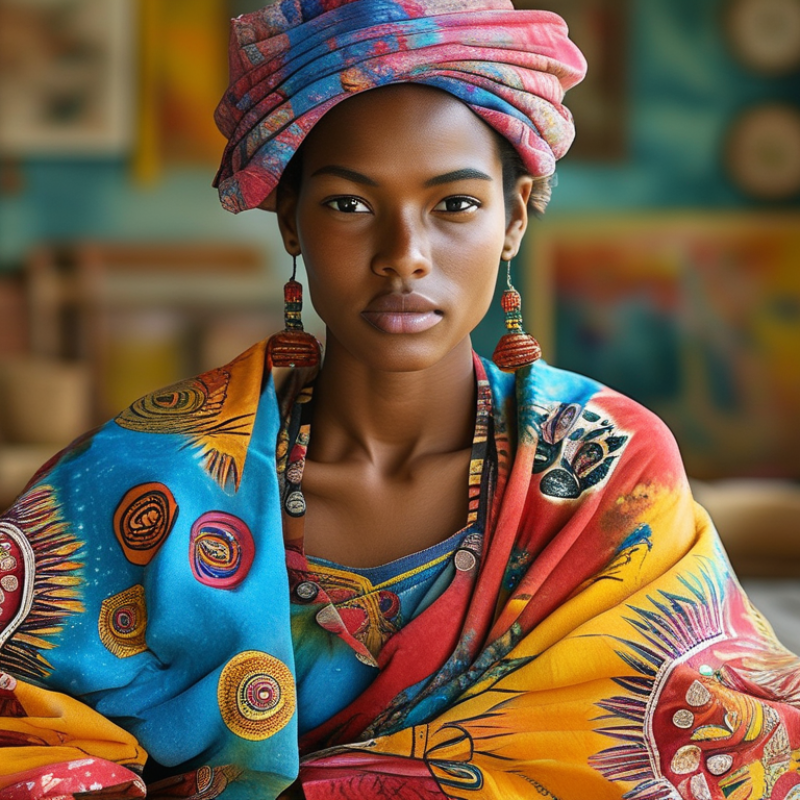
Wax fabric stands out due to its vibrant colors and unique patterns. It is often made from cotton and is coated with a layer of wax to create a stiff texture. This gives garments an eye-catching look, perfect for fashion-forward designs. The patterns are often inspired by cultural motifs, making each piece a statement of individuality.
Unlike common fabrics like cotton or polyester, wax fabric has a weather-resistant quality. It can withstand rain and moisture, which is useful for various climates. However, working with this material can be challenging. The wax coating makes it less forgiving when it comes to alterations. Mistakes can be visible and difficult to correct.
Another distinct feature is the drape. Wax fabric holds its shape well, allowing designers to create structured garments. However, this rigidity can also limit creativity. It requires a thoughtful approach to design to achieve the desired flow and movement. Those embarking on a fashion project with wax fabric should experiment and practice. This journey might reveal both the limitations and the beauty of using wax fabric in fashion.
Why Choose Wax Fabric for Your Next Fashion Project? - Unique Features of Wax Fabric Compared to Other Materials
| Feature |
Wax Fabric |
Cotton |
Silk |
Polyester |
| Vibrancy of Colors |
High |
Moderate |
High |
Moderate |
| Durability |
High |
Moderate |
Low |
High |
| Ease of Maintenance |
Moderate |
High |
Low |
High |
| Breathability |
Moderate |
High |
Moderate |
Low |
| Cost |
Moderate |
Low |
High |
Low |
Styling Tips for Incorporating Wax Fabric into Your Outfits
Wax fabric holds a unique allure in the fashion world. Its
vibrant colors and striking patterns make it a favorite among designers. To skillfully integrate wax fabric into your
outfits, consider how this material interacts with other textiles. Layering
it with light fabrics can create a stunning contrast. For instance, pairing a wax fabric skirt with a simple
cotton top can highlight its boldness while keeping the overall look balanced.
A recent report by the Fashion Institute of Technology emphasizes that sustainable textiles, including wax
fabric, are gaining popularity. In 2022, 35% of consumers preferred
eco-conscious materials. This shift signifies a demand for not just style, but also sustainability. Incorporating wax
fabric into your project could appeal to these conscious buyers.
Experimenting with accessories can elevate a wax fabric outfit. Consider a beaded necklace or wooden earrings
to enhance the look. However, be mindful of the patterns. Clashing prints
can overwhelm the outfit. Sometimes, less is more. Keeping the focus on one
bold piece can create a memorable look. Being intentional with your selections leads to successful styling. Understanding these
elements ensures a well-rounded fashion project using wax fabric.
Care and Maintenance Guidelines for Wax Fabric Garments
Wax fabric is a popular choice in fashion due to its vibrant colors and unique patterns. However, maintaining its quality can be challenging. Regular care is essential to ensure longevity and appearance. According to industry experts, proper washing techniques can help preserve the fabric's finish. Handwashing in cold water is often recommended. Machine washing should be done on a gentle cycle with a mild detergent.
Drying wax fabric can be tricky. While some might suggest tumble drying, this may lead to shrinkage or damage. Instead, air drying is a preferred method. Hanging the garments in a shaded area prevents fading. It’s also important to avoid wringing the fabric, as this can distort its shape.
Ironing requires careful attention. A low heat setting with a pressing cloth is necessary to prevent melting the wax coating. Many users overlook this step, causing irreversible damage. Regular inspections for stains or wear are crucial. Spot clean as needed to maintain the fabric’s vibrant look. Industry data indicates that garments maintained properly can last significantly longer, sometimes up to five years. Ignoring care guidelines may lead to deterioration, which is a common mistake among enthusiasts.
Sustainable Aspects of Wax Fabric in the Fashion Industry
Wax fabric is gaining attention in the fashion industry for its sustainable qualities. According to a report by the Global Fashion Agenda, the textile industry contributes to about 10% of global carbon emissions. In contrast, wax fabric, often made from cotton, is biodegradable. This can significantly reduce waste in landfills compared to synthetic fabrics.
Additionally, the production of wax fabric emphasizes ethical practices. Many artisans handcraft these textiles, promoting fair trade. This supports local economies and reduces the carbon footprint associated with large-scale manufacturing. A study from McKinsey & Company highlights that sustainable fashion can reduce the industry's environmental impact by 30% when prioritizing eco-friendly materials.
When working with wax fabric, consider the following tips: Start small. A simple bag or accessory can test your design skills. Secondly, pair wax fabric with organic cotton for a balanced look. This combination not only enhances aesthetics but also maintains sustainability. Lastly, it's vital to ensure proper care. Wax fabric may require special washing methods to maintain its integrity over time, promoting longer use.
Why Choose Wax Fabric for Your Next Fashion Project?
The bar chart above illustrates the sustainable aspects of wax fabric used in fashion projects, highlighting its biodegradable nature, organic sourcing, water resistance, durability, and cultural significance. These characteristics make wax fabric an excellent choice for eco-conscious fashion designers.