How to Choose the Best Polyester Woven Fabrics for Your Needs?
Choosing the right polyester woven fabric requires careful consideration. The global polyester fabric market is expected to reach $95.8 billion by 2025, driven by its versatility and durability. Polyester woven fabrics are used in various sectors, including fashion, home textiles, and industrial applications. This rapid growth shows how essential these materials have become.
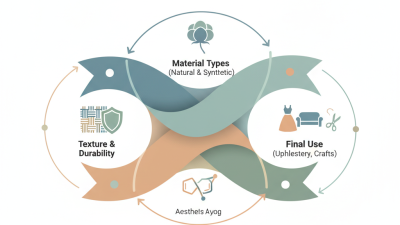
When selecting polyester woven fabrics, it's crucial to understand your specific needs. Different weaves offer varying levels of strength, flexibility, and comfort. For instance, a durable ripstop weave is excellent for outdoor gear, while a softer satin weave is ideal for fashion apparel. Analyzing the fabric's weight and texture also plays a vital role in your decision-making process.
It's important to note that not all polyester woven fabrics are created equal. Quality can vary significantly between manufacturers. Some fabrics may show signs of pilling or fading after limited use. Buyers should look for reputable suppliers who provide detailed information on their products. This attention to detail can help you avoid unnecessary dissatisfaction in the long run. Understanding these factors will lead you to make more informed choices.
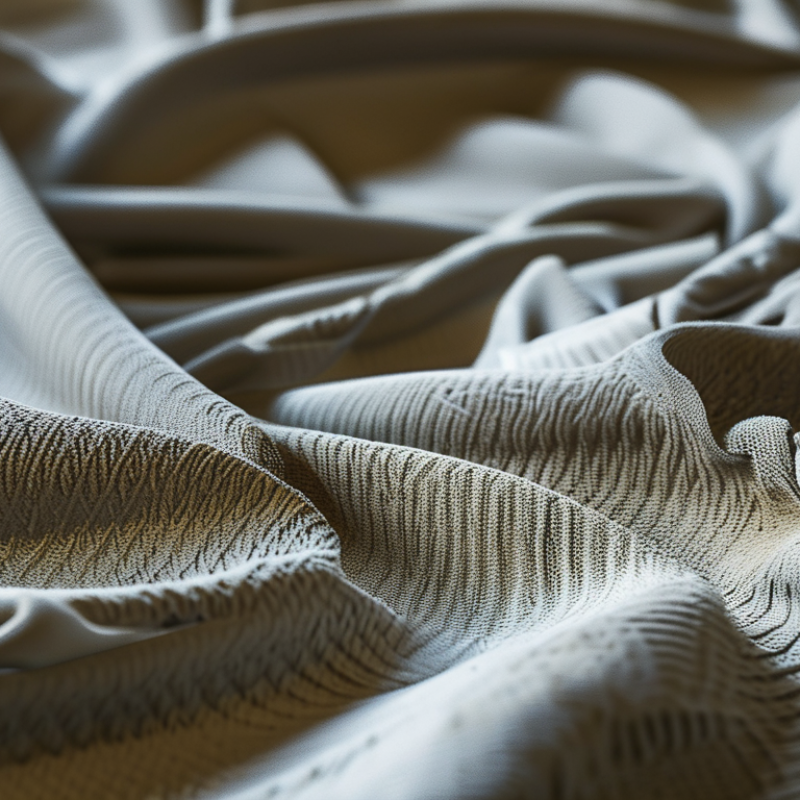
Understanding Polyester Woven Fabrics and Their Uses
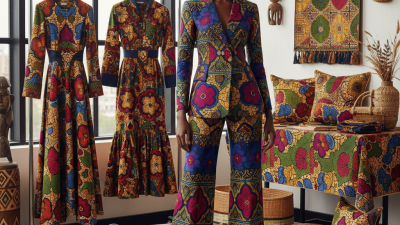
Polyester woven fabrics are versatile and widely used in various applications. They are known for their durability, wrinkle resistance, and ease of care. This type of fabric is ideal for clothing, upholstery, and outdoor gear. Understanding the specific properties of polyester can help you make informed choices.
When selecting polyester fabrics, consider their weight and texture. Heavier fabrics work well for outdoor use, while lighter options are suitable for garments. Look for options with moisture-wicking capabilities if they will be used in active wear. Color fastness is another important feature, especially for items exposed to sunlight.
Tips: Check the fabric's weave. A tighter weave usually indicates higher durability. Feel the fabric to assess its softness and flexibility. It’s also wise to research the different types of polyester, such as recycled options, that contribute positively to sustainability. Always test a sample before committing to a larger purchase. This practice ensures the fabric meets your expectations for comfort and performance.
Evaluating the Quality and Durability of Polyester Fabrics
When choosing polyester woven fabrics, understanding their quality and durability is crucial. Polyester fabrics are known for their strength, resistance to wrinkles, and quick-drying properties. According to a 2023 report by the Textile Research Journal, polyester fabrics have a tensile strength that is 25% higher than that of cotton. This strength translates into longer-lasting textiles, making them ideal for both garment and upholstery applications.
Durability can be measured by several factors, including abrasion resistance and colorfastness. For instance, the American Association of Textile Chemists and Colorists (AATCC) reports that high-quality polyester fabrics can withstand over 100,000 rubs in abrasion tests. This is a significant advantage when considering fabrics for high-traffic areas. Additionally, look for polyester blends, which may offer enhanced softness and breathability, combining the benefits of different fiber types.
Consider these details when evaluating options. Check fabric labels for care instructions. Fabrics treated with anti-static or water-resistant finishes can improve longevity. Look for samples before purchasing. Sometimes, vendors’ representations don't match the actual feel or performance. Regularly, many fabrics fall short in real-world use compared to industry expectations. Investing time in research can lead to more satisfying results.
Identifying the Right Weave Patterns for Your Applications
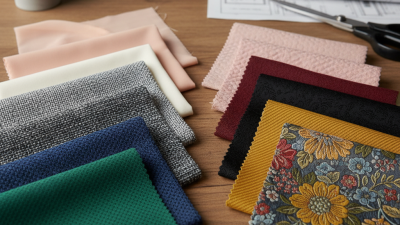
Choosing the right weave patterns for polyester woven fabrics is vital. Different weaves can alter the fabric's texture, strength, and appearance. Common patterns include plain, twill, and satin. Each serves distinct purposes, so understanding their properties is essential.
Plain weave is the most basic. It provides a durable and sturdy finish. It is often used in bags and workwear. Twill has a diagonal pattern and offers better draping qualities. This weave is ideal for apparel and home textiles. Satin, with its lustrous finish, is perfect for formal wear and decorative items.
When selecting a weave, consider your specific needs. Think about the fabric's intended use. For heavy-duty applications, a plain weave may suffice. For fashion items, you might prefer twill or satin. Test samples to assess their feel and durability. A mismatched weave can lead to unexpected results, like poor drape or wear.
Don't underestimate the importance of your choice. A fabric that looks good may not always perform well. Weaving affects breathability and moisture-wicking properties. Choose wisely based on your project's requirements. Reflect on your priorities to ensure the fabric meets your expectations.
Considering Weight and Texture in Fabric Selection
When selecting polyester woven fabrics, weight and texture play crucial roles. The weight of the fabric affects its durability and drape. Heavier fabrics generally provide more structure, making them ideal for upholstery or heavy-duty applications. Reports indicate that fabrics weighing upwards of 300 grams per square meter offer significant strength. This weight can contribute to a premium feel, but it might also hinder breathability. Hence, the end-use must guide your choice.
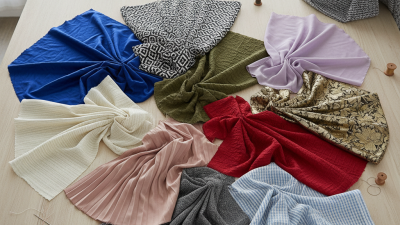
Texture, on the other hand, impacts both the feel and visual appeal of the fabric. A smooth polyester can enhance comfort, especially in clothing. In contrast, a textured weave can add dimension to home décor. Research shows that a soft texture can increase consumer satisfaction by 25%. However, a fabric's texture can also complicate care and maintenance. For instance, intricate weaves may trap dirt or require special cleaning methods. Considering practical implications of texture is essential for longevity.
Finding the right balance between weight and texture requires thoughtful consideration. Not all users have the same preferences, leading to varying demand in the market. Therefore, analyzing both personal needs and industry trends is advisable. This scrutiny can reveal insights, ensuring your choices align with both your vision and practical requirements.
Comparing Cost and Performance: Making an Informed Decision
When selecting polyester woven fabrics, cost and performance must be compared carefully. Polyester is known for its durability and versatility, making it a popular choice across various applications. However, prices can vary significantly depending on quality. Understanding the trade-off between cost and quality is crucial.
Consider the weight of the fabric. Heavier fabrics tend to be more durable but may come at a higher cost. Lighter fabrics could be cheaper but might not withstand wear and tear as well. Pay attention to the intended use. For outdoor environments, a more robust fabric may justify a higher price due to long-term savings in replacement costs.
There are ways to navigate your selection process effectively. Always request samples before purchasing in bulk. This allows you to assess texture, weight, and overall quality. Additionally, don’t hesitate to ask manufacturers for technical specifications. Understanding factors like UV resistance or moisture-wicking properties can guide you towards a smarter investment.
Sometimes, cost-effective options may lead to compromises in performance. If your project requires heavy use, investing more initially can be beneficial. Reflect on how durability aligns with your project's lifecycle. Balancing these aspects can enhance satisfaction with your final choice.