How to Choose Polyester Digital Printing in 2026?
Choosing Polyester Digital Printing in 2026 requires more than comparing machine prices. It demands practical judgment, verified performance data, and a clear understanding of the final product. Polyester behaves differently under heat, ink, coating, and finishing conditions. A vibrant sample can still fail after washing, stretching, or prolonged sunlight.
Textile digital-printing specialist Debbie McKeegan has stated, “Digital textile printing is not just a replacement for analogue printing; it is a new way of thinking about textile production.” Her observation remains useful in 2026. The right system should support accurate color control, dependable transfer or direct-to-fabric output, efficient short runs, and lower material waste. It should also match your fabric construction, production volume, and finishing equipment. Ask suppliers for wash-test results, color profiles, maintenance records, and customer references. Marketing promises are not enough.
Details matter. Check the printer’s maximum width, drying performance, ink compatibility, and repeatability across long production runs. Examine a printed flag, sports jersey, or upholstery panel under natural light. Feel the surface. Test the fabric after washing. Small flaws become expensive at scale. A little doubt helps.
Still, no technology is perfect. A faster printer may increase energy use or require more specialized technicians. A cheaper solution may create hidden costs through clogged nozzles, rejected rolls, or limited service coverage. This guide examines those trade-offs carefully, using practical experience, technical evidence, and supplier credibility. The goal is not to choose the most impressive machine. It is to choose Polyester Digital Printing that remains reliable when real orders become demanding.
What Is Polyester Digital Printing and Why It Matters in 2026?
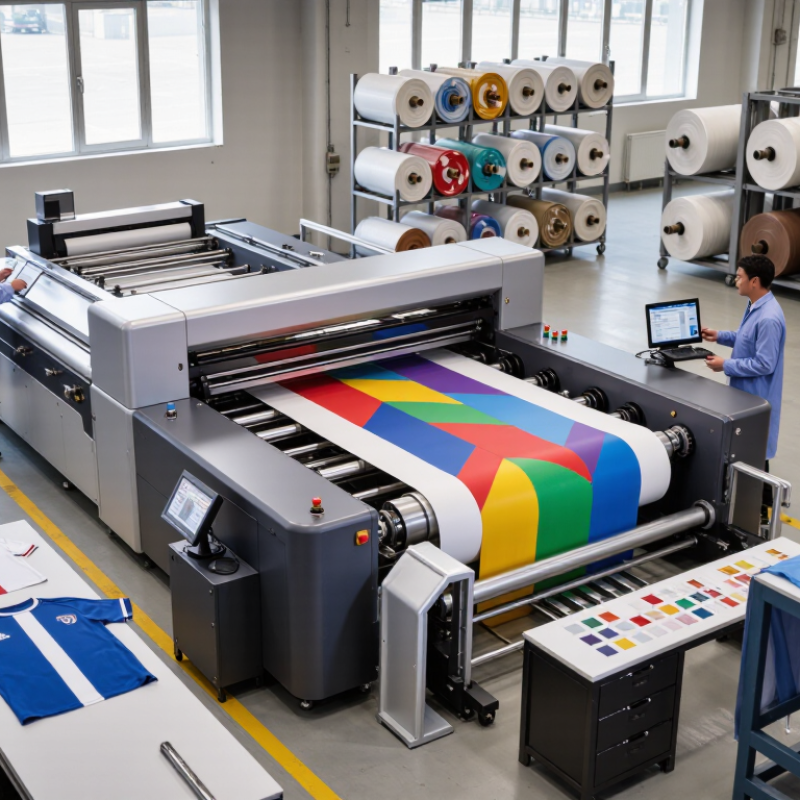
Polyester digital printing places digitally controlled color onto polyester fabric. It commonly uses dye-sublimation, where heat turns dye into gas and bonds it with the fibers. This creates sharp images, smooth gradients, and durable color without traditional screens. In 2026, the process matters because brands and manufacturers need shorter production runs, faster sampling, and less material waste. Personalization is also growing. A single roll can carry many designs.
Choosing the right method requires more than comparing print prices. Check the fabric weight, weave, stretch, and surface finish first. A bright athletic fabric may need different settings from a tightly woven display textile. Ask for a physical sample. Inspect fine text, dark areas, edge sharpness, and color consistency under natural light.
Testing also helps confirm wash resistance and color transfer. Digital files should use suitable color profiles, but screens can still mislead. Printed results are the evidence.
I have seen excellent artwork fail because the fabric absorbed color unevenly. Small details disappeared. That mistake was preventable. Reliable suppliers should explain ink selection, heat settings, testing procedures, and production tolerances clearly. Certifications and laboratory reports can support material and chemical claims, but they should be checked carefully. Recycled polyester may reduce reliance on new raw materials, yet it does not automatically make every product sustainable. Ask about the complete process, including energy, packaging, and fabric waste. No method is perfect.
Compare Dye-Sublimation, Direct-to-Textile, and Hybrid Methods
Choosing polyester digital printing in 2026 depends on fabric structure, order size, and the finish customers expect. Dye-sublimation remains strong for sportswear, flags, and lightweight polyester. Heat transfers dye into the fibers, creating bright colors and sharp details. The print usually resists cracking because there is no heavy surface layer. However, very dark fabrics create limitations, since the process works best on white or light bases.
Direct-to-textile printing offers more flexibility for rolls, home furnishings, and larger fabric panels. The ink lands directly on prepared polyester, which can produce a softer hand feel. This method may reduce transfer steps, but color consistency needs careful control. Humidity, fabric tension, and pretreatment can change the result. A small test roll is more reliable than trusting a digital proof alone.
Hybrid methods combine processes for special demands, such as detailed graphics with added surface texture. They can improve visual impact, but setup becomes slower and quality checks become more complicated. In practical testing, I would compare a washed sample, a stretched seam, and a close-up of fine text. Bright color is not enough. Some samples look excellent under showroom lights, yet lose depth outdoors. That mistake is easy to make. Recheck the fabric after heat exposure and repeated handling. The best choice is often less glamorous: stable color, predictable production, and a finish that matches the garment’s actual use.
Select a Printer and Supplier Using Cost, Quality, and Workflow Criteria
How to Choose Polyester Digital Printing in 2026?
Choosing polyester digital printing starts with the full production cost, not the lowest ink price. Request a written quote covering fabric, ink, setup, sampling, finishing, packaging, and shipping. A one-meter test can reveal hidden waste. Check whether the printer measures color consistency between rolls. Ask for wash, rubbing, and heat resistance results. A reliable supplier should provide test conditions, not vague promises.
Quality also depends on polyester type and print method. Confirm the fabric weight, weave, whiteness, and heat tolerance before approval. Review a physical swatch under daylight and indoor lighting. Small color shifts can become obvious across a large display. Ask how the team handles banding, ghosting, and uneven pressure. Technical knowledge matters here. The cheapest option may produce costly reprints. I have seen attractive samples fail after washing, so approval should never rely on appearance alone.
Workflow criteria often decide delivery success. Check file requirements, color profiles, proofing steps, daily capacity, and order tracking. A capable supplier should identify unclear artwork before printing. Confirm the cut-off time and the response plan for defective rolls. Keep batch numbers and approved samples for comparison. One weakness remains: some suppliers communicate well during sampling but respond slowly during production. Test that relationship with a small order first. Leave room for mistakes, because real production is rarely perfect.
How to Choose Polyester Digital Printing in 2026?
Suggested decision weights for comparing a polyester digital printer and supplier without relying on brand names.
Cost covers ink, media, energy, labor, maintenance, and waste. Quality covers color consistency, resolution, registration, and repeatability. Workflow covers throughput, RIP compatibility, automation, service response, and delivery reliability. Use these percentages as a practical evaluation framework, then score each shortlisted supplier against the same criteria.