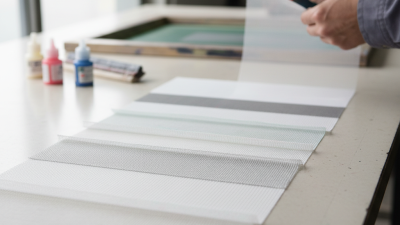
China Top 10 Polyester Printing Mesh Suppliers?
Selecting reliable suppliers for China’s top 10 polyester printing mesh market requires more than comparing prices. This guide introduces manufacturers that deserve closer attention from screen printers, distributors, and industrial buyers. It focuses on product consistency, technical support, production experience, and communication quality. A polished catalog is not enough. Real evidence matters.
The evaluation considers mesh count, thread diameter, opening accuracy, tensile strength, and surface treatment. These details affect ink transfer, image sharpness, and screen durability. Supplier capability also includes cutting precision, roll packaging, export documentation, and batch traceability. Buyers should request samples and inspect them under practical printing conditions. For example, a mesh roll should remain smooth after transport, without crushed edges or uneven tension. Certifications can support credibility, but they should be verified through current documents and relevant testing. Factory audits, customer references, and clear quality-control records add stronger evidence.
This overview does not claim that one supplier fits every application. A company serving textile printers may not suit electronics or ceramic printing. Ranking suppliers is also imperfect because prices, capacity, and service levels change over time. A supplier may perform well during sampling, then respond slowly after a large order. That possibility deserves attention. Careful buyers should compare trial results, delivery performance, replacement policies, and technical answers before making a decision. With these practical checks, Polyester Printing Mesh buyers can narrow the field and choose partners with greater confidence, not merely attractive online listings.
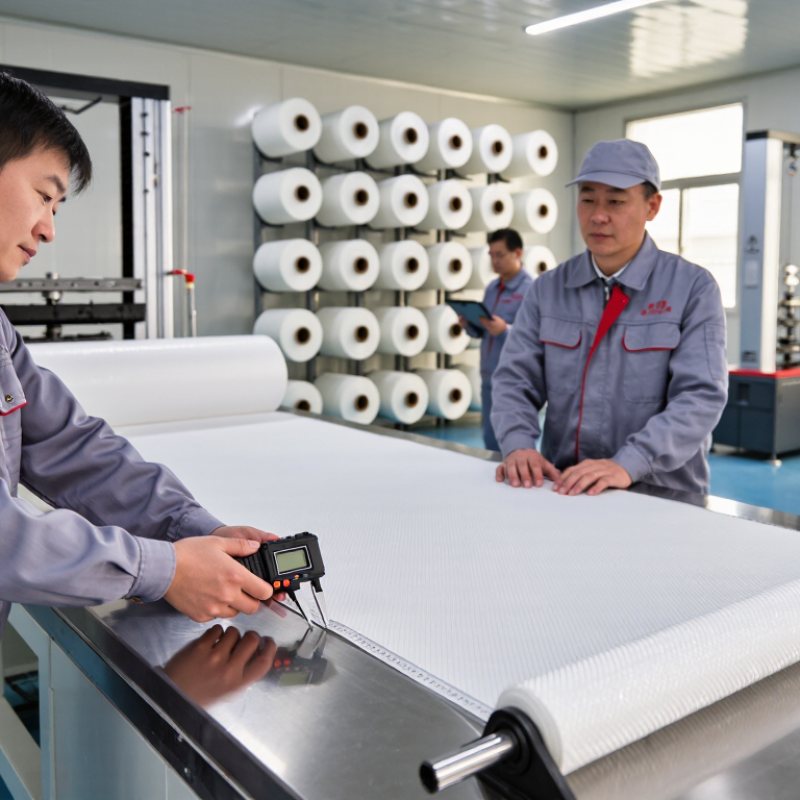
What Is Polyester Printing Mesh and Why Does Supplier Choice Matter?
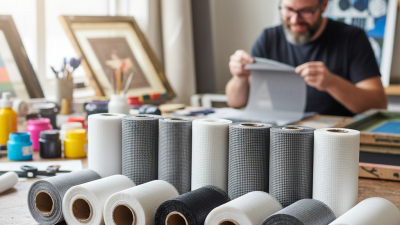
Polyester printing mesh is a woven screen material used to transfer ink through controlled openings. It usually uses monofilament polyester yarn, valued for dimensional stability, chemical resistance, and repeatable tension. Mesh count, thread diameter, opening size, and tensile strength directly affect ink deposit and image detail. Fine mesh can hold small text, while coarser mesh carries heavier ink. Small differences matter.
Supplier choice matters because the mesh must perform consistently from roll to roll. In production, uneven tension can create blurred edges, pinholes, or registration problems. A reliable Chinese supplier should provide measurable specifications, inspection records, and samples from current production. Ask how the fabric is heat-set, how tension is tested, and how defects are marked. Clear answers beat attractive catalog language. Traceability also helps when a batch behaves differently after exposure to ink cleaners or curing heat.
Price alone is a weak purchasing tool. I have seen a cheaper roll waste more time than it saved. Before a large order, test the mesh with your own emulsion, squeegee pressure, ink, and drying process. Measure stencil coating, print sharpness, ink coverage, and recovery after washing. Supplier audits should include packaging, moisture protection, lead time, and response quality. One practical warning remains: specifications may look perfect, yet sample tension can still vary. That uncomfortable gap deserves a second test.
How to Evaluate China’s Top Polyester Printing Mesh Suppliers
Choosing China’s top polyester printing mesh suppliers requires more than comparing prices.
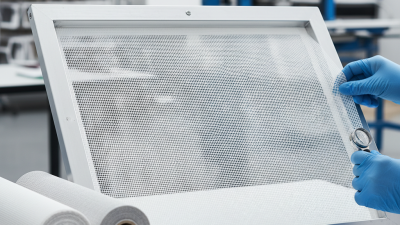
A reliable evaluation starts with measurable product details: mesh count, thread diameter, tensile strength, opening size, and dimensional stability. Ask for technical data sheets and a physical sample. Hold the mesh against light. Uneven openings may reveal inconsistent weaving. For screen printing, check whether the mesh suits your ink, stencil emulsion, exposure method, and required image detail. A supplier with documented quality control is usually safer than one offering impressive claims without evidence.
Tips: Request samples from several suppliers. Compare mesh tension after stretching. Review batch records, inspection reports, and material traceability. Confirm production capacity, minimum order quantities, packaging, and realistic lead times. Ask how complaints are handled. A clear answer matters. Factory photos help, but an independent audit or live video inspection provides stronger evidence.
My first supplier comparison focused too heavily on unit cost. That was a mistake. A cheaper roll can create registration problems, uneven ink deposits, and more waste during production. Evaluate communication, too. Technical replies should include specific tolerances, not vague promises. Check whether the supplier can maintain the same specifications across repeat orders. I would also test one production batch before making a larger commitment. No supplier is perfect, and even good documentation cannot replace practical testing. The best choice is the supplier that demonstrates consistent performance, explains limitations honestly, and supports verification at every stage.
China’s Top 10 Polyester Printing Mesh Suppliers by Product Strengths
China Top 10 Polyester Printing Mesh Suppliers?
China’s Top 10 Polyester Printing Mesh Suppliers by Product Strengths
This strength-based list does not claim audited market share. It compares practical capabilities instead. Smithers’ report, The Future of Digital Textile Printing to 2027, projects the digital textile printing market to reach about US$3.75 billion by 2027. That growth increases demand for stable polyester mesh, especially in detailed garment printing.
The leading supplier profiles include high-tensile monofilament mesh, fine mesh for halftones, and coarse mesh for heavier ink deposits. Some suppliers focus on low elongation and heat-set stability. Others provide custom widths, rapid sampling, or pre-stretched frames. Several offer recycled-polyester options, but documentation quality still varies. Export-focused factories usually provide mesh-count certificates, tensile data, and roll inspection records. Smaller producers may offer competitive pricing and flexible quantities. Their process control can be less consistent. That matters.
The best choice depends on application, not price alone. For sharp details, inspect thread diameter, opening percentage, and dimensional stability. For large textile runs, request roll-to-roll consistency tests. A useful benchmark is the ISO 9044 framework for industrial woven wire and mesh testing, although polyester mesh may require additional supplier-specific methods. Ask for recent test samples. Check them after washing and stretching. Do not trust one impressive sample.
Tips: Request three mesh counts, one production roll, and a signed inspection sheet. Confirm tolerances before payment. Also ask how defects are recorded. Suppliers that hesitate may still be capable, but the risk becomes harder to measure.
China Top 10 Polyester Printing Mesh Suppliers by Product Strengths
| Rank |
Anonymous Supplier Profile |
Primary Product Strength |
Typical Mesh Count
(threads/cm) |
Typical Thread Diameter
(µm) |
Typical Open Area
(%) |
Common Width
(mm) |
Best-Fit Applications |
| 1 |
Supplier Profile 01 |
High-tension precision mesh |
120–180 |
31–40 |
25–42 |
1000–3700 |
Fine graphics, halftone printing, detailed labels |
| 2 |
Supplier Profile 02 |
High-wear solvent-resistant mesh |
90–150 |
40–55 |
30–48 |
1000–3650 |
Industrial graphics, solvent-based inks, repeated production |
| 3 |
Supplier Profile 03 |
Textile-printing mesh with balanced ink deposit |
43–90 |
55–90 |
35–55 |
1000–3300 |
Garments, fabric panels, sportswear and promotional textiles |
| 4 |
Supplier Profile 04 |
Low-stretch mesh for registration stability |
77–150 |
40–55 |
30–50 |
1000–3700 |
Multicolor work, precise registration and automated screen lines |
| 5 |
Supplier Profile 05 |
Coarse mesh for high ink coverage |
15–43 |
90–160 |
45–65 |
1000–3300 |
Thick deposits, specialty inks, bold textile designs |
| 6 |
Supplier Profile 06 |
Fine mesh for high-resolution graphics |
150–200 |
27–34 |
22–35 |
1000–3700 |
Small text, photographic images and narrow-line artwork |
| 7 |
Supplier Profile 07 |
General-purpose monofilament polyester mesh |
34–120 |
40–100 |
30–58 |
1000–3700 |
Standard graphics, packaging, paper and plastic substrates |
| 8 |
Supplier Profile 08 |
Wide-roll mesh for large-format production |
43–90 |
55–90 |
35–55 |
2000–4000 |
Oversized signs, banners, textile rolls and industrial panels |
| 9 |
Supplier Profile 09 |
Durable mesh for long print runs |
55–120 |
55–100 |
32–55 |
1000–3700 |
High-volume packaging, labels and repeat commercial orders |
| 10 |
Supplier Profile 10 |
Custom-cut and application-specific mesh |
21–180 |
31–140 |
25–65 |
300–4000 |
Prototype orders, special formats and customized screen requirements |
Note: The specifications shown are typical polyester screen-printing mesh ranges used in the Chinese supply market. Actual availability, tolerances, treatment options and performance should be confirmed against each supplier’s current technical data sheet.