7 Tips for Buying Thick Polyester Fabric
Buying Thick Polyester Fabric can seem straightforward until the roll arrives stiff, shiny, or thinner than expected. Weight alone does not tell the full story. A dense 600-denier fabric may perform differently from a tightly woven 300-denier option. The best choice depends on its intended use, indoor or outdoor exposure, sewing method, and required appearance.
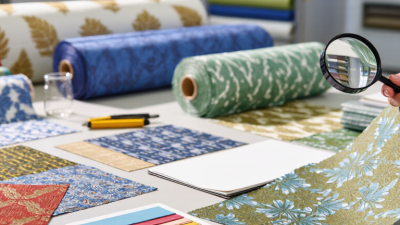
This guide shares practical tips developed from comparing upholstery, bag, banner, and protective textile samples. You will learn how to examine GSM, weave structure, coating quality, abrasion resistance, colorfastness, and supplier reliability. Hold the fabric against light. Rub a corner repeatedly. Bend it sharply and inspect the crease. Small tests often reveal more than attractive product photographs.
Details matter.
Ask whether the stated thickness refers to fabric weight, yarn size, or a finished coating. These measurements are not interchangeable. Request a sample before ordering bulk quantities. Check the selvage, measure the usable width, and compare the sample with its technical specification. A reliable supplier should explain production tolerances and provide relevant test information.
My own buying decisions have not always been perfect. I once selected a heavy fabric that looked durable, but its coating cracked after repeated folding. That mistake changed my approach. Durability must match real handling, not just a impressive specification sheet. Price also deserves careful thought. The cheapest roll may create higher costs through difficult cutting, weak seams, fading, or early replacement.
The following seven tips will help you assess Thick Polyester Fabric with greater confidence, while leaving room for practical testing and honest reconsideration.
Understand the Structure and Uses of Thick Polyester Fabric
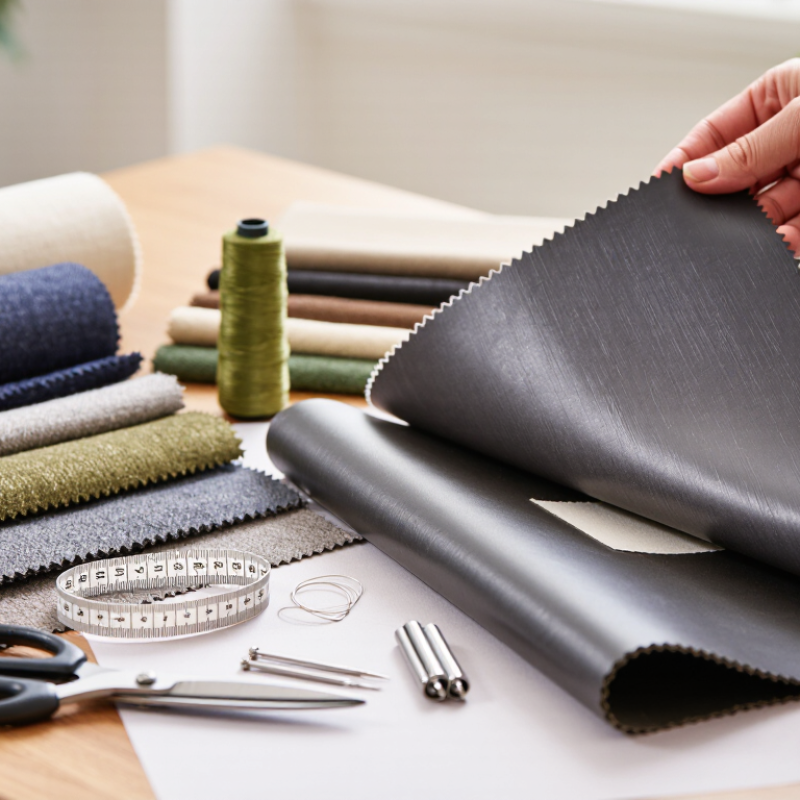
Thick polyester fabric is not defined by weight alone. Its structure includes fiber thickness, weave density, yarn count, and finishing treatments. A high GSM fabric may feel firm, but it can still lack tear resistance. Check the fabric edge, then study its weave under bright light. Tight, even threads usually indicate better stability. However, appearance can mislead.
I once selected a heavy fabric for outdoor covers because it felt durable. After several weeks, moisture stayed on the surface and the fabric became difficult to handle. The problem was a dense coating, not weak polyester. This taught me to check breathability, water resistance, and flexibility together. Ask for GSM, denier, width, shrinkage data, and abrasion results. A small sample test remains useful.
Thick polyester suits upholstery, bags, workwear, curtains, protective covers, and some outdoor products. Choose tightly woven fabric for abrasion and shape retention. Choose coated fabric when water resistance matters. For clothing, a softer finish may prevent stiffness and skin discomfort.
Inspect stitching areas, too. Thick cloth can split near poorly reinforced seams. Hold the sample in your hand. Bend it, pull it gently, and place a few drops of water on it.
These simple checks reveal practical behavior. Still, home testing cannot replace verified technical data. Suppliers may describe fabric as heavy without explaining its actual construction. That wording deserves caution.
Evaluate Fabric Weight, Thickness, and Weave Density
7 Tips for Buying Thick Polyester Fabric
Evaluate Fabric Weight, Thickness, and Weave Density
When buying thick polyester fabric, do not judge quality by appearance alone. Measure fabric weight in grams per square meter, or GSM. A higher GSM often feels denser, but it does not guarantee better performance. Ask for a labeled sample and compare it with a verified scale reading. Small differences matter.
Use a digital caliper to check thickness at several points. Press gently, because heavy compression can produce misleading readings. Record measurements near the edge and center. Uneven thickness may signal loose finishing, coating variation, or inconsistent yarn tension. That deserves caution. Inspect weave density under bright, angled light. Count warp and weft threads within a measured square. Tightly packed yarns usually resist snagging and provide a smoother surface. However, an extremely tight weave can reduce breathability.
Rub the sample against rough cotton cloth and flex it repeatedly. Look for fuzz, shifting yarns, or cracking at folded areas. Request washing and abrasion data when the fabric will face daily use. Independent laboratory results are more dependable than vague sales descriptions. I have learned that thick fabric can soften or shrink unexpectedly after washing. My earlier assumption was imperfect. Test before ordering bulk quantities. Compare GSM, caliper readings, weave density, and intended use together. A curtain, work jacket, and outdoor cover need different balances. This prevents a heavy fabric from becoming an expensive mistake.
Compare Color, Finish, Certifications, and Supplier Quality
Buying thick polyester fabric requires more than judging a swatch under showroom lights. Compare color under daylight, warm indoor light, and shadow. Request a lab dip, then check shade variation across the roll. Textile Exchange’s 2024 Materials Market Report estimates that polyester represented about 57% of global fiber production in 2023. That scale makes supplier consistency important, not optional. Ask for fabric weight, width, yarn type, and batch records. A beautiful sample can still hide uneven density.
Study the finish closely. Brush a fingertip across the surface and inspect shine, stiffness, coating, and pilling risk. Match the finish to the product’s use, especially for upholstery, bags, or outdoor covers. Test color fastness against washing and rubbing, using relevant ISO 105 methods. Certifications need similar attention. OEKO-TEX Standard 100 can support chemical safety claims, while the Global Recycled Standard can verify recycled content and chain-of-custody controls. Check the certificate scope, validity date, and facility name. A logo alone proves very little.
Supplier quality shows in the evidence they provide. Request recent inspection reports, test results, and a clear defect policy. ISO 2859-1 sampling methods can structure acceptance checks, while ISO 9001 certification may indicate a documented quality system. It does not guarantee perfect fabric. Measure GSM from several roll sections, not just the center. Pull the fabric gently. Listen for crackling coatings or notice sudden stiffness changes. I once trusted a smooth sample too quickly; the production roll felt harsher. That mistake was avoidable. Ask for a pre-shipment sample and keep approval records before payment.
7 Tips for Buying Thick Polyester Fabric — Compare Color, Finish, Certifications, and Supplier Quality
Use this suggested 100-point buying scorecard to compare fabric offers consistently. Give extra weight to color accuracy, supplier quality, finish performance, and certification verification before placing an order.
The percentages are a practical evaluation framework, not an industry-wide statistical benchmark. Confirm each result with physical samples, test reports, and valid certification documents.