inquiry
Leave Your Message

How to Choose Polyester Printed Fabric for Wholesale?

Choosing Polyester Printed Fabric for wholesale is not simply a color decision. It is a supply decision. The fabric must match the product, printing method, customer expectations, and delivery schedule.

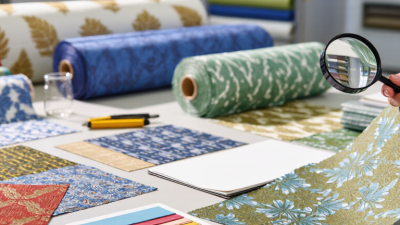
A practical evaluation starts with the fabric roll. Check its weight, width, surface smoothness, stretch, and drape. Then inspect the print under daylight. Tiny color shifts can become expensive across thousands of meters. Ask suppliers for a physical sample, not only digital images. Test washing, rubbing, perspiration, and light exposure before approving production. These details reveal problems early.

Textile scientist Dr. Subhash K. Batra offers a useful reminder: “Fabric performance begins with fiber selection, but wholesale success depends on testing the finished cloth.” His point is especially relevant to Polyester Printed Fabric. Polyester may provide strong color retention, quick drying, and stable dimensions. However, these advantages vary with yarn quality, fabric construction, finishing, and print technology. A low price can hide weak colorfastness or unexpected shrinkage.

Wholesale buyers should compare GSM, usable width, minimum order quantity, lead time, packaging, and replacement policies. Confirm whether the quoted price includes printing, finishing, inspection, and shipping. Certification documents can support responsible sourcing, but documents should match the actual product batch. That step is often missed.

There is no perfect fabric.

A design may look excellent yet feel too stiff. A sample may pass testing but fail during bulk production. Careful buyers leave room for uncertainty. They record test results, approve a sealed reference sample, and communicate tolerances clearly. This guide explains how to make that decision with practical evidence rather than attractive promises.

How to Choose Polyester Printed Fabric for Wholesale?

Understanding Polyester Printed Fabric Types and Applications

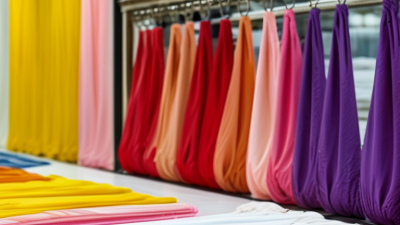
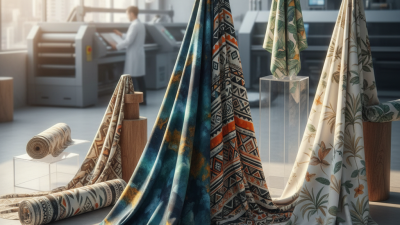
Polyester printed fabric comes in several practical forms, and each behaves differently in production. Woven polyester offers a stable surface for flags, backdrops, table covers, and fashion panels. Knitted polyester feels softer and drapes better for sportswear, banners, and event garments. Stretch versions suit fitted clothing, but their printed image can distort when pulled.

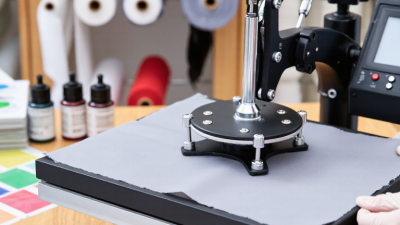
Printing method also affects wholesale performance. Dye sublimation bonds color into polyester fibers, producing bright images with good wash resistance. It works well for sports jerseys, scarves, and interior displays. Direct digital printing can handle detailed artwork and smaller batches. However, results may vary with fabric coating, ink quality, and heat settings. Ask for a physical sample.

Check fabric weight, width, opacity, and shrinkage before approving a large order. A lightweight mesh may reduce shipping costs, yet it can reveal uneven backgrounds. Satin creates strong color depth, but fingerprints and creases show easily. Oxford polyester is more durable for outdoor signs, though its texture may soften fine details.

In my sampling work, I once chose a glossy surface for a premium look. The finished folds looked cheap. That mistake changed my checklist. Ask about roll consistency, color tolerance, edge curling, and testing records. Small differences become expensive across hundreds of meters. Perfect matching is not always realistic. Clear specifications are.

Evaluating Fabric Quality, Weight, Width, and Print Performance

How to Choose Polyester Printed Fabric for Wholesale?

Wholesale buyers should inspect fabric quality before discussing price. Check the surface under direct light. It should look even, without slubs, oil marks, or loose fibers. Rub a printed area with a dry white cloth. Excessive color transfer may indicate weak fixation.

A small wash test is better than a supplier photograph. I have found that a smooth hand feel can hide poor strength, so test both.

Fabric weight affects drape, durability, shipping cost, and final use. Lightweight polyester suits flags, scarves, and flowing garments. Heavier fabric often works better for bags, uniforms, and structured displays. Ask for the weight in grams per square meter, not only “light” or “heavy.”

A difference of 10 to 20 GSM can change production results. Still, weight alone proves little. Fiber construction matters too.

Width must match the cutting plan. Measure usable width after printing, because edge distortion or blank margins may reduce it. Confirm whether the quoted width includes selvages. Print performance also deserves a physical sample. Examine color accuracy, sharp details, white coverage, and registration. Dark artwork may appear dull on untreated fabric. Repeated patterns can reveal shifting across the roll. Request a wash, stretch, and light exposure test when the product needs long service. My own mistake was approving a vivid sample without checking the reverse side; the print looked uneven after sewing. A written specification can prevent that oversight.

Choosing Suitable Printing Methods, Patterns, and Color Standards

For wholesale polyester fabric, the printing method should match the order size, surface effect, and delivery plan. Sublimation printing works well for lightweight polyester because heat transfers disperse dyes into the fibers. It creates sharp sportswear graphics and soft handfeel. Direct-to-fabric disperse printing suits wider rolls and detailed repeating patterns. Screen printing remains practical for large quantities with limited colors, although setup time and screen costs can rise.

Pattern planning needs physical judgment, not only computer previews. Small geometric designs can expose registration errors on a one-meter repeat. Large florals may look attractive on screen but become awkward across seams. I usually request a strike-off, then inspect a folded sample under daylight. A 2024 Grand View Research report estimated the digital textile printing market at about 2.3 billion US dollars in 2023, with strong growth expected through 2030. That growth supports digital sampling, but it does not remove production risks.

Color control should use measurable targets rather than names such as “deep blue.” Ask suppliers for CIELAB values, approved lab dips, and a defined ΔE tolerance. ISO 105-J03 provides guidance for evaluating color differences in textiles. A spectrophotometer reading is useful, yet lighting still changes perception. Small errors matter. Keep the same fabric construction during approval, because a different weight can alter saturation. Industry reports often use different market definitions, so their forecasts need careful reading. I still allow a controlled tolerance; demanding perfect visual identity across every batch may be unrealistic.

How to Choose Polyester Printed Fabric for Wholesale? - Choosing Suitable Printing Methods, Patterns, and Color Standards

Use this comparison table to match polyester fabric construction, printing technology, pattern design, color-control requirements, and wholesale quality targets with the intended end use.

Decision Area Recommended Option Typical Technical Data Best Wholesale Application Advantages Quality-Control Points
Fabric Composition 100% polyester woven or knitted fabric Polyester content: 100%; common weights: 60–240 g/m² depending on the product. Sportswear, flags, banners, scarves, home textiles, fashion apparel, and promotional products. Good dimensional stability, quick drying, broad print compatibility, and consistent bulk production. Verify fiber content, fabric weight, width, shrinkage, surface uniformity, and batch-to-batch consistency.
Fabric Construction Choose construction according to the product function Plain weave: stable and smooth; twill: stronger diagonal structure; knitted fabric: stretch and drape; mesh: open ventilation structure. Plain weave for flags and apparel panels; twill for uniforms and bags; knitted fabric for activewear; mesh for breathable products. Construction directly affects image sharpness, hand feel, drape, stretch, abrasion resistance, and sewing performance. Check weave or knit defects, skew, stretch recovery, edge curling, GSM tolerance, and finished width.
Dye-Sublimation Printing Transfer sublimation for light-colored polyester Design is printed on transfer paper and transferred by heat; common transfer temperatures are approximately 180–210°C, subject to the fabric and ink system. Sportswear, flags, decorative textiles, scarves, and products requiring all-over or photographic graphics. Bright color appearance, detailed images, smooth hand feel, and strong penetration into suitable polyester fibers. Control temperature, pressure, dwell time, paper alignment, fabric moisture, color profile, and ghosting. Test crocking and wash performance.
Direct-to-Fabric Disperse Printing Direct digital printing with disperse dye technology Ink is applied directly to polyester fabric and normally requires heat fixation and cleaning or finishing according to the process. Fashion yardage, sampling, short-to-medium production runs, and designs requiring flexible repeats. Reduces transfer-paper handling, supports customized layouts, and can provide high image detail on compatible fabric constructions. Check fixation, steaming or heat-setting conditions, washing-off efficiency, print penetration, surface staining, and color uniformity.
Rotary Screen Printing Rotary screen printing for long, repeated production Each color generally requires a separate screen; repeat size depends on the screen circumference and machine configuration. Large-volume orders with repeated patterns, stable color counts, and predictable production schedules. Efficient for long runs, consistent repeat placement, and economical when the same design is produced repeatedly. Approve screen strike-offs, check registration, screen cleanliness, paste viscosity, repeat alignment, and color-to-color consistency.
Flat Screen Printing Flat screen printing for selected panels or moderate runs Suitable for spot colors, localized graphics, and designs that do not require continuous rotary repeats. Garment panels, apparel details, decorative sections, and medium-volume wholesale orders. Useful for bold graphics and controlled placement; setup can be more practical than rotary printing for limited repeats. Inspect edge sharpness, ink coverage, registration, hand feel, curing or fixation, and resistance to washing and rubbing.
Transfer Heat Printing Heat-transfer film or printed transfer for small graphics Graphic is transferred using heat and pressure; operating conditions vary by transfer material and fabric surface. Logos, numbers, names, labels, small artwork, customized samples, and low-quantity orders. Fast customization, suitable for variable information, and practical for small production quantities. Test peel strength, cracking, edge lifting, surface adhesion, wash durability, and compatibility with the fabric finish.
Pattern Scale Match scale to product size and viewing distance Small repeat: approximately 2–8 cm; medium repeat: approximately 8–25 cm; large repeat: above 25 cm. These are planning ranges rather than fixed standards. Small repeats for shirts and accessories; medium repeats for dresses and home textiles; large repeats for banners and statement garments. Appropriate scale improves visual balance, cutting efficiency, and perceived print quality. Review the pattern on a full-width sample, not only on a small screen image. Confirm repeat size, direction, and cutting markers.
Pattern Complexity Select complexity according to printing method and budget Simple geometric patterns use fewer colors; photographic or painterly artwork requires more tonal transitions and tighter color control. Geometric designs for cost-sensitive volume orders; detailed artwork for premium fashion or decorative applications. Simpler artwork generally improves registration tolerance and production efficiency, while digital methods support more complex imagery. Check fine-line reproduction, minimum positive and negative details, gradients, moiré risk, and the effect of fabric texture on clarity.
Color Standard Use physical standards plus measured digital color data Specify CIELAB values under a defined illuminant and observer condition, such as D65 with a 10° observer, when applicable. All wholesale programs requiring repeatable approval across different production batches. Combines visual approval with measurable data and reduces ambiguity between artwork, lab dips, strike-offs, and bulk production. Record illuminant, observer angle, substrate, measurement geometry, instrument condition, and the approved physical sample.
Color Difference Tolerance Set a project-specific Delta E target For many commercial textile programs, a preliminary target may be ΔE00 ≤ 2.0 for critical colors and ΔE00 ≤ 3.0 for general production, subject to buyer approval. Color-critical apparel, coordinated collections, uniforms, home-textile programs, and repeat orders. Creates an objective acceptance rule instead of relying only on visual judgment. Do not compare readings from different instruments without correlation. Measure several points and evaluate both numerical results and visual appearance.
Color Evaluation Lighting Evaluate samples under more than one standard light source Common evaluation conditions include daylight simulation, store or office lighting, and a warm incandescent-type source. Retail products, fashion collections, interior textiles, and colors likely to be viewed under different lighting environments. Helps identify metamerism, where two samples appear similar under one light but different under another. Use a neutral viewing booth when possible; avoid direct sunlight, colored walls, and mixed lighting during approval.
Colorfastness to Washing Define the required wash-performance grade before bulk production Many apparel programs target a minimum grade around 4 for color change and staining, but the exact requirement depends on the end use and test method. Washable garments, sportswear, uniforms, bedding, and reusable textile products. Reduces the risk of fading, staining adjacent materials, and customer complaints after laundering. Specify washing temperature, detergent, cycle, number of washes, fabric construction, and assessment scale in the test request.
Dry and Wet Crocking Set separate rubbing requirements for dry and wet conditions Dry rubbing is generally easier to pass than wet rubbing; acceptance grades depend on the product category and test standard. Dark colors, bags, upholstery, sportswear, and products exposed to perspiration or moisture. Controls color transfer from the printed surface to skin, lining, packaging, or adjacent fabrics. Test both dry and wet rubbing, especially for black, navy, red, and other saturated shades.
Lightfastness Request light exposure testing for outdoor or sun-exposed products Required performance varies by end use; outdoor banners, flags, and sun-facing textiles need more stringent evaluation than indoor products. Flags, banners, outdoor cushions, window textiles, swimwear, and sun-exposed garments. Helps prevent premature fading during display, transport, retail storage, or outdoor service. Define exposure method, rating scale, target grade, and whether the assessment applies to the complete printed construction.
Dimensional Stability Confirm shrinkage and skew after the expected care process Record lengthwise and widthwise change separately; a practical commercial target is often within approximately ±3%, unless the product specification states otherwise. Garments, cut-and-sew products, fitted covers, and coordinated panels. Supports accurate cutting, consistent garment measurements, and reliable pattern matching. Test the actual printed and finished fabric, because heat fixation, washing, coating, and finishing can change dimensions.
Order Quantity Planning Choose the process based on order length and repeat frequency Digital printing is generally flexible for short runs; screen printing becomes more efficient as repeat orders and total meters increase. Exact minimums depend on equipment and setup. Digital for sampling or variable designs; screen processes for long, repeated production programs. Balances setup cost, lead time, color count, waste, and per-meter production cost. Request a quotation using the same width, GSM, print repeat, color count, finish, packaging, and delivery terms.
Pre-Production Approval Approve a strike-off or printed lab sample before bulk production The approval sample should use the intended fabric construction, print method, finishing route, and color-management settings. Every wholesale order where color, scale, hand feel, or placement is commercially important. Identifies design, color, registration, width, and finishing issues before costly bulk production. Sign and retain the approved sample; document version number, date, fabric details, color data, tolerance, and test requirements.
Final Inspection Use a documented roll-by-roll inspection plan Inspect width, GSM, print defects, repeat alignment, shade variation, stains, holes, creases, and packaging condition. All wholesale polyester printed fabric shipments. Provides traceability and supports consistent acceptance decisions across multiple rolls or production lots. Record roll numbers, inspection results, defect locations, usable length, shade groups, and corrective actions.
Practical purchasing rule: Approve the fabric construction, printed strike-off, color target, performance requirements, and inspection criteria together. A color that matches on screen may change after heat fixation, washing, coating, or finishing, so final approval should be based on the finished textile rather than artwork alone.

Comparing Wholesale Suppliers, Prices, Minimums, and Lead Times

How to Choose Polyester Printed Fabric for Wholesale?

Polyester remains a major wholesale choice. Textile Exchange’s 2024 Materials Market Report estimates polyester represented about 57% of global fiber production in 2023. That scale supports broad color, weight, and printing options. However, not every supplier offers the same quality. Request a physical swatch, GSM result, print method, colorfastness report, and fabric width before comparing prices.

Supplier prices often change with GSM, recycled content, order volume, and finishing requirements. Compare complete quotations, not only the price per meter. Ask whether sampling, cylinder preparation, testing, packaging, and inland transport are included. Minimum order quantities may apply per design, color, or fabric base. A supplier offering a lower MOQ may charge more for setup. That trade-off can matter for seasonal collections.

Lead time needs careful checking. A realistic quotation should separate sample approval, greige fabric preparation, printing, finishing, inspection, and shipping. ITMF’s Global Textile Industry Survey has repeatedly identified weak demand and uncertain order conditions as industry concerns, so production schedules may shift. Build a written buffer into the plan. Seven to fourteen extra days can protect a retail launch.

I learned this the hard way: my first supplier comparison ignored approval delays. It looked efficient on paper. It was not.

Choose the supplier that explains risks clearly, provides test evidence, and confirms every milestone in writing.

Checking Samples, Certifications, Packaging, and Order Terms

How to Choose Polyester Printed Fabric for Wholesale?

A sample is more useful than a polished product photo. Request a full-width swatch, not only a small cutting. Check color under daylight, indoor light, and after washing. Compare the printed surface with the approved artwork. Look for blurred edges, uneven coverage, pinholes, and pattern misalignment. Measure fabric width and weight, then record shrinkage after one wash. Rub the print with a white cloth. Details matter. I have seen attractive samples fail because the final roll used a different base fabric. Confirm the sample’s fiber content, GSM, print method, and finishing process in writing.

Ask for current certification documents and verify their scope, validity, and test standards. A certificate should cover the actual material, not an unrelated product. Test reports from an accredited laboratory can provide stronger evidence. Also ask about colorfastness, formaldehyde, restricted substances, and skin-contact requirements when relevant. Do not assume “eco-friendly” proves safety. That wording is often too vague.

Packaging can prevent costly damage. Confirm roll length, core diameter, protective film, moisture barriers, and carton markings. Photograph the packed goods before shipment when possible. Order terms should state MOQ, production tolerance, lead time, payment schedule, inspection rights, and claims procedure. Define what happens when shade variation exceeds the agreed limit. Include replacement, credit, or reprinting terms. Leave room for reasonable tolerance. Perfect consistency is difficult, and I still think buyers sometimes demand more precision than the process can reliably deliver. Keep every approval sample and email. They may become essential when expectations differ.