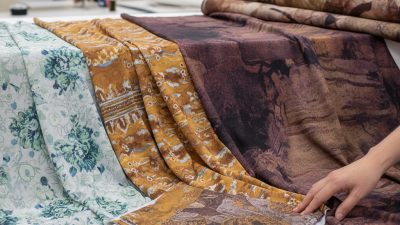
Top Fabric Textile Trends for Global Buyers in 2026?
As we approach 2026, the Fabric Textile industry is witnessing significant changes. Global buyers are keenly observing trends that shape the market. According to a recent report by Market Research Future, the global fabric textile market is projected to reach USD 1 trillion by 2026, driven by innovations and sustainability.
Expert Dr. Sarah Thompson, a leading figure in textile technology, stated, “The future of fabric textile lies in integrating sustainability with high performance.” This statement underscores the increasing demand for eco-friendly materials. Buyers are increasingly prioritizing sustainability and performance in their sourcing choices. The rise of digital technologies also plays a crucial role in transforming production and distribution processes.
However, challenges remain. Many suppliers struggle to adapt to rapid changes. Keeping up with consumer preferences can be daunting. Global stakeholders must reflect on these challenges while navigating the evolving landscape. The future is bright, yet it requires collective effort and adaptation. This balance between innovation and sustainability will define the fabric textile trends leading into 2026.
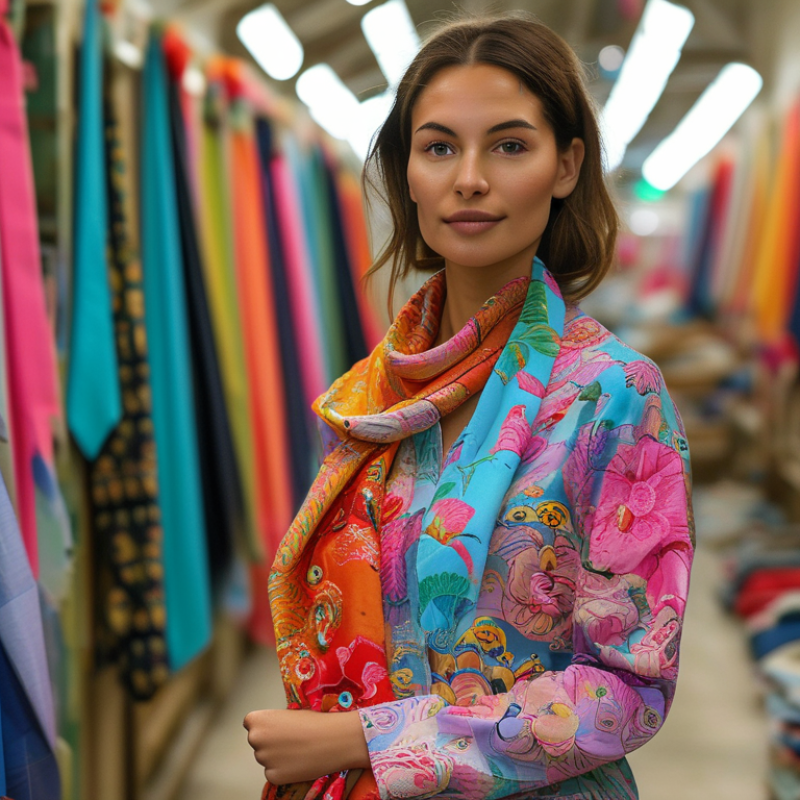
Emerging Sustainable Fabrics Shaping the 2026 Textile Market
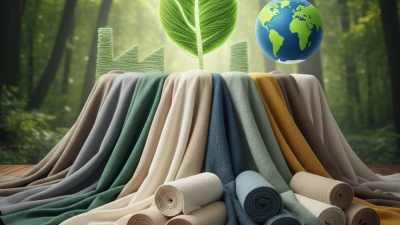
The textile industry is undergoing a significant transformation, especially in the realm of sustainability. In 2026, emerging sustainable fabrics will take center stage. These fabrics are made from organic materials, recycled fibers, and innovative technologies. This shift is driven by consumer demand for eco-friendly products, pushing brands to adopt greener practices.
Designers are increasingly experimenting with bio-based textiles. These include fabrics derived from algae and mushrooms. Such materials minimize environmental impact while maintaining functionality. As production methods advance, new options will emerge. However, sourcing sustainable materials can be challenging. The market is still developing, and not every option is accessible yet.
Tips: Always check the source of your materials. Transparency is key to sustainability. Look for certifications that guarantee ethical practices in production. Engage with suppliers who prioritize eco-friendly initiatives. Staying informed about innovations in sustainable fabrics can enhance your offerings.
The path to adopting sustainable textiles isn't without obstacles. Availability can be an issue, and quality varies widely. Establishing relationships with reliable suppliers is essential. The journey encourages reflection on how individual choices impact the planet. Exploring sustainable fabrics today can lead to a more responsible fashion industry in the future.
Innovative Technologies Transforming Fabric Production in 2026
Innovative technologies are reshaping fabric production in 2026. Among these advancements, automation and AI are crucial. Automation reduces labor costs and improves consistency. AI helps predict trends and consumer preferences. These tools enable manufacturers to produce high-quality textiles efficiently.
Sustainability is also a focal point. Many manufacturers are adopting eco-friendly materials and methods. For instance, recycled fibers are gaining popularity. Some brands are also exploring biodegradable fabrics. This shift reflects a growing consumer demand for sustainable products.
Tips: When sourcing fabrics, consider the environmental impact. Ask suppliers about their sustainability practices. This can guide your purchasing decisions. Additionally, explore new technologies like digital fabric printing. It allows for unique designs that traditional methods can't achieve. Embracing these innovations can enhance your product offerings and keep you competitive.
Key Color Trends Influencing Textile Design for Global Buyers
As the textile industry prepares for 2026, color trends are emerging as powerful influencers in design. A report from the Global Color Research Institute indicates that consumers are increasingly drawn to sustainable and earth-inspired palettes. Shades like terracotta, deep greens, and muted blues are becoming essential in fabric development. These colors resonate well with contemporary tastes and reflect a growing awareness of environmental concerns.
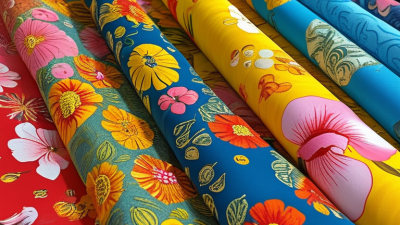
Furthermore, the rise of digital platforms has paved the way for vibrant, unconventional color combinations. According to a survey by the Textile Forecast Association, about 65% of designers are experimenting with neon and other bold hues. These findings suggest a shift towards playful and dynamic designs, appealing to younger demographics. However, this trend poses challenges for brands aiming to maintain a cohesive identity.
While embracing these vibrant trends, it is essential to consider market implications. The balance between innovation and timeless aesthetics is delicate. Many designers struggle with incorporating new colors effectively into traditional fabric types. This area is ripe for reflection and exploration, highlighting the need for ongoing education in color theory and application. Understanding the psychological impact of color is crucial for designers looking to stay ahead in a competitive market.
Consumer Preferences Driving Fabric Selection Trends in 2026
In 2026, consumer preferences play a vital role in shaping fabric selection trends. Buyers are looking for sustainable solutions and innovative designs. Biodegradable materials are gaining popularity, as eco-conscious consumers demand textiles that minimize environmental impact. Natural fibers are often favored over synthetic options, enhancing comfort and appeal.
Another emerging trend is the demand for multi-functional fabrics. Consumers want versatility in their apparel and home textiles. Fabrics that resist stains or repel water are increasingly popular. However, achieving a balance between function and comfort can be challenging. Some products may sacrifice softness for durability, leading to dissatisfaction.
Moreover, aesthetic choices are shifting. Bold colors and unique textures are captivating buyers in 2026. Consumers appreciate vibrant hues as expressions of individuality. Yet, the clash between bold designs and mass production raises concerns. It remains crucial for manufacturers to innovate while maintaining quality and authenticity.
Impact of Global Events on Fabric Innovation and Market Trends
The fabric and textile industry is undergoing a significant transformation, driven by various global events. Economic fluctuations, climate change, and shifting consumer preferences are reshaping market trends. According to a recent report by the Textile Exchange, the demand for sustainable fabrics rose by 30% in 2023, highlighting a growing awareness among consumers. This emphasis on eco-friendly materials reflects a larger movement towards sustainability in global markets.
COVID-19 has also accelerated the need for innovation in textiles. The pandemic highlighted the fragility of supply chains, resulting in a shift towards local sourcing. A study by McKinsey & Company revealed that 65% of textile buyers now prioritize suppliers with a focus on sustainable practices. Additionally, the rise of smart textiles is changing the landscape. These fabrics can adapt to conditions, such as temperature and moisture, offering enhanced functionality.
However, challenges remain in the industry. Many manufacturers struggle with the high costs of producing innovative fabrics. Additionally, ensuring widespread adoption of sustainable practices is complex. A report by the World Economic Forum suggests that 70% of textile companies are still reliant on traditional, less sustainable materials. As the industry strives for progress, it must balance innovation with affordability and accessibility for all buyers.
Top Fabric Textile Trends for Global Buyers in 2026
| Trend |
Description |
Impact of Global Events |
Sustainability Focus |
Future Outlook |
| Biodegradable Fabrics |
Fabrics made from natural materials that decompose. |
Increased climate awareness leading to innovation in biodegradable textiles. |
High emphasis on reducing landfill waste. |
Expected to gain wider adoption among consumers. |
| Smart Textiles |
Fabrics integrated with technology for performance enhancements. |
Technological advancements post-pandemic increase demand for smart solutions. |
Potential for reducing environmental impacts through enhanced functionality. |
Projected to transform consumer textiles into high-performance gear. |
| Recycled Materials |
Fabrics developed from recycled plastics and textiles. |
Global initiatives promoting recycling lead to increased production. |
Strong emphasis on circular economy principles. |
Growth expected as consumers prefer sustainable options. |
| Natural Dye Fabrics |
Fabrics dyed using naturally sourced pigments. |
Increasing awareness of chemical pollution drives demand for natural dyes. |
Lower environmental impact compared to synthetic dyes. |
Expected to become mainstream as consumers seek eco-friendly options. |
| 3D Knit Fabrics |
Fabrics created using 3D knitting technology for minimized waste. |
Manufacturing disruptions spur growth in automated, waste-reducing methods. |
Focus on reducing material waste in production processes. |
Set to reshape the apparel industry through efficiency and customization. |