2026 How to Source Polyester Woven Fabrics Effectively?
In the textiles industry, sourcing quality materials is crucial. Polyester woven fabrics have gained notable traction. The global market for polyester fabrics is projected to reach $70 billion by 2026, highlighting their increasing significance. Manufacturers are recognizing the durability and versatility of these textiles. However, sourcing polyester woven efficiently remains challenging for many.
Choosing the right suppliers is essential. Quality and reliability play key roles in this process. The importance of sustainable practices cannot be overstated. According to a report by Allied Market Research, sustainable fabrics are expected to see a 30% increase in demand over the next few years. Integrating these practices when sourcing polyester woven fabrics can enhance brand reputation and consumer trust.
Quality control and supplier audits are often overlooked. Many buyers may assume that all suppliers meet industry standards, but this is not always the case. Critical reviews and feedback from past clients can provide valuable insights. Additionally, understanding the latest trends in weaving techniques can inform better sourcing decisions. Investing time in these areas can lead to better outcomes and long-term partnerships in the dynamic textile market.
Understanding Polyester Woven Fabrics: A Comprehensive Overview
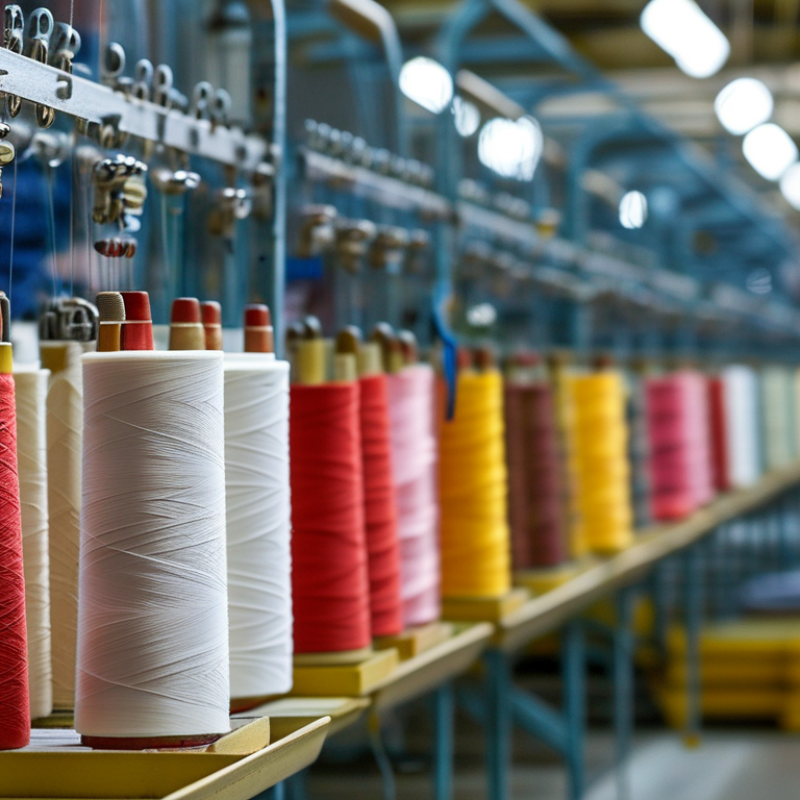
Polyester woven fabrics are ubiquitous in the textile industry. Understanding their makeup and properties is crucial for effective sourcing. These fabrics are made from synthetic fibers, which are known for their durability and resistance to chemicals. Polyester is lightweight and dries quickly, making it a popular choice for various applications, from clothing to upholstery.
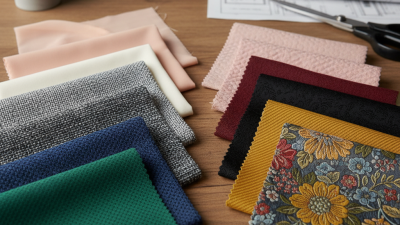
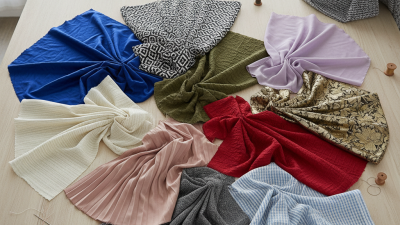
When sourcing polyester woven fabrics, it’s essential to consider the weave type. Common weaves include plain, twill, and satin, each offering different textures and strengths. For instance, twill weaves provide a more robust finish, while satin offers a glossy surface. This diversity can cater to specific design needs but might complicate sourcing. Carefully examining the fabric’s weight is equally important. Heavier fabrics can offer more durability but may not be suitable for lightweight garments.
It's also essential to be aware of sourcing challenges. Limited availability may arise due to market fluctuations or environmental regulations. Communication with suppliers can sometimes be unclear, resulting in mismatches between expectations and delivered products. Engaging with a variety of suppliers could help mitigate these risks, but it requires patience and diligence. Understanding the nuances of polyester woven fabrics will empower buyers to make informed decisions, ultimately enhancing their design and production processes.
2026 How to Source Polyester Woven Fabrics Effectively?
| Fabric Type |
Weight (g/m²) |
Width (cm) |
Uses |
Price Range ($/m) |
| Polyester Twill |
220 |
150 |
Apparel, Home Textiles |
3.00 - 5.00 |
| Polyester Satin |
150 |
120 |
Evening Wear, Lining |
4.50 - 7.00 |
| Polyester Chiffon |
100 |
140 |
Dresses, Scarves |
2.00 - 4.00 |
| Polyester Jersey |
180 |
150 |
Activewear, T-Shirts |
3.00 - 6.00 |
| Polyester Canvas |
300 |
160 |
Bags, Outdoor Gear |
5.00 - 8.00 |
Identifying Reliable Sources for Polyester Woven Fabric Supplies
Finding reliable sources for polyester woven fabric supplies requires a thoughtful approach. Start by researching local and international suppliers. Look for businesses that specialize in fabric production. Check their history and reputation in the industry. A well-established supplier often indicates reliability and quality.
Engaging with trade shows and textile exhibitions is beneficial. These events provide opportunities to meet suppliers face-to-face. Building relationships can lead to better deals and an understanding of their production processes. Don't shy away from asking about their raw material sourcing. Transparency in their operations reflects commitment to quality.
Consider reaching out to existing clients of your potential suppliers to gather insights. Feedback from these clients is invaluable. They can share their experiences regarding quality, deadlines, and customer service. However, be prepared for mixed reviews. Effective sourcing takes time, and sometimes you might not find perfect matches. Reflecting on your experiences and adjusting your selection criteria can lead to better sourcing outcomes in the future.
Evaluating Quality Standards in Polyester Woven Fabrics
When evaluating polyester woven fabrics, quality standards are crucial. High-quality fabrics often exhibit consistent weaving patterns and even texture. Look for even thread tension across the width. Any irregularities can signal potential durability issues. Fabrics should also withstand wear and maintain their form over time.
Another critical aspect is colorfastness. Fabrics must resist fading after washing and exposure to sunlight. Conducting a simple test with water can help assess this. Additionally, certification from recognized textile standards can enhance trust in fabric quality. While many sellers claim high standards, verifying this information can be challenging.
It's essential to pay attention to the weight and drape of the fabric. Heavier fabrics may offer more durability but can be less versatile. Meanwhile, lighter options may drape well but may lack longevity. Finding the right balance based on your needs is vital. Overall quality assessment requires keen observation and sometimes, a bit of experimentation.
Comparative Analysis of Polyester Woven Fabric Suppliers
When sourcing polyester woven fabrics, understanding the landscape of suppliers is crucial. Various suppliers offer unique advantages. Some excel in pricing, while others focus on quality or innovative designs. Evaluating their production capacity is essential for meeting deadlines. Keep in mind that cheaper options may compromise fabric durability. Consider the trade-offs carefully.
In a comparative analysis, transparency stands out. Reliable suppliers provide clear information about their sourcing practices. They share details on sustainability initiatives and manufacturing processes. This fosters trust and aligns with eco-conscious values. Conversely, some suppliers may lack this openness. Without transparency, you might face risks regarding quality and ethics.
Engaging directly with suppliers can yield valuable insights. Ask for samples to assess fabric quality. Communicating your specific needs can help suppliers offer tailored solutions. Sometimes, their responses can reveal areas needing improvement. Always reflect on the feedback you receive. It can guide you in making informed decisions.
Effective Negotiation Strategies with Fabric Manufacturers
Negotiating with fabric manufacturers is crucial for sourcing polyester woven fabrics effectively. It requires skill and strategy. First, understanding the market is essential. Research various manufacturers and their capabilities. Familiarize yourself with the strengths and weaknesses of their fabrics. This knowledge enhances your negotiation power.
Build strong relationships with suppliers. Trust plays a vital role in successful negotiations. Regular communication and transparency help foster this trust. Consider making site visits. Meeting manufacturers in person allows you to gauge their production quality and reliability. It also opens dialogue for better terms.
When discussing pricing, be clear about your budget. Present realistic offers while allowing for some flexibility. Manufacturers may resist at first, but developing a win-win scenario often achieves better results. Timing also matters. Negotiating during off-peak seasons can lead to more favorable terms. Reflecting on past negotiations helps too. Identify what worked or didn’t. Adjust your approach accordingly for future discussions.