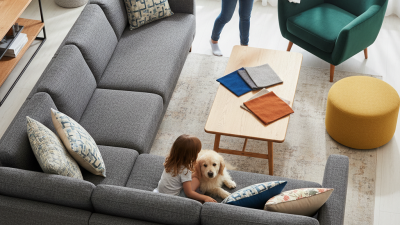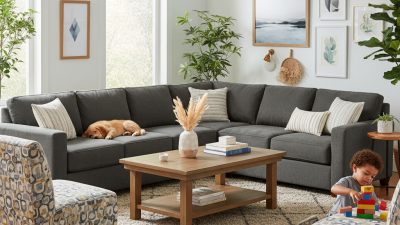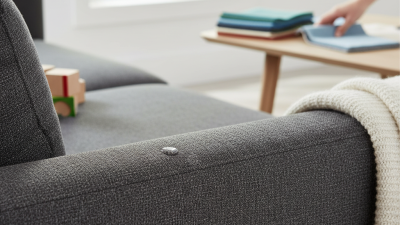
Choosing the right Polyester Furniture Fabric is rarely a simple color decision. A fabric may look elegant under showroom lights, yet show pilling after months of daily use. It may feel soft, but resist cleaning poorly. Small details matter.
Debbie McKeegan, a respected textile designer and digital-fabric specialist, offers a practical principle: “A fabric must be fit for purpose.” That idea guides this article. A dining chair, hotel sofa, and family room sectional face very different demands. Their fabrics should not be judged by appearance alone.
These seven tips examine the choices behind dependable upholstery. They cover fiber quality, weave construction, abrasion resistance, stain care, colorfastness, comfort, and responsible sourcing. They also encourage readers to request test data instead of trusting vague promises. Look closely. Ask better questions.
The strongest Polyester Furniture Fabric is not always the thickest or most expensive option. Weight can mislead. A dense, balanced weave may perform better than a heavy fabric with weak construction. Cleaning instructions also deserve attention, because an attractive textile can become difficult to maintain.
There is room for honest uncertainty. No fabric succeeds in every setting. A material that works beautifully in a quiet bedroom may fail in a busy café. Samples can misrepresent real conditions, especially when lighting and use change. Testing at home or in the intended space is wiser.
Use these tips as a practical starting point. Compare specifications, touch the fabric, inspect the reverse side, and consider how people will actually use the furniture. Good selection is careful, not perfect.
7 Tips for Choosing Polyester Furniture Fabric
Define Polyester Fabric Types and Intended Furniture Use
Polyester upholstery is not one uniform material. Its performance depends on fiber structure, weave, weight, and finishing. Woven polyester usually offers firm support and clear surface texture. It suits sofas, dining chairs, and reading benches. Microfiber polyester feels softer and resists small spills because its dense fibers leave fewer open gaps. It works well on family seating and frequently used armchairs.
Polyester blends combine polyester with cotton, linen, or rayon. These fabrics may feel more natural, but their cleaning needs can change. Check the fiber percentage before choosing furniture for children or pets. Solution-dyed polyester keeps color more reliably because the color enters the fiber during production. It can be suitable for sunlit rooms or covered outdoor furniture. However, fading still depends on exposure, heat, and fabric quality.
Match the fabric to the furniture’s daily job. A decorative accent chair can use a delicate texture, while a busy sofa needs tight weaving and strong abrasion resistance. Rub the surface gently. Watch for loose loops, uneven dye, or rough backing. Ask for cleaning instructions and a sample before ordering. Small details matter.
A pale fabric may show every mark. Dark fabric can reveal lint. I have found that attractive showroom lighting hides these problems. That is worth questioning. Fabric tests help, but real homes are less controlled. Check seam strength, cushion friction, and sunlight near the intended furniture location. Choose practical comfort over appearance alone.
Define the polyester fabric type first, then match it with the furniture’s intended use. The chart compares common polyester constructions on a 1–5 suitability scale.
The scores are comparative guidance based on typical characteristics such as abrasion resistance, cleanability, moisture handling, texture, and color durability. Actual performance depends on fabric construction, finish, backing, care, and test results.
7 Tips for Choosing Polyester Furniture Fabric
When choosing polyester furniture fabric, test durability before admiring its color. Check the fiber blend, because pure polyester and blended cloth can perform differently. Ask for the abrasion rating, measured by double-rub testing. Higher numbers usually suggest better resistance to daily friction, but ratings are not guarantees. A busy sofa needs stronger protection than an occasional reading chair. Examine the weave closely. Tight, even threads resist snagging better than loose, decorative patterns. Rub the sample with a clean sleeve and inspect it under bright light. Small changes matter.
Consider fabric weight, usually listed in ounces per square yard or grams per square meter. Heavier fabric often feels denser, but weight alone cannot prove quality. A lightweight, tightly woven sample may outlast a heavy, poorly constructed one. Bend the fabric and look for rapid thinning, stretched seams, or visible backing. Check colorfastness by pressing a damp white cloth against an unseen area. Polyester usually holds color well, yet intense sunlight can still cause fading.
Think about real use. Pets, children, and frequent guests create different abrasion patterns. I once chose a beautiful medium-weight fabric that showed armrest wear sooner than expected. The laboratory rating looked reassuring. Home life was less predictable. Ask about cleaning instructions, finish durability, and repair options before ordering. Request a larger sample if possible. Small swatches can hide texture changes and weak edges. Test twice. Confidence should follow evidence, not just appearance.
7 Tips for Choosing Polyester Furniture Fabric
Choosing polyester furniture fabric starts with the messes your room actually sees. A dining chair needs different protection than a rarely used reading seat. Ask for a fabric sample. Spill water, coffee, and a little cooking oil on it. Watch whether liquid beads or spreads into the weave. Stain resistance is helpful, but it is not the same as stain proof. Some finishes weaken after repeated washing or harsh scrubbing.
Cleaning needs deserve equal attention. Check the care label before buying. A fabric requiring professional cleaning may frustrate a busy household. For many polyester covers, quick blotting works better than rubbing. Use a clean white cloth and mild soapy water, unless the manufacturer advises otherwise. I once rubbed a fresh mark too hard and pushed it deeper. That small mistake remained visible under daylight. Test any cleaner on a hidden corner first.
Colorfastness matters near windows and bright lamps. Place a sample in the intended room for several days. Compare the covered and exposed areas afterward. Dark colors can show fading, while pale colors may hide it better. Still, neither choice guarantees lasting color. Ask about wet and dry rubbing performance, especially for sofas with frequent contact. A sturdy-looking fabric can disappoint when its dye transfers onto light clothing. Check the weave, finish, and maintenance instructions together.
| Tip | What to Check | Practical Reference | Cleaning Guidance | Colorfastness Check | Why It Matters |
|---|---|---|---|---|---|
| 1. Confirm the fiber content | Read the fiber label and check whether the upholstery is 100% polyester or a polyester blend. | Polyester is generally abrasion-resistant, dimensionally stable, and less absorbent than many natural fibers, but performance still depends on the weave, finish, and backing. | Follow the fabric supplier's care label rather than assuming all polyester can be machine-washed or steam-cleaned. | Ask for test information for the finished fabric, because fiber content alone does not guarantee resistance to fading or dye transfer. | Two polyester fabrics can perform very differently when their construction and finishes are different. |
| 2. Evaluate stain resistance | Look for a documented stain-resistant finish and ask how common spills such as water, coffee, oil, and ink are handled. | A stain-resistant finish can improve cleanability, but it does not make the fabric stain-proof. Results vary by spill type, contact time, pressure, and temperature. | Blot spills promptly with a clean, absorbent cloth. Avoid rubbing, which can spread the stain and damage the surface. | Request a stain or soil-release test report when frequent spills are expected in dining or family areas. | Fast response usually improves the chance of removing a stain before it bonds with the fibers or backing. |
| 3. Check the cleaning code | Identify the upholstery cleaning code: W for water-based products, S for solvent-based products, W/S for either method, or X for vacuuming or professional cleaning only. | Cleaning codes describe the manufacturer's recommended method; they are not a guarantee that every stain will be removed. | Use only the method listed on the care label, test any cleaner on a hidden area, and prevent over-wetting the cushion or foam. | Test cleaning in an inconspicuous area first to check for color change, rings, texture change, or dye transfer. | The correct cleaning method protects the fabric surface and the materials underneath it. |
| 4. Consider daily-use durability | Ask for the abrasion result and test method used for the upholstery fabric. | Martindale and Wyzenbeek results are measured with different procedures and should not be directly converted. Use the supplier's intended-use category and test method for comparison. | Regular vacuuming with an upholstery attachment can reduce the buildup of grit that contributes to surface wear. | Inspect high-contact areas after cleaning for nap distortion, shade change, or visible wear. | Abrasion resistance is especially important for sofas, dining chairs, waiting areas, and homes with pets. |
| 5. Verify colorfastness to rubbing | Check whether the fabric has been tested for wet and dry crocking, which measures color transfer caused by rubbing. | AATCC 8 or ISO 105-X12 are commonly used crocking test methods. Ask for the grade and whether it applies to dry, wet, or both conditions. | Avoid aggressive rubbing during spot cleaning, particularly when the fabric is damp. | Use a white cloth to check for dye transfer in a hidden area before applying moisture or cleaner. | Good crocking performance helps reduce transfer onto light clothing, cushions, and adjacent materials. |
| 6. Test resistance to light fading | Ask for lightfastness results and identify whether the furniture will be placed near direct sunlight or strong indoor lighting. | AATCC 16.3 and ISO 105-B02 are widely used lightfastness methods. Test grades depend on the scale and procedure, so compare like-for-like reports. | Keep furniture away from prolonged direct sun where possible, and use curtains, blinds, or UV-filtering window treatments. | Dark, bright, and highly saturated colors may show fading more visibly than some neutral shades, although actual performance depends on the dye and fabric construction. | Light exposure can gradually change the appearance even when the fabric is cleaned correctly. |
| 7. Request a sample and care documentation | Obtain a physical swatch, care label, cleaning instructions, durability information, and any available colorfastness reports before ordering. | Compare the sample under the room's actual lighting and review the fabric's intended-use classification instead of relying only on photographs or marketing terms. | Perform a small, controlled spot test on the sample using the proposed cleaning method, then allow it to dry fully before judging the result. | Check the sample for shade variation, dye transfer, texture change, and visible fading after the spot test. | A sample-based check reveals practical issues that technical specifications and online images may not show. |
Note: Upholstery performance depends on fabric construction, finishing, use conditions, and maintenance. Always follow the specific care instructions supplied with the fabric.
7 Tips for Choosing Polyester Furniture Fabric
1. Touch the surface in daylight. A tight weave feels crisp, while a brushed finish feels warmer but may show flattened areas. Texture changes comfort more than photographs suggest.
2. Check appearance from different angles. Matte polyester hides fingerprints better than glossy cloth. Light colors can make a room feel larger, yet they reveal spills quickly.
3. Sit for ten minutes. Short showroom tests miss heat buildup. Polyester usually dries quickly, but dense cushions can still feel warm during humid weather.
4. Match the fabric to sunlight. Strong ultraviolet exposure may fade color, especially near uncovered windows. Ask for lightfastness results, and consider lining or adjustable shades.
5. Inspect abrasion data. Do not select fabric by touch alone. Request the test method, result, and intended-use category. A high number is useful, but construction and maintenance still matter.
6. Consider household conditions. Pets, children, dust, and frequent cleaning favor tightly woven surfaces. Textured loops can feel inviting, but claws may catch them. I once underestimated this detail.
7. Question the environmental footprint. Textile Exchange’s Materials Market Report 2024 reported polyester at about 57% of global fiber production in 2023. That scale makes material efficiency important, but recycled content is not automatically a complete solution. Ask about recycled input, durability, chemical finishes, and end-of-life options.
The fabric should suit the room, not only the sample card. Compare texture, visual depth, seating temperature, cleaning instructions, and window exposure together. My judgment can still be imperfect; a fabric that looks practical may feel disappointing after daily use. Availability and local climate can change the better choice.
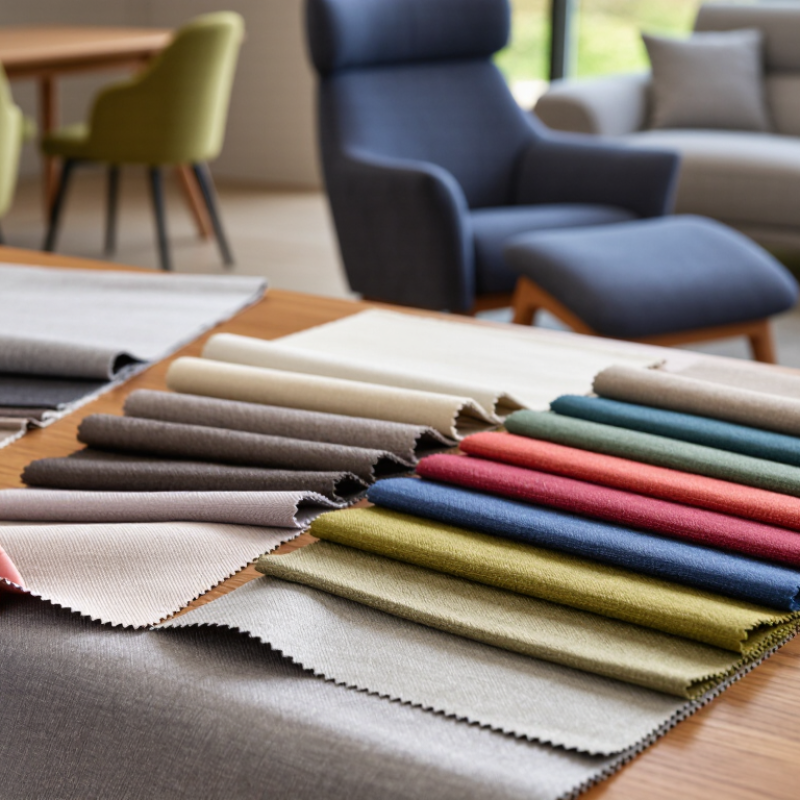
Polyester remains common in upholstery for practical reasons. Textile Exchange’s 2023 Materials Market Report found that polyester represented about 54% of global fiber production in 2022. That scale supports broad availability, but it does not guarantee quality. Request a physical swatch before ordering. Rub it, bend it, and view it beside your room’s daylight. Online images often hide sheen, loose weaving, and color shifts.
Ask for abrasion results and the exact test method. ASTM D4966 measures textile abrasion resistance, but its result needs context. Higher cycles may suggest better durability, yet real furniture also faces seams, pets, sunlight, and body oils. Touch the fabric after testing, if possible. It should not feel brittle or overly slippery. I once trusted a specification sheet too quickly. The sample looked excellent, but its maintenance instructions were surprisingly restrictive.
Confirm the complete cost, including shipping, treatment, installation, and replacement cushions. Then request the warranty in writing. Check coverage length, exclusions, color fading rules, and whether labor is included. Maintenance details matter just as much. The International Association of Bedding and Furniture’s cleaning guidance emphasizes following manufacturer instructions and testing cleaning products on hidden areas. Ask whether water-based cleaning, vacuuming, or professional treatment is permitted. Keep every document. Small details become expensive later.