Choosing the best Floral Polyester Fabric supplier in China takes more than comparing prices or attractive swatches. A vivid rose print may look crisp under showroom lights, yet lose definition after repeated washing. Buyers should examine print consistency, fabric weight, colorfastness, minimum order quantities, lead times, and sample-to-bulk matching. Small details matter.
Textile Exchange’s Materials Market Report 2024 estimates that global fiber production reached 124 million tonnes in 2023, with polyester representing about 57% of the total. This figure describes the wider fiber market, not floral fabric alone. Still, it shows why polyester sourcing deserves careful scrutiny. A large market does not guarantee dependable quality. Ask for current test reports, production samples, and clear specifications before placing an order. Verify claims.
Sustainability also deserves a practical, measured look. Fashion Revolution co-founder Orsola de Castro has said, “The most sustainable garment is the one already in your wardrobe.” Her point concerns keeping clothing in use, rather than endorsing any single fiber. For floral polyester, that means considering durability, useful design, and realistic production quantities—not just a “green” label. There are trade-offs. This guide compares Chinese suppliers through evidence buyers can check: product range, manufacturing capability, quality controls, communication, and export experience. No supplier is best for every brief. The right partner should match your print, hand-feel, budget, and delivery needs, then support those promises with consistent results. It is worth questioning polished claims; some details only become clear after sampling.
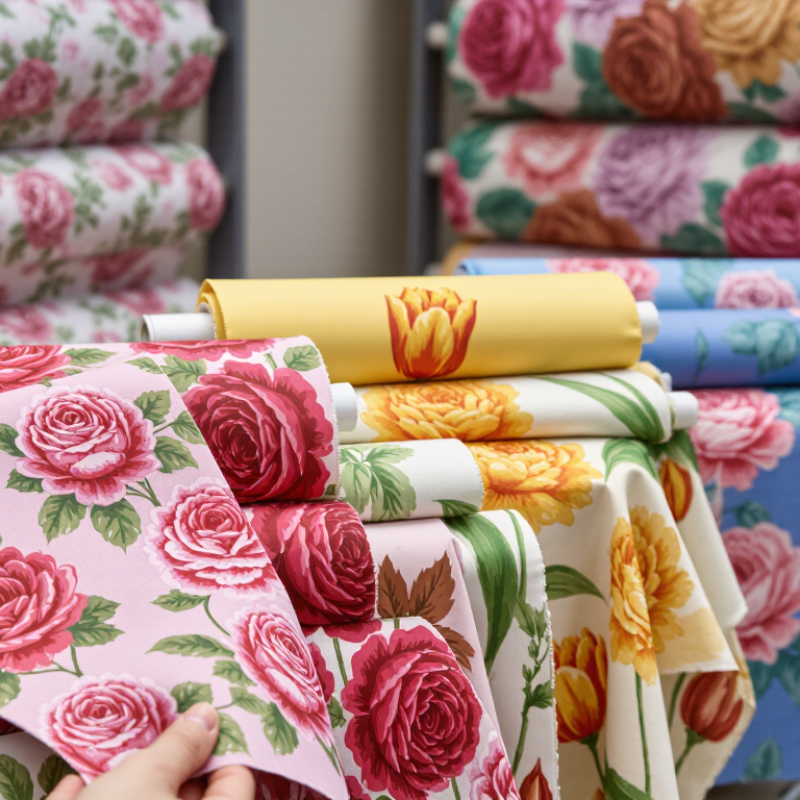
Floral polyester fabric is a woven or knitted polyester textile decorated with flower patterns. The design may be printed onto the surface or woven into the cloth, so texture and color depth can vary. A smooth, lightweight version often suits blouses and scarves, while a denser weave may work better for curtains or cushion covers. Check the fabric in daylight. Some prints look brighter under indoor lights.
Polyester generally dries quickly and resists creasing, which makes it practical for garments worn often. It can also hold vivid floral colors, though results depend on the dyeing and finishing process. Lightweight cloth may feel airy, but it can cling in humid weather. Not every floral polyester feels soft against the skin. A sample is useful before choosing fabric for a full garment or room project.
Common uses include dresses, linings, tablecloths, decorative panels, and bedding accents. For clothing, consider the fabric’s weight, drape, and opacity; a pale print may need a lining. For home textiles, check colorfastness and wash-care guidance, especially if the item will receive frequent sunlight or laundering. When sourcing from a supplier in China, ask for a swatch and confirm the width, composition, and print method. Small differences matter. A sample can still differ slightly from bulk production, so confirm approved details in writing.
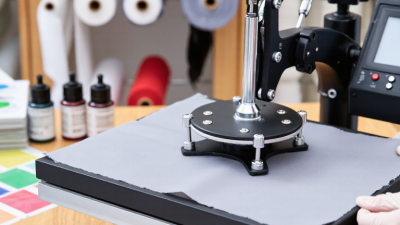
Floral polyester fabric starts with decisions about motif scale, repeat size, and color. A tiny daisy repeat suits blouses, while oversized leaves need room across wider panels. Designers usually build a digital pattern, then check how flowers meet at seams. A pleasing screen image is only a draft.
Material choices reflect a large market. Textile Exchange’s Materials Market Report 2024 estimates global fiber production at 124 million metric tonnes in 2023, with polyester representing 57%. Its 2023 report recorded 116 million tonnes in 2022 and a 54% polyester share. These figures describe all fiber markets, not floral fabric alone. They help explain why polyester is a common base for printed designs.
Production typically moves from yarn formation to weaving or knitting, followed by fabric preparation and printing. Depending on the construction, manufacturers may use disperse dyes and heat to fix color into polyester. They then inspect shade consistency, print alignment, and defects such as streaks or pinholes. Small details matter. A digital preview cannot fully predict how fabric stretches or colors shift after finishing, so a physical strike-off should be checked under consistent lighting. This step can be underestimated; even a carefully balanced repeat may look crowded once sewn.
Who Is the Best Floral Polyester Fabric Supplier in China?
What Qualities Distinguish a Reliable Chinese Supplier?
A reliable supplier can explain the fabric, not just show attractive prints. Ask for the polyester composition, fabric weight, usable width, and finishing details. These specifications affect drape, opacity, and how the material handles during sewing. Clear answers matter.
Check a physical sample before approving bulk production. Look closely at flower edges, color consistency, and repeat alignment across the fabric. Ask how the supplier checks colorfastness and shrinkage, and request test results where available. A neat sample is useful, but it should match the production standard. No checklist removes every risk.
Communication is another practical measure. A capable supplier confirms order quantities, sampling fees, production timelines, and packaging details in writing. They should explain what happens if a batch differs from the approved sample. Ask for inspection photos or a documented quality-control process. Small delays can happen. Vague updates are harder to accept. It is tempting to choose the lowest quote, but unusually low pricing may leave important specifications unclear. Compare complete quotations, and keep the agreed fabric details on record before production begins.
When comparing Chinese floral polyester fabric suppliers, look beyond attractive swatches. Textile Exchange’s Materials Market Report 2024 estimates that polyester represented about 57% of global fiber production in 2023. That scale makes consistent specifications important, but the figure cannot verify an individual supplier’s quality. Ask for production records.
Request a sample in the intended fabric weight, width, and print repeat. Compare it with a production-lot sample, not just a showroom piece. Check whether fine petals stay sharp and background colors remain even across the fabric. Ask for test results covering washing, rubbing, and light colorfastness, and confirm which test methods were used. Small differences matter.
Compare minimum order quantities, lead times, defect policies, and how the supplier handles repeat orders. Ask for documentation supporting any recycled-content or fiber-origin claims. Then verify that documents match the quoted product. A low price may reflect a different specification, but it does not prove poor quality. The report offers market context, not a supplier ranking; practical samples and traceable records provide more useful evidence.
| Comparison Dimension | What to Compare | Evidence to Request | How to Evaluate the Offer |
|---|---|---|---|
| Fiber composition | Declared polyester content and whether the fabric is 100% polyester or a blend. | Product specification and, when required, a composition test report for the quoted fabric. | Confirm that the declaration matches the purchase specification and the test scope. |
| Fabric construction and weight | Weave or knit construction, fabric weight in g/m², and usable width. | Technical data sheet and a sample cut from the fabric offered for production. | Compare offers using the same construction, weight tolerance, and usable-width definition. |
| Floral print and color matching | Print method, repeat size, color range, print placement, and consistency with the approved artwork. | Strike-off or pre-production sample, artwork proof, and written color-approval process. | Judge the printed sample under agreed viewing conditions; do not rely on screen images alone. |
| Colorfastness | Performance against washing, rubbing, and other end-use requirements. | Test report identifying the method, specimen, result, and laboratory. Relevant methods can include ISO 105-C06 for washing and ISO 105-X12 for rubbing. | Compare results against the buyer’s stated requirements; test methods and acceptance limits should be agreed in advance. |
| Restricted-substance requirements | Whether the fabric must meet a buyer’s chemical, market, or product requirements. | Current test reports or certification documents whose product scope and validity can be checked. | Verify that evidence applies to the offered material and the relevant requirement; a certificate alone does not establish suitability for every order. |
| Sampling and approval | Availability of swatches, sample yardage, lab dips or print strike-offs, and sample charges. | Written sampling schedule, sample identification, and confirmation of how the approved sample will be used for production. | Prefer a documented approval process that links bulk production to the accepted sample and specifications. |
| Minimum order quantity | Minimum quantity for stock fabric, custom printing, and custom color or finish. | Quotation stating the MOQ for each requested option and any setup or sampling charges. | Compare like-for-like quantities and distinguish stock options from custom production. |
| Price and quotation terms | Price basis, currency, included processing, packaging, and delivery terms. | Itemized quotation with validity period, order quantity, specification, and stated delivery term. | Compare the total landed-cost components relevant to the order, not only the unit price. |
| Production lead time and capacity | Sample lead time, bulk production schedule, and ability to meet the required shipment window. | Order-specific schedule showing key approval, production, inspection, and dispatch milestones. | Use a written schedule for the exact order; lead times depend on material availability, quantity, and customization. |
| Quality control and traceability | Inspection process, defect handling, batch identification, and consistency between lots. | Written inspection criteria, batch or roll identification details, and a procedure for handling nonconforming goods. | Agree acceptance criteria before production and keep approved samples and specifications as reference records. |
| Export and order documentation | Ability to provide documents required for the destination market and transaction. | Proposed commercial invoice, packing list, and any other documents applicable to the shipment. | Confirm document requirements with the buyer’s logistics provider and destination-market rules before ordering. |
| Overall supplier selection | Fit between the supplier’s verified offer and the buyer’s fabric, quality, quantity, budget, and delivery needs. | Comparable written quotations, approved samples, relevant test evidence, and clear order terms. | There is no universal “best” supplier: select the offer that meets the documented requirements and can substantiate its claims. |
Choosing a floral polyester fabric supplier in China takes more than comparing quoted prices. Request a recent swatch and check the print closely under daylight and warm indoor light. Look for blurred outlines, uneven color, and repeating marks that may disappear in small photographs. Confirm the fabric’s composition, weight, usable width, and finish in writing. Details matter.
Ask for a production sample made with the same fabric base and printing process as the bulk order. Compare its color, hand feel, and pattern placement with your approved swatch. Request test reports for colorfastness and dimensional stability, then verify the report date, sample description, and testing scope with the issuing laboratory. A polished document alone proves little. If possible, arrange an independent inspection before shipment.
Tips: Keep one approved sample, signed and dated. Record the tolerances you can accept for color and width. Ask how the supplier handles defects, delays, and repeat orders. Check references from comparable buyers, and confirm lead times against your own production calendar. I have seen buyers focus on print quality and overlook packing details; that can be an expensive lesson. A clear, specific agreement reduces room for confusion.
A practical scorecard for verifying and choosing a supplier
Suggested buyer-evaluation weighting, totaling 100 points—not market survey data. Compare suppliers using the same floral polyester specifications, request samples and relevant test reports, and verify production quality, capacity, delivery terms, and documentation before placing an order.